Welcome to ExtruderX Extrusion Machine Manufacturing Facility

Wire & Cable Extruder
Wire & Cable Extruder Manufacturers
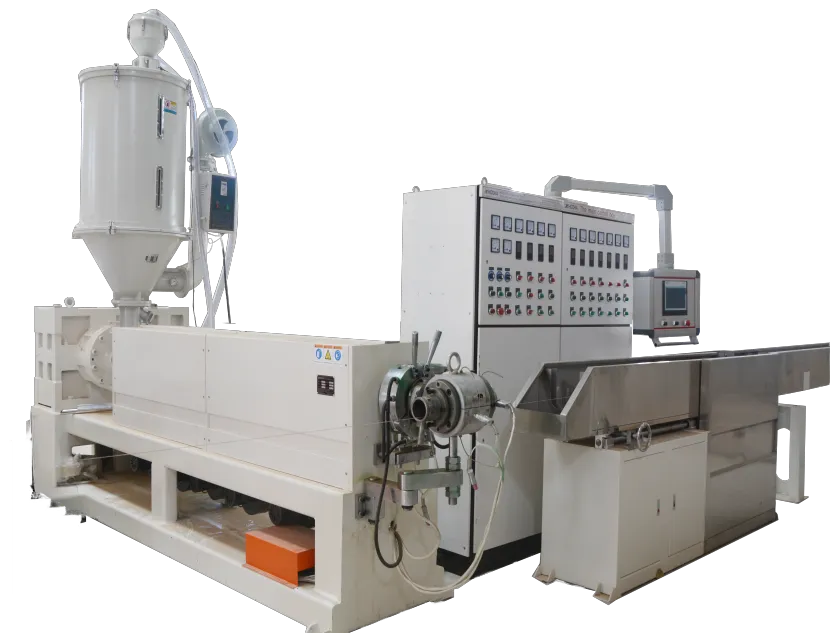
ExtruderX’s Wire & Cable Extruders are specialized for producing insulation layers and sheaths of wires/cables across power, communication, construction, and other sectors. They adapt to various conductor specifications (copper/aluminum) and material types (PVC, PE, XLPE), ensuring uniform coating, stable operation, and high-efficiency production. If you’re seeking a professional wire & cable extruder supplier with reliable equipment and tailored solutions, ExtruderX is your go-to choice.
99.8%
Equipment Operation Stability
99%
Insulation Layer Coating Uniformity
43%
Production Energy Efficiency Improvement
<2%
Material Loss Rate
ExtruderX Solve Your Production Challenges
The ExtruderX Wire & Cable Extruder features precision temperature control and stable screw feeding, delivering uniform conductor coating. It adapts to power, communication & other cable types, ensuring consistent insulation/sheathing thickness and reliable electrical performance.
Our Wire & Cable Extruder features ergonomic modular die head + tool-free quick-change, cutting cable diameter switching time by 40% and reducing downtime. It enables non-stop high-efficiency production with consistent quality, boosting throughput by 30-45% vs. traditional models—lowering operational costs.
With a dedicated screw configuration + customized temperature control curve, it adapts to various insulation/sheathing materials including PVC, XLPE & LSZH. It supports stable extrusion of special cables (halogen-free & cross-linked) with on-demand adjustable process parameters.
The ExtruderX Wire & Cable Extruder is equipped with an intelligent variable frequency drive + precise material dosage control system, which can save over 25% of energy consumption and increase material utilization rate by 6-8%. It reduces resource waste in cable production and lowers overall costs.
ExtruderX Wire & Cable Extruder Factory
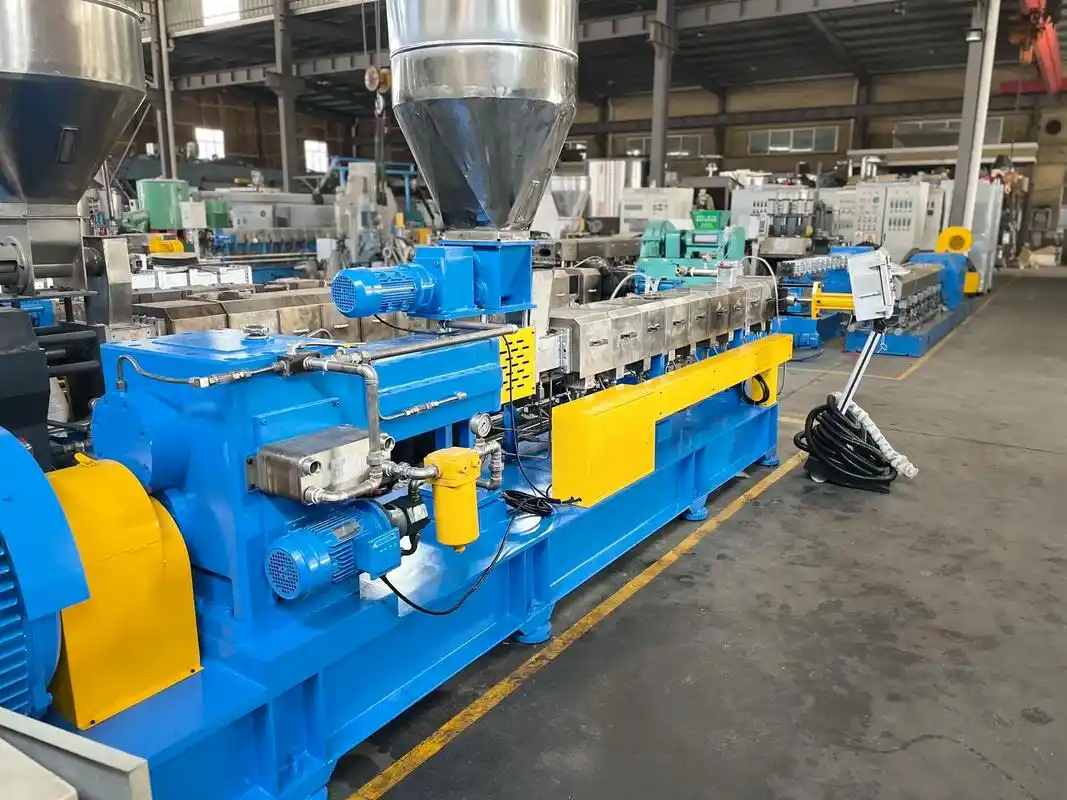
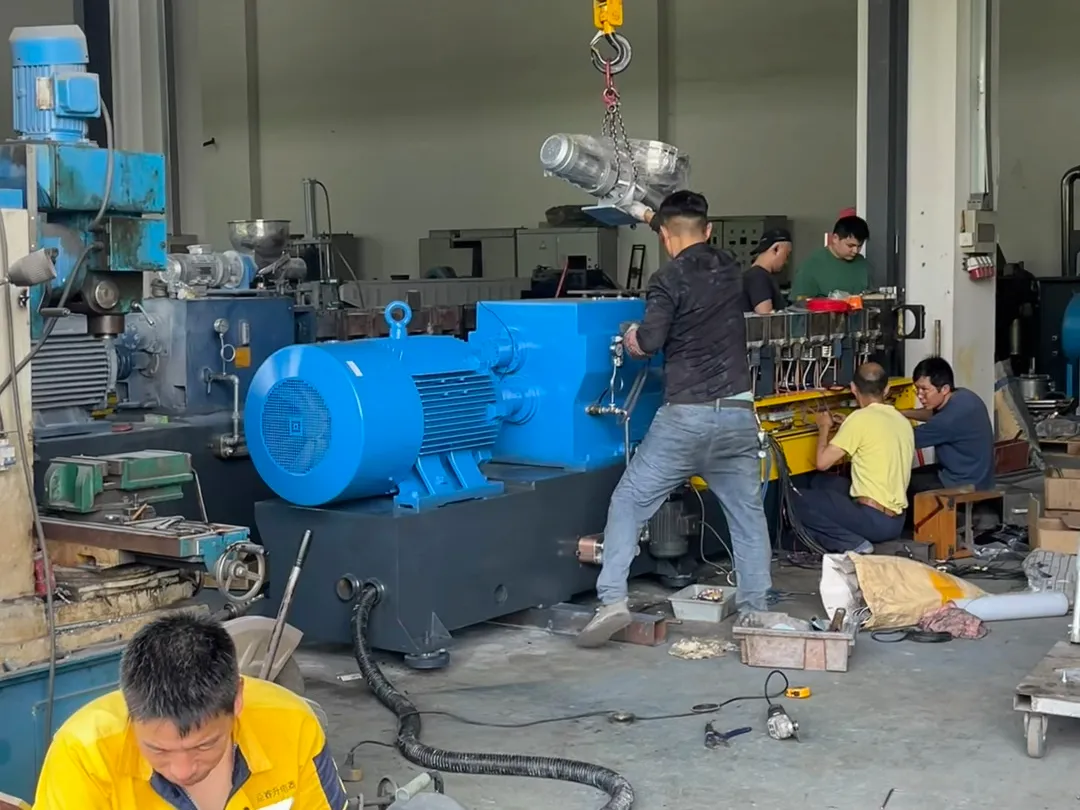
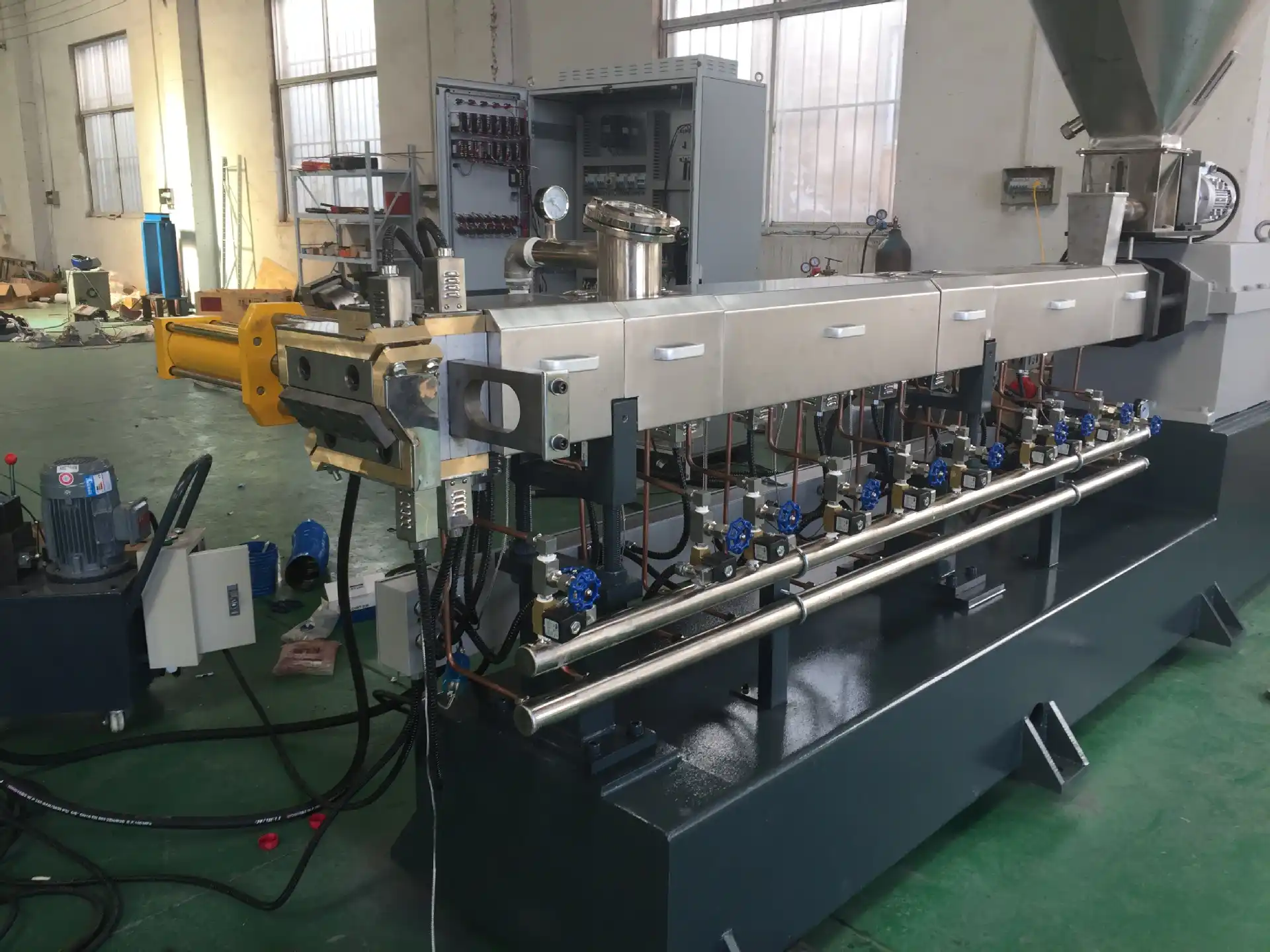
ExtruderX Wire & Cable Extruder series, with craftsmanship exceeding industry standards, ensures uniform conductor coating, consistent insulation/sheathing thickness control and stable cable electrical performance during extrusion.
Wire & Cable Extruder Pricing
Wire & Cable Extruders for Sale
ExtruderX Wire & Cable Extruders prioritize coating uniformity, thickness consistency, and material compatibility, with precise performance tailored to meet diverse process requirements in cable production.
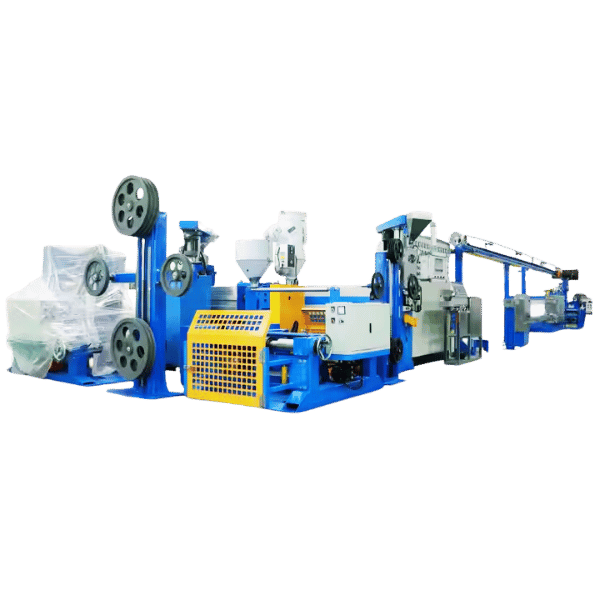
$15,000 to $150,000
PVC Cable Extruder
Purpose-built for PVC & other thermoplastic cable production, it enables high-speed, stable extrusion. Featuring precision temperature control and auto-cooling, it guarantees uniform conductor coating and consistent specs—ideal for insulation/sheathing of power, construction & other industrial cables.
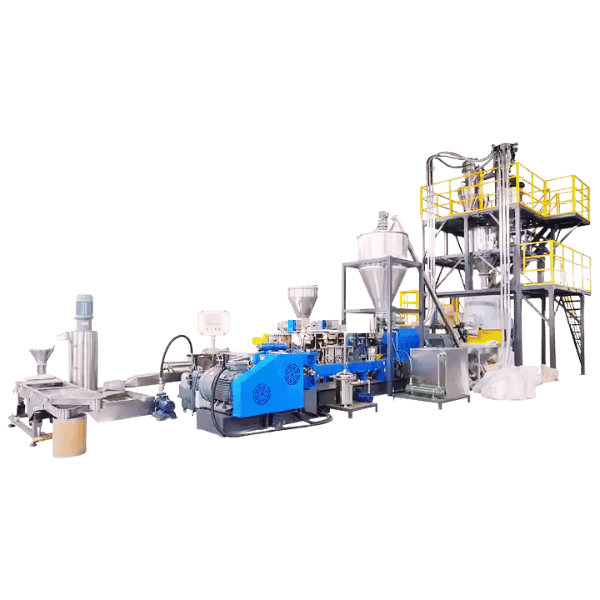
$15,000 to $120,000
XLPE Extruder
Tailored for XLPE cable production, it focuses on extrusion efficiency and performance stability. It achieves uniform plasticization of cross-linked polyethylene materials, ensuring reliable electrical performance of cable insulation layers, ideal for mass production of high-voltage power cables and other products.
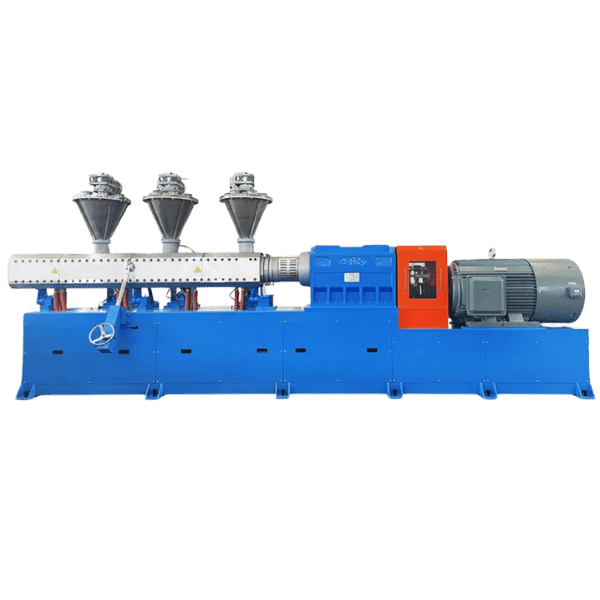
$20,000 to $100,000
HFFR Extruder
Designed for halogen-free flame-retardant (HFFR) cable materials, it boasts an optimized L/D screw & precision temperature control, enabling high-capacity, stable extrusion. Meeting low-smoke, eco-safety standards, it’s ideal for flame-retardant cable production in communication, rail transit & other industries.
What Type of Wire & Cable Extruder Do You Need?
Beyond the three Wire & Cable Extruder models above, we also offer multiple other configurations for your selection. If you’d like to learn more details, feel free to contact us for inquiries anytime.
Wire & Cable Extruder Product Specifications
ExtruderX delivers premium Wire & Cable Extruders, engineered to meet diverse cable production needs—from standard power and communication cables to specialty flame-retardant and high-voltage cables. Whether you require cable extrusion solutions compatible with materials like PVC, XLPE, or HFFR, or need to match the capacity requirements of small-to-medium batch production or large-scale manufacturing lines, you can find a solution that meets your specific needs through our offering.
Below are the detailed specifications for the Wire & Cable Extruder.
| Type | Screw diameter (mm) | Kneader | Output(kg/h) |
|---|---|---|---|
| EX-95 | 95 | 32 | 200-350 |
| EX-115 | 115 | 48-68 | 450-650 |
| EX-135 | 135 | 95 | 700-950 |
| EX-165 | 165 | 125 | 1000-1400 |
| EX-175 | 175 | 145 | 1600-2000 |
| EX-200 | 200 | 190 | 2100-2500 |
Flowchart of the Wire & Cable Extruder
This Wire & Cable Extruder flowchart outlines its continuous production process: conductor pay-off, material feeding, extrusion (plasticizing material to coat conductors), cooling/sizing, traction, in-line inspection, and finished take-up—ensuring stable cable specs.

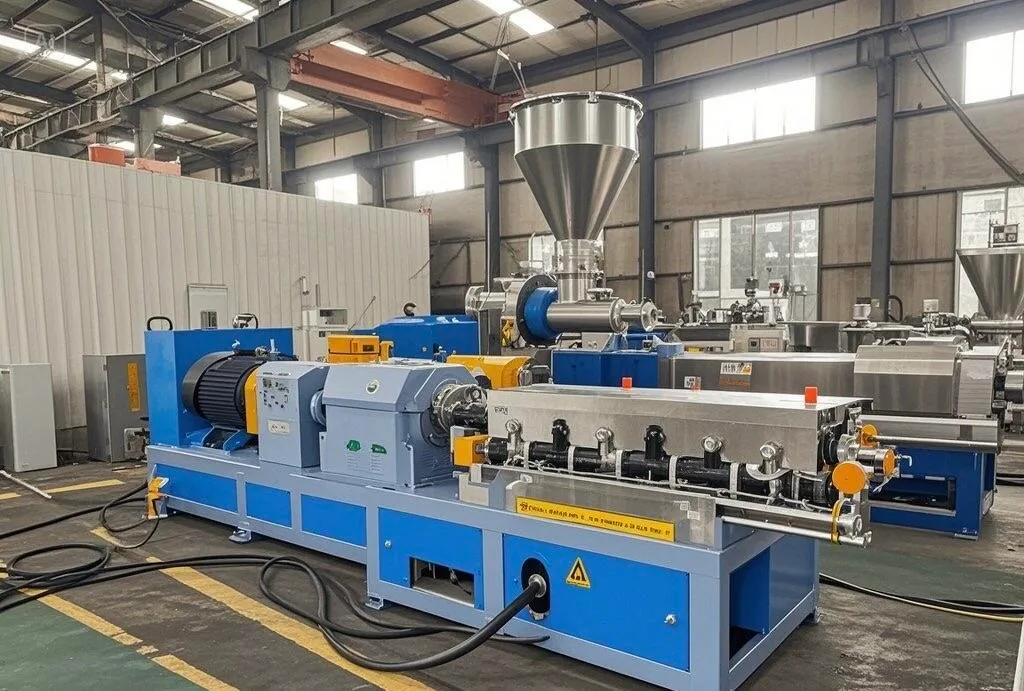
Why Choose ExtruderX Solutions
What Our Clients Say
Below, you’ll find the genuine feedback from our clients who operate the ExtruderX Wire & Cable Extruder. We’re proud to provide professional, top-tier Wire & Cable Extruder solutions to a wide range of clients in the wire and cable industry.
We switch between PVC and LSZH for power cables constantly—our old extruder made this a messy, scrap-heavy hassle. ExtruderX handles the transition smoothly, no extra cleanup. Their team even stayed a full day to tweak settings with our engineers, saving us weeks of trial and error.

Lily Carter, Technical Director
Before using ExtruderX, the insulation layers of our high-speed data center cables never met the required standards, and we kept getting customer returns. As soon as this Wire & Cable Extruder went online, it solved the problem completely.

Chris Wilson, Production Manager
Last quarter, fiber cable jacket orders spiked hard—ExtruderX kept up without constant shutdowns. The floor team says it’s way less finicky than our old machine; no more stopping mid-run to tweak temps. We even cut 3 overtime shifts that month.

Mia Parker, Plant Operations Manager
We tested 3 machines for EV thin-wall wires, and ExtruderX was a no-brainer. Our operators picked up the controls in a day (the last one needed 2 weeks of training!). Plus, the power bills have dipped a bit month-over-month—finance keeps asking me about it.

Brian Lee, Procurement Supervisor
Latest Blog
Learn more about the latest technical analysis and industry insights in the field of Wire & Cable Extruders.
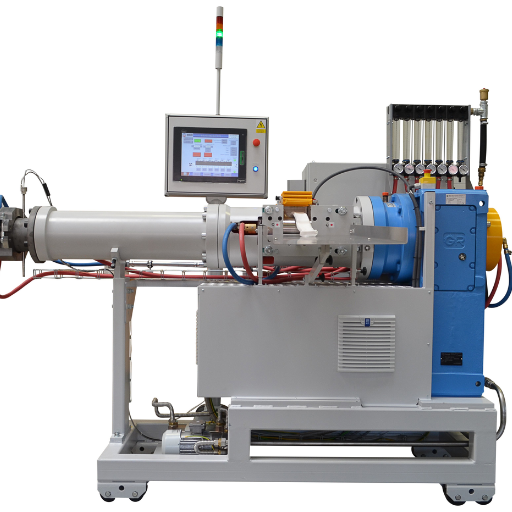
The Silicone Extruder is a core piece of equipment in the rubber and silicone processing industry. Through the continuous extrusion process, it transforms silicone raw materials into various shaped products such as tubing seals and sheets. It is widely used in multiple mainstream overseas industrial sectors including automotive medical and electronics industries. Understanding the basic…
Thermoplastic Elastomers (TPE) are an innovative class of materials that combine rubber like elasticity with plastic like processability. They break the limitations of traditional elastic materials—either good elasticity but poor processability, or easy processability but lack of toughness—and are occupying an increasingly important position in global industrial production and consumer goods manufacturing. Whether it is…

Thermoplastic Rubber (TPR) is a category of polymer materials that combines the elasticity of rubber with the processability of plastics. Thanks to the advantages of reprocessability and customizable performance it has become an ideal alternative to traditional rubber. Understanding TPR helps optimize product material selection and reduce production costs. This article breaks down the core…
Frequently Asked Questions (FAQs)
A: A Wire & Cable Extruder is a core equipment in cable production. It heats and melts insulating/sheathing materials such as plastic through screw rotation, then extrudes and coats the material onto the surface of conductors (copper wires, aluminum wires, etc.) via a die to form a uniform insulating or sheathing layer, ensuring electrical insulation and mechanical protection for cables.
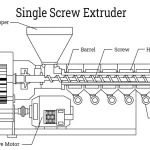
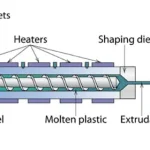
A: The core components include the screw (conveys and melts materials), barrel (contains and heats materials), head and die (determines cable cross-sectional shape and size), temperature control system (precisely controls melting temperature), drive unit (provides rotational power for the screw), and pay-off/take-up devices (stably conveys conductors and winds finished cables).
A: The working principle is: Plastic pellets are fed into the hopper and conveyed to the barrel by the screw. The materials are melted and plasticized through barrel heating and screw shearing. The molten material is pushed into the head die by the screw’s thrust, uniformly coating the continuously moving conductor along the die flow channel. Finally, it is cooled and solidified in a water tank, and the finished cable is wound up by the take-up machine.
A: The main steps of wire extrusion molding are: ① Pay-off (uniform conductor release); ② Conductor pre-treatment (cleaning, straightening, and preheating if necessary); ③ Extrusion coating (molten material coats the conductor via the die); ④ Cooling and solidification (cooling and shaping via water tank or air cooling); ⑤ Traction (stabilizes cable traveling speed); ⑥ Take-up (neatly winds the finished cable); ⑦ Quality inspection (online monitoring of diameter, insulation thickness, etc.).
A: Classified by the number of screws, they include single-screw extruders (simple structure, low cost, suitable for conventional materials) and twin-screw extruders (excellent mixing effect, suitable for high-filling and modified materials). By purpose, they are divided into insulation extruders (coating conductor insulation layers) and sheathing extruders (outer cable protection). By structure, they can also be classified into horizontal extruders (mainstream models, easy to operate) and vertical extruders (suitable for special processes).
A: Processable plastic materials include Polyvinyl Chloride (PVC), Polyethylene (PE), Cross-Linked Polyethylene (XLPE), Low Smoke Zero Halogen (LSZH) flame-retardant materials, Polypropylene (PP), Nylon (PA), etc. Different materials are suitable for different cable scenarios: for example, XLPE is used for high-voltage power cables, and LSZH is used for environments with high environmental requirements such as construction and rail transit.
A: Selection should consider: ① Production capacity requirements (choose screw diameter and power based on hourly output); ② Cable type (power, communication, automotive cables, etc., correspond to different dies and processes); ③ Material characteristics (single-screw for conventional materials, twin-screw for modified/high-filling materials); ④ Precision requirements (high-end cables require precision temperature control and online inspection systems); ⑤ Workshop space and budget.
A: The produced cables are widely used in the power industry (power transmission and distribution cables), communication industry (optical fiber cables, network cables), automotive industry (automotive wiring harnesses), construction industry (household wires, flame-retardant cables), new energy industry (photovoltaic, wind power cables), rail transit industry (high-speed rail/subway special cables), and industrial equipment (equipment connection cables) and other fields.