Welcome to ExtruderX Extrusion Machine Manufacturing Facility

Comprehensive Guide to Thermoplastic Elastomers (TPE)
Thermoplastic Elastomers (TPE) are an innovative class of materials that combine rubber like elasticity with plastic like processability. They break the limitations of traditional elastic materials—either good elasticity but poor processability, or easy processability but lack of toughness—and are occupying an increasingly important position in global industrial production and consumer goods manufacturing. Whether it is the automotive industry’s pursuit of lightweight design and comfort, the medical field’s stringent requirements for biocompatibility, or consumer electronics’ dual needs for soft touch and durability, TPE can provide flexible solutions. Understanding the fundamental nature, classifications, advantages and applications of TPE helps product designers, engineers and purchasers make more accurate material selections, optimize production processes and enhance product competitiveness. This article will systematically break down the core knowledge of TPE, from basic definitions to practical applications, and then to material selection skills and safety characteristics, presenting a practical and easy to understand reference guide for you.
What are Thermoplastic Elastomers (TPE)?
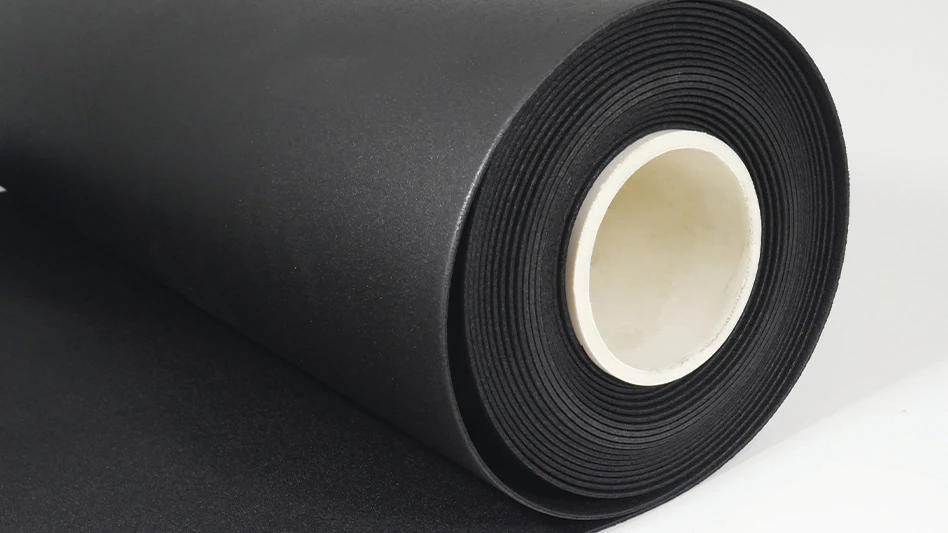
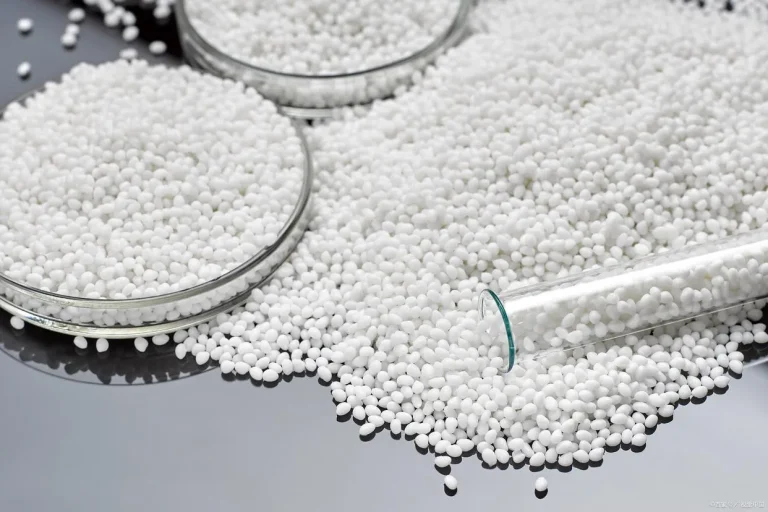
Thermoplastic Elastomers (TPE) are copolymers or polymer blends composed of hard segments and soft segments. Their unique molecular structure endows the material with dual properties. The hard segments provide structural strength and thermal stability, similar to the physical characteristics of plastics, while the soft segments deliver elasticity and flexibility, exhibiting rubber like deformation recovery capabilities. Unlike traditional thermosetting rubbers, TPE does not require irreversible curing processes such as vulcanization. It can melt and flow at high temperatures, and be molded through conventional plastic processing techniques such as injection molding, extrusion and 3D printing. Once cooled, it regains its elasticity. In addition, waste TPE can be recycled and reprocessed to achieve resource recycling.
In terms of core characteristics, the elasticity of TPE stems from the soft segment structure of its molecular chains. When subjected to external stretching or compression, the soft segments can deform, and revert to their original state without permanent distortion once the external force is removed. Processability, on the other hand, comes from the thermoplasticity of the hard segments, which soften at high temperatures to give the material fluidity for easy shaping. Furthermore, TPE features a wide range of adjustable hardness levels, ranging from soft gel like textures to rigid plastic like consistency, along with good chemical resistance and aesthetic moldability. These characteristics enable TPE to adapt to diverse application scenarios.
What Are the Different Types of TPE?
Based on differences in chemical composition and structure, TPE is mainly divided into six major categories. Each type of material has distinct focuses on performance and applications, catering to the specific needs of different industries:
Styrene Block Copolymers (SBCs / TPE S)
This is the most commonly used type of TPE, composed of styrene hard segments and elastomer soft segments such as butadiene and isoprene. It features excellent flexibility, process flowability and cost effectiveness. With a wide hardness range from 3A to 60D and good low temperature resistance, performing well at temperatures as low as minus 70℃, it is suitable for manufacturing adhesives, seals, shoe materials, tool handles and consumer electronics casings. Common sub types include SEBS the hydrogenated version with stronger aging resistance and SBS the non hydrogenated version with lower cost.
Thermoplastic Polyurethane (TPU / TPE U)
It is composed of hard segments diisocyanates and soft segments polyether or polyester. It has outstanding wear resistance, tear strength and oil resistance. TPU has an adjustable hardness range from 60A to 85D, capable of meeting diverse needs ranging from soft elastomers to rigid plastics. It is widely used in fields such as automotive parts, medical catheters, sports equipment, cable sheaths and 3D printing materials.
Thermoplastic Vulcanizates (TPV / TPE V)
It is made by blending rubber and plastic through dynamic vulcanization technology, combining the elasticity of rubber with the processability of plastic. It exhibits excellent thermal stability and chemical resistance, withstanding temperatures up to 135℃. TPV has low compression set, making it ideal for producing automotive seals, industrial hoses, construction sealing strips and high temperature resistant gaskets.
Thermoplastic Polyolefin Elastomers (TPO / TPE O)
It is a blend of polypropylene PP or polyethylene PE and elastomers such as EPDM. It has characteristics including light weight, UV resistance and recyclability, with a hardness range from 60A to 75D. TPO is widely applied in automotive interior and exterior parts such as bumpers and instrument panels, roofing materials and consumer product casings, effectively reducing product weight and improving durability.
Thermoplastic Polyester Elastomers (TPEE / TPE E)
Its hard segments are crystalline polyester such as PBT and soft segments are polyether. It boasts excellent high temperature resistance with a continuous service temperature of up to 165℃, fatigue resistance and chemical stability. TPEE is suitable for manufacturing automotive transmission system components, industrial hoses, electronic device connectors and high temperature resistant seals, especially for scenarios with high requirements for material strength and heat resistance.
Thermoplastic Polyamide Elastomers (PEBA / TPE A)
It is composed of polyamide hard segments and polyether or polyester soft segments. It has excellent high temperature resistance, withstanding temperatures up to 170℃, along with good flexibility and adhesion to engineering plastics. PEBA is commonly used in aerospace components, high end shoe materials, medical implants and precision components of electronic devices, maintaining stable performance in harsh environments.
What Are the Advantages of Thermoplastic Elastomers (TPE)?
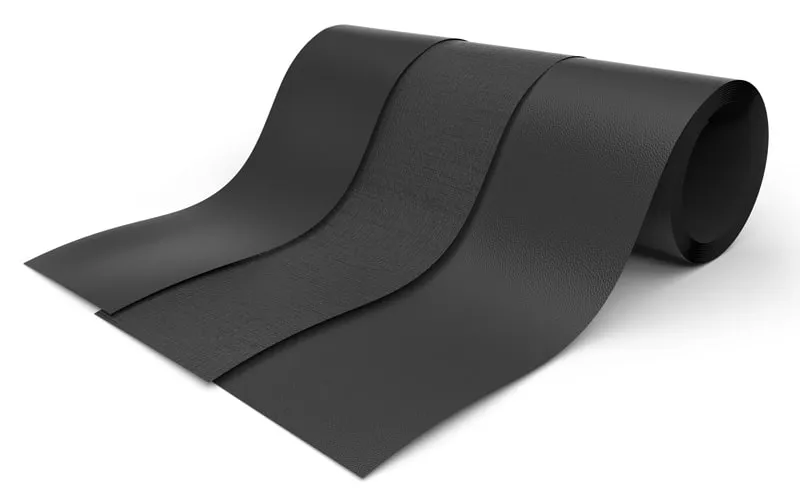
The reason TPE stands out among numerous materials lies in its comprehensive advantages that simultaneously address three key pain points: production efficiency, product performance and environmental protection requirements.
Highly Efficient and Flexible Processing
TPE can be produced using conventional plastic processing equipment such as injection molding, extrusion, blow molding and 3D printing, eliminating the need for additional production line modifications. It also does not require complex processes like vulcanization and curing, with short molding cycles—some injection molding processes take only 20 seconds—greatly improving production efficiency. In addition, TPE supports complex processes such as two color or multi color co injection molding and insert molding. It can bond firmly with plastic substrates such as PP and PE, providing more possibilities for product design.
Precisely Customizable Performance
By adjusting the ratio of hard segments to soft segments and selecting different base material components, the properties of TPE such as hardness, elasticity, wear resistance and temperature resistance can be precisely controlled. It ranges from gel like ultra soft materials to rigid materials close to plastics, and can withstand temperatures from minus 70℃ to 170℃, meeting the personalized needs of different application scenarios. Meanwhile, TPE has a soft and comfortable surface touch, and can easily achieve various textures such as matte, high gloss and anti slip, enhancing the user experience of products.
Environmentally Friendly and Sustainable
TPE has good recyclability. Scrap materials during production and waste products can be melted and reprocessed for reuse, and the energy consumption of the recycling process is lower than that of new material production, effectively reducing resource waste and carbon emissions. In addition, some TPE products are made from bio based raw materials such as corn and castor oil, further reducing dependence on fossil fuels and complying with global environmental policies and consumer demand for sustainable products.
Significant Cost Effectiveness
Although the raw material cost of TPE is higher than that of some traditional plastics, from the perspective of the whole life cycle, its high processing efficiency, low reject rate and high recycling rate can effectively reduce the comprehensive production cost. At the same time, TPE can replace higher cost materials such as silicone and thermosetting rubber, achieving cost optimization while maintaining the same product performance.
What Are the Application Fields of Thermoplastic Elastomers (TPE)?
With versatile properties and flexible processability, TPE has penetrated multiple core industries such as automotive, medical, consumer electronics and consumer goods, becoming an indispensable key material.
Automotive Industry
TPE applications in the automotive sector cover interior trim, exterior trim and functional components, serving as a vital material for achieving vehicle lightweight design, comfort and safety. For interior parts, it is used in soft dashboard surfaces, steering wheel grips, door panels and seat belt covers, delivering soft touch and anti slip performance. For exterior parts, it is applied in door and window seals, bumper buffer layers and windshield wiper strips, withstanding extreme temperatures ranging from minus 40℃ to 120℃ as well as prolonged exposure to sun and rain. For functional components, it is utilized in engine pipelines, wire harness insulation layers and battery packaging materials, featuring oil resistance, heat resistance and flame retardancy to meet the stringent requirements of new energy vehicles.
Medical and Healthcare Industry
Medical grade TPE must meet strict standards such as biocompatibility, sterility and sterilization resistance, and is widely used in disposable medical supplies and long term implants. Common products include infusion tubes, syringe seals, ventilator masks, urinary catheters and wound dressings. Its soft and smooth surface minimizes irritation to human tissues, and it can withstand multiple sterilization methods such as high temperature steam and gamma radiation. Meanwhile, it is non toxic and non allergenic, complying with international medical certification requirements such as FDA and ISO.
Consumer Electronics and Appliances
In the consumer electronics field, TPE is used in mobile phone and tablet protective cases, earphone earbuds, keyboard keycaps and game controller grips, providing anti slip, shockproof and comfortable touch. In household appliances, it is applied in rice cooker sealing gaskets, washing machine shock absorbers, vacuum cleaner hoses and power plug covers, with properties including wear resistance, temperature resistance, insulation and noise reduction to enhance product durability and safety.
Consumer Goods and Sporting Goods
TPE applications are ubiquitous in daily consumer goods, such as toys especially baby toys which are safe and odorless, kitchen utensil grips, toothbrush handles and cosmetic packaging seals, combining safety and practicality. In the sporting goods sector, it is used in sports shoe soles, yoga mats, racket grips and fitness equipment buffers, leveraging its high elasticity, wear resistance and shock absorption performance to improve sports experience and extend product service life.
Industrial and Construction Industries
In industrial scenarios, TPE is used in mechanical seals, conveyor belts, industrial hoses and shock pads, withstanding oil contamination, chemicals and mechanical wear to prolong equipment service life. In the construction field, it is applied in door and window sealing strips, glass encapsulation materials, waterproof membranes and pipe joints, featuring weather resistance, waterproofness and sealing performance to adapt to various indoor and outdoor environments.
3D Printing Industry
TPE filaments have become a popular material in the 3D printing field due to their flexibility and processability. They can be used to print flexible parts, customized medical aids such as prosthetics and orthotics, soft molds and robot flexible joints. TPE supports the molding of complex structures, and printed parts have good elasticity and durability, providing an efficient solution for prototyping and small batch production.
Comparison of Thermoplastic Elastomers (TPE) with Other Elastic Materials
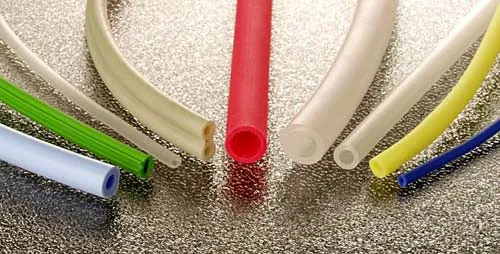
When selecting elastic materials, TPE is often compared with traditional alternatives such as thermosetting rubber, silicone and TPU. Although it is a subclass of TPE it is often compared separately. The core differences between these materials are as follows:
TPE vs Thermosetting Rubber (e.g. Natural Rubber, Nitrile Rubber)
Thermosetting rubber offers excellent elasticity and chemical resistance, but it requires vulcanization for processing, resulting in long molding cycles and is non recyclable. In contrast, TPE does not need vulcanization, features high processing efficiency and is recyclable, with a wider adjustable hardness range to accommodate more processing techniques. However, thermosetting rubber demonstrates better stability in extreme high temperature environments above 170℃ or under prolonged exposure to strong chemical corrosion.
TPE vs Silicone
Silicone excels in high temperature resistance withstanding temperatures over 200℃, biocompatibility and aging resistance. But it has drawbacks such as long processing cycles, high costs and poor adhesion to plastic substrates. TPE, on the other hand, boasts higher processing efficiency, lower costs, supports various multi component molding processes and offers a richer range of surface textures. Its key limitation is a lower high temperature resistance threshold compared to silicone. Therefore, silicone is more suitable for high end medical implants and components used in high temperature environments, while TPE is preferred for mass produced consumer products and automotive parts.
TPE vs TPU
TPU is a subclass of TPE focused on high wear resistance and high strength. Other TPE types such as SBCs and TPO have advantages in flexibility, processability and cost effectiveness. TPU is ideal for scenarios requiring extreme wear and tear resistance and high tear strength such as industrial belts and high end shoe materials. For general consumer goods and automotive interior parts, choosing TPE types like SBCs and TPO delivers better cost effectiveness.
Comparison Summary
If processing efficiency, recyclability and cost effectiveness are top priorities, TPE is the optimal choice. For applications in extreme high temperature or strong chemical environments, silicone or thermosetting rubber is more suitable. If high wear resistance and high strength are the key requirements, the TPU subclass should be prioritized.
Is TPE Safe to Use?
The safety of TPE has been recognized by numerous industry standards worldwide. Its safety is mainly reflected in the following scenarios, while the boundaries of rational use should also be noted:
Food Contact Safety
Most TPE products comply with the FDA’s Generally Recognized as Safe (GRAS) standard. They contain no harmful substances such as bisphenol A (BPA) or phthalates, making them safe for use in food contact scenarios including food packaging seals, baby tableware and kitchen tools. When selecting TPE products, confirm that they have obtained food contact certification and avoid using non compliant products.
Medical Application Safety
Medical grade TPE undergoes rigorous biocompatibility testing. It is non toxic, non allergenic and non irritating, allowing safe contact with human tissues, blood and bodily fluids. Additionally, it can withstand various sterilization methods such as high temperature steam and gamma radiation without performance degradation or release of harmful substances. For these reasons, it is widely used in disposable medical supplies and long term implants.
Daily Use Safety
TPE is stable in properties at room temperature and does not release toxic gases or harmful substances. Its soft surface has no sharp edges, making it suitable for products that come into direct contact with the human body such as toys, daily necessities and sports equipment. However, it should be noted that TPE may soften, deform or even release trace substances when exposed to high temperatures exceeding its heat resistance limit. Therefore, avoid placing TPE products in high temperature environments for extended periods such as close to open flames or under intense sunlight.
Frequently Asked Questions (FAQs)
Q: What is the difference between TPE and TPR?
A: TPE is the general scientific name for thermoplastic elastomers, covering all types. TPR is a colloquial term, often specifically referring to styrenic TPE such as SEBS or SBS based variants. There is no essential difference in core performance between the two. When purchasing, clarify the specific base material and performance indicators to avoid terminology confusion.
Q: Can TPE be recycled? How much does performance decrease after recycling?
A: Most TPE is recyclable. Scrap or waste of general purpose TPE including SBCs, TPO and TPU can be remelted and processed. Performance decreases by 10% to 20% after one recycling. Blending with no less than 30% new material or adding compatibilizers can restore performance for most application scenarios.
Q: What is the temperature resistance range of TPE?
A: TPE’s temperature resistance varies greatly by type. SBCs have a continuous service temperature range of -40℃ to 80℃, TPU ranges from -30℃ to 120℃, and TPEE/PEBA can reach -50℃ to 160℃. Select the corresponding type according to the operating environment.
Q: Can TPE be directly bonded to plastics such as PP and ABS?
A: TPE can be directly and firmly bonded to PP/PE via two shot injection molding. Bonding to engineering plastics like ABS/PC requires special modified TPE with compatibilizers added. It is recommended to conduct small batch trial production first to verify peel strength.
Q: What requirements must TPE meet for food contact products?
A: Food grade TPE complying with FDA 21 CFR Part 177 US or EU 10/2011 EU standards should be selected. It must contain no harmful substances such as BPA or phthalates. Request food contact certification reports when purchasing.