Welcome to ExtruderX Extrusion Machine Manufacturing Facility

Rubber Extruder Machines
Wire & Cable Extruder Manufacturers
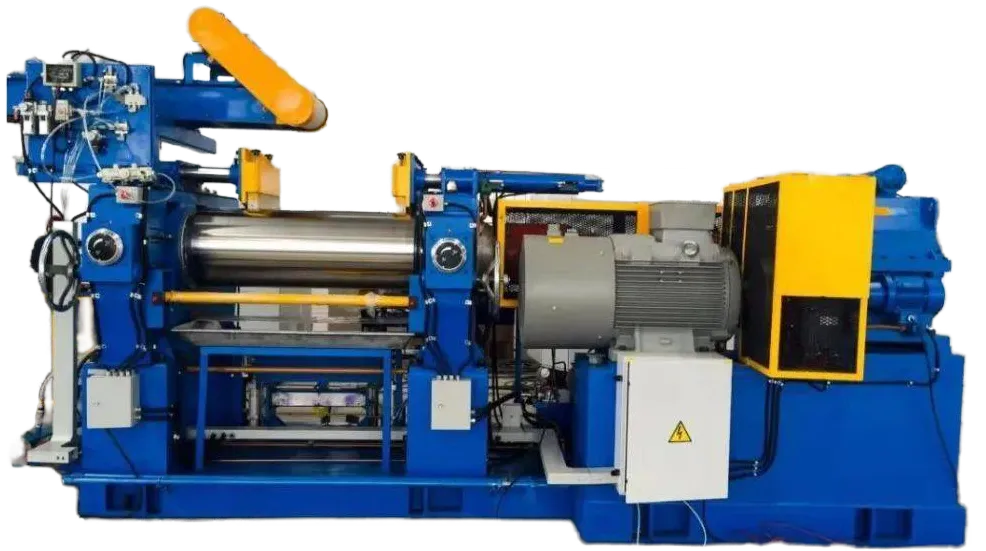
ExtruderX’s Rubber Extruders are specialized for producing rubber components (such as seals, hoses, profiles) across automotive, construction, industrial sealing, and other sectors. They adapt to various rubber material types (natural rubber, nitrile rubber, silicone rubber), ensuring uniform extrusion, stable operation, and high-efficiency production. If you’re seeking a professional rubber extruder supplier with reliable equipment and tailored solutions, ExtruderX is your go-to choice.
99.7%
Equipment Stability
99%
Profile Dimensional Accuracy
42%
Energy Efficiency Boost
<2%
Material Waste Rate
ExtruderX Solve Your Production Challenges
Many rubber producers face uneven component shaping (seals, hoses, profiles), raising high defect rates and rework costs. The ExtruderX Rubber Extruder uses precision temp control + stable screw feeding, ensuring consistent rubber product dimensions and cutting defects by 80%.
Switching between rubber product specs (e.g., hose diameters) often takes hours with old extruders, delaying production schedules. Our ergonomic modular die head + tool-free quick-change cuts spec switching time by 40%, reducing downtime and boosting throughput by 30-45%.
Old extruders often fail to process special rubbers (e.g., high-temp silicone, oil-resistant nitrile), limiting product range. With dedicated screw config + customized temp curves, it adapts to all rubber types, enabling stable extrusion of specialty parts via adjustable process parameters.
Traditional rubber extruders waste 10-15% of materials and consume excess energy during operation, raising production costs. Our intelligent VFD + precise dosage control system saves 25% energy and lifts material utilization by 6-8%, cutting overall costs significantly.
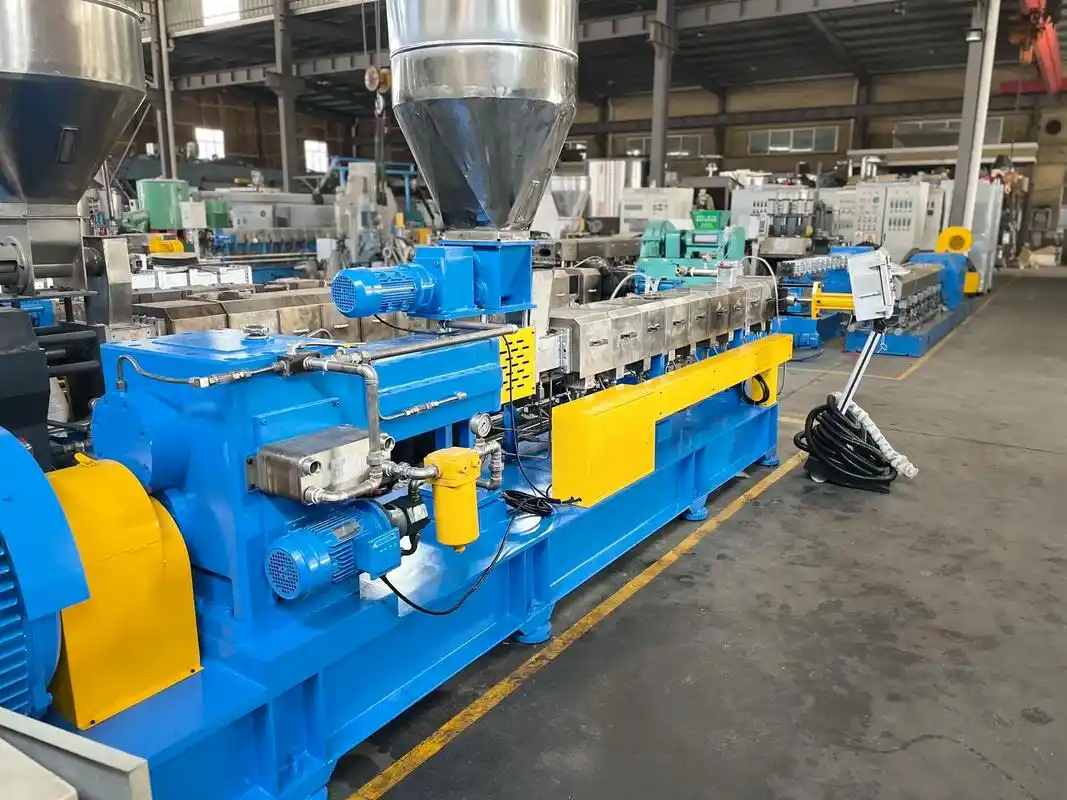
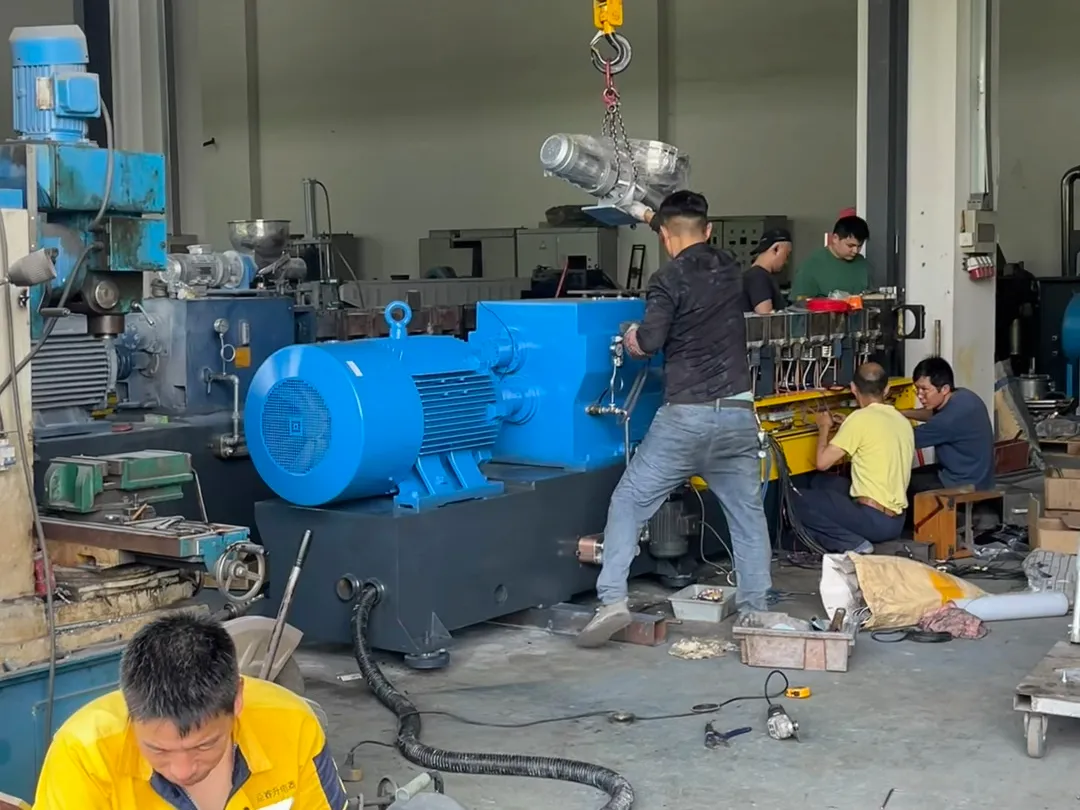
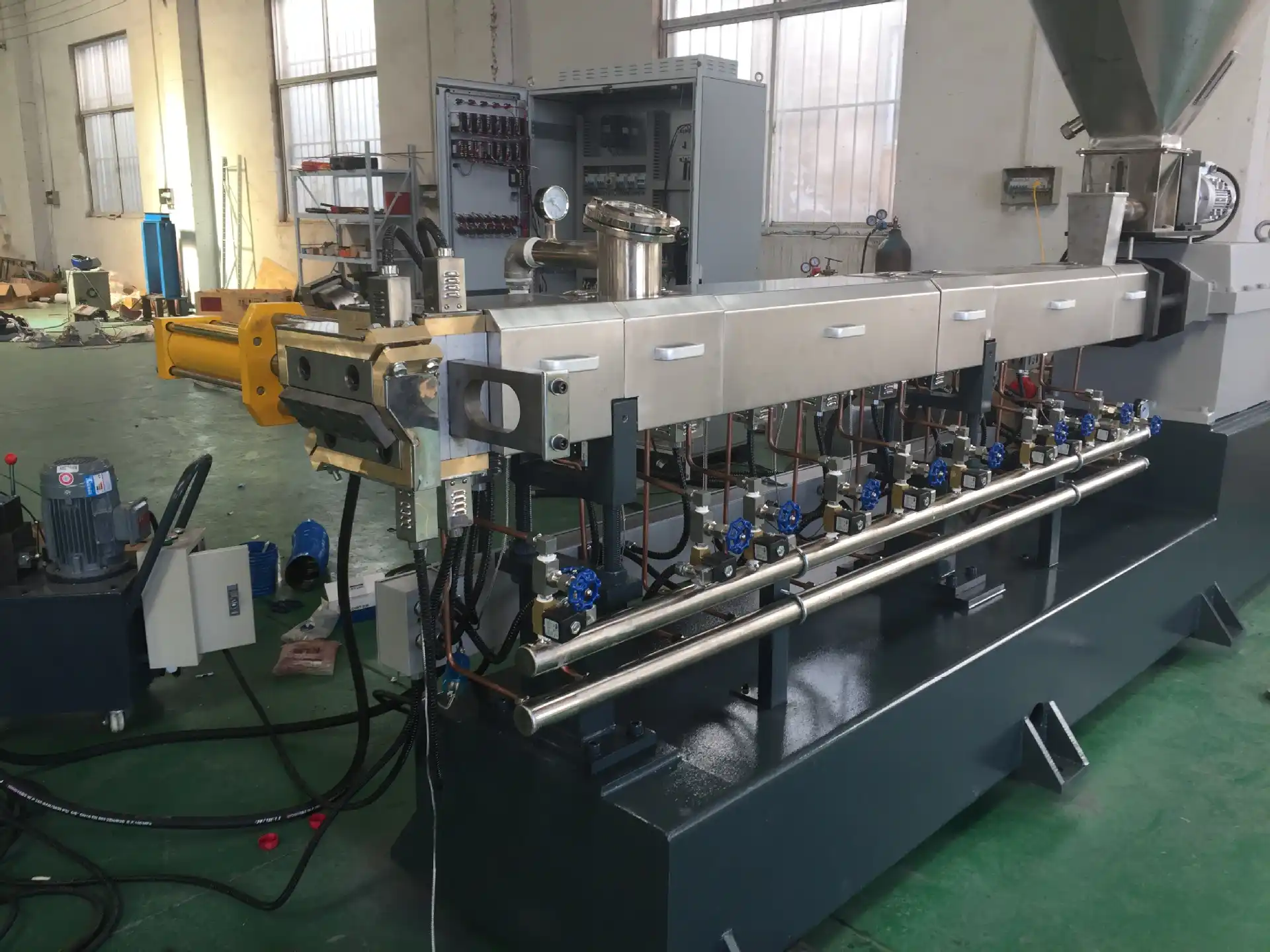
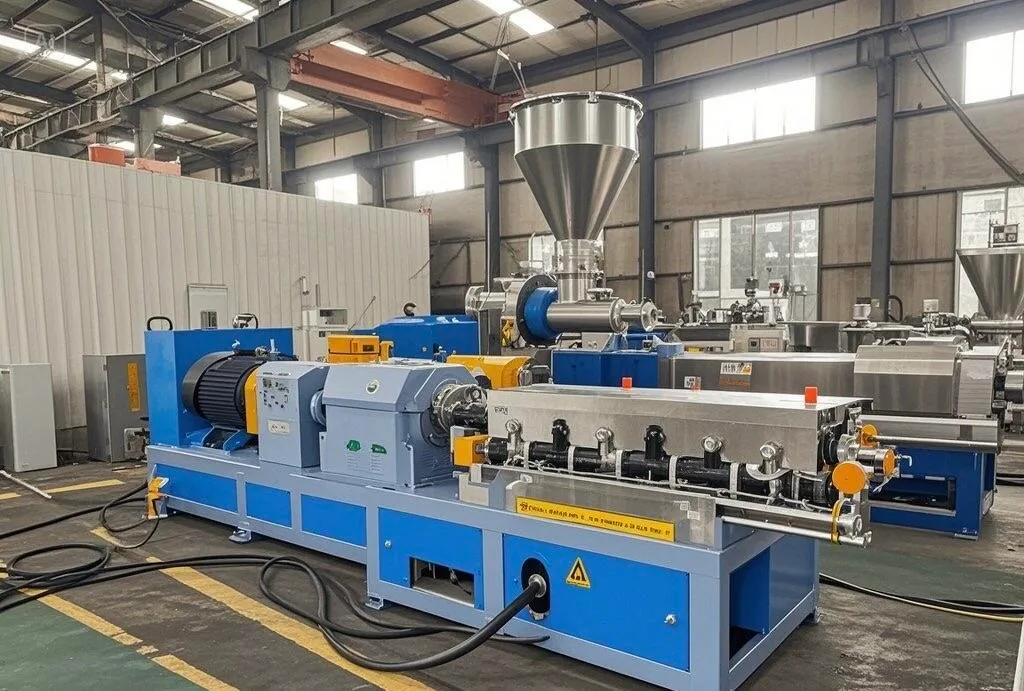
ExtruderX Rubber Extruder Factory
ExtruderX Rubber Extruder series, with craftsmanship exceeding industry standards, ensures uniform rubber component shaping, consistent profile dimensional control and stable performance for rubber products during extrusion.
Rubber Extruder Pricing
Rubber Extruders for Sale
ExtruderX Rubber Extruders prioritize shaping uniformity, dimensional consistency, and material adaptability, with precise performance tailored to meet diverse process requirements in rubber product manufacturing.
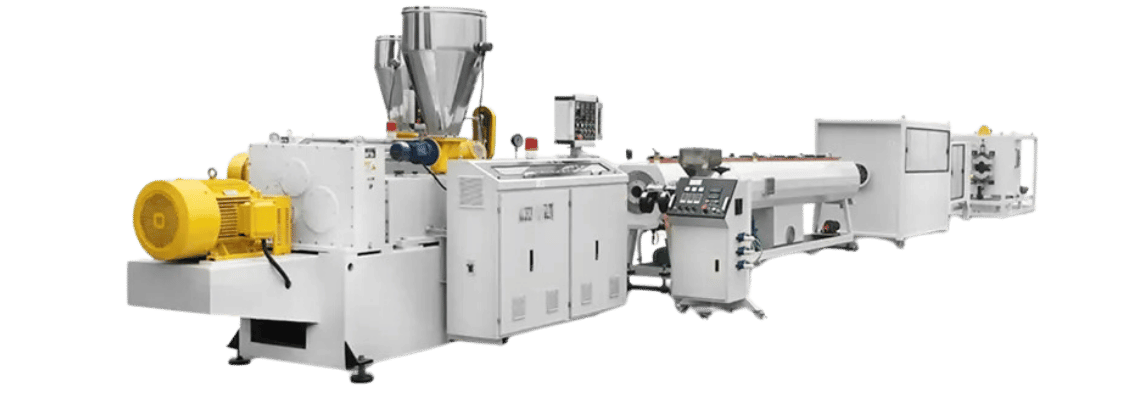
$17,000 to $140,000
TPE Extruder
Built for thermoplastic elastomer (TPE) production, it adapts to TPE compounds (soft/hard grades), enabling high-speed stable extrusion. With precision temp control & quick-spec die changes, it ensures consistent profile dimensions—ideal for daily necessities, toy parts & industrial seals.
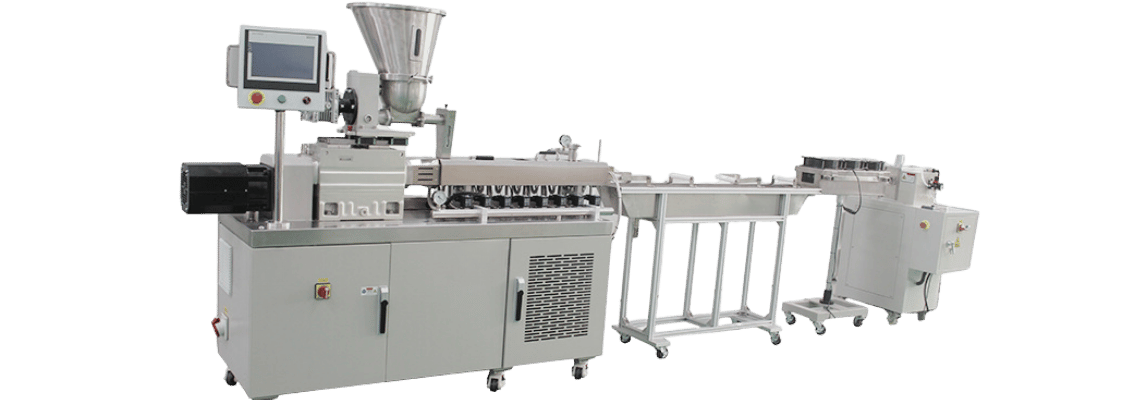
$15,000 to $125,000
Hot Melt Extruder
Tailored for hot melt material processing (hot melt adhesive, EVA), it focuses on uniform plasticization & temperature stability. Featuring adjustable feeding speed, it enables continuous, consistent extrusion—perfect for packaging sealing, building material bonding & electronic component fixing.
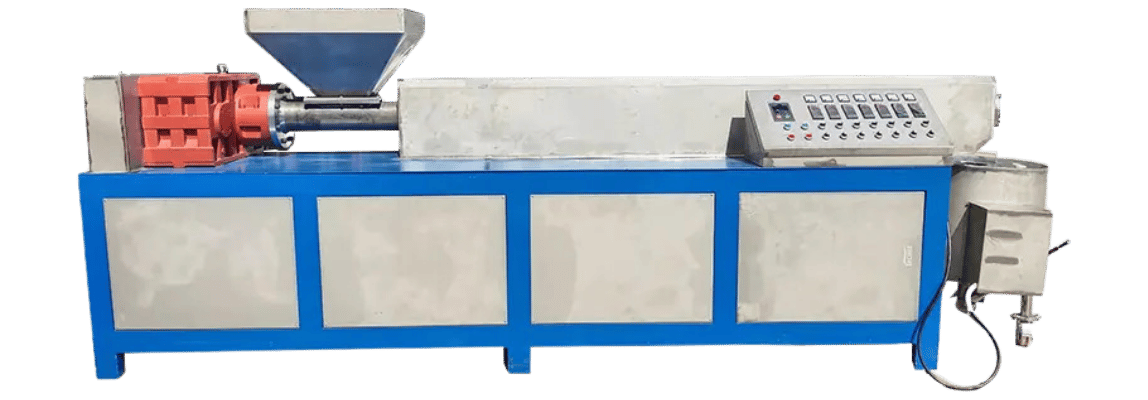
$23,000 to $115,000
Silicone Extruder
Designed for food/medical-grade silicone processing, it boasts FDA-compliant components, optimized screws & precision temp control. It adapts to high-temp/biocompatible silicone, delivering accurate, burr-free profiles—ideal for medical catheters, food-contact seals & electronic insulation parts.
What Type of Rubber Extruder Do You Need?
Beyond the three Rubber Extruder models above, we also offer multiple other configurations for your selection. If you’d like to learn more details, feel free to contact us for inquiries anytime.
Rubber Extruder Product Specifications
ExtruderX offers premium Rubber Extruders, engineered for diverse rubber production needs—from standard seals/hoses to specialty heat/chemical-resistant parts. Whether you need solutions for materials (natural rubber, nitrile, silicone), or capacities (small-batch to large-scale lines), our lineup has a solution tailored to your needs.
Below are the detailed specifications for the Rubber Extruder.
| Model | Diameter (mm) | Max. Screw Speed (rpm) | Capacity for Reference (kg/h) |
|---|---|---|---|
| EX35 | 35 | 400 | 400-800 |
| EX45 | 45 | 350 | 800-1500 |
| EX55 | 55 | 300 | 1500-2200 |
| EX65 | 65 | 250 | 2200-3000 |
Flowchart of the Rubber Extruder
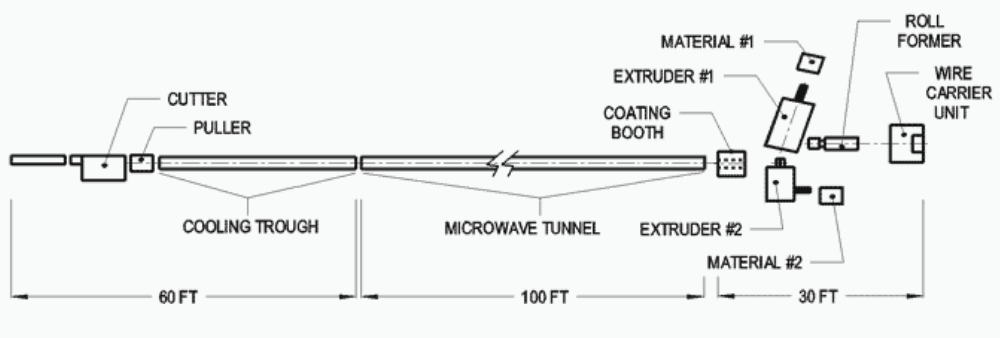
Flowchart of the Rubber Extruder
Why Choose ExtruderX Rubber Extruders
What Our Clients Say
Below, you’ll find the authentic feedback from our clients who use the ExtruderX Rubber Extruder. We take pride in delivering professional, top-quality Rubber Extruder solutions to a diverse range of clients in the rubber product manufacturing industry.
We switch between natural rubber and silicone for automotive seals nonstop—our old extruder made this messy, with tons of scrap. ExtruderX handles the transition smoothly, no extra cleanup. Their team spent a full day tweaking settings with our engineers, saving us weeks of trial and error.

Emma Reed, Technical Supervisor
Before ExtruderX, our rubber hose wall thickness was inconsistent, leading to constant customer returns. As soon as this Rubber Extruder went online, it fixed the issue completely—every hose meets our specs now.

James Cooper, Production Manager
Last month, our industrial hose orders spiked sharply—ExtruderX kept up without constant shutdowns. The floor team says it’s way less fussy than our old machine; no more mid-run temp tweaks. We even cut 2 overtime shifts that week.

Olivia Hayes, Plant Operations Manager
We tested 2 machines for food-grade silicone gaskets, and ExtruderX was an easy pick. Our operators mastered the controls in a day (the last machine needed 2 weeks of training!). Plus, our monthly energy bills dropped a bit—finance is thrilled.

Daniel Torres, Procurement Supervisor
Latest Blog
Learn more about the latest technical analysis and industry insights in the field of Rubber Extruders.
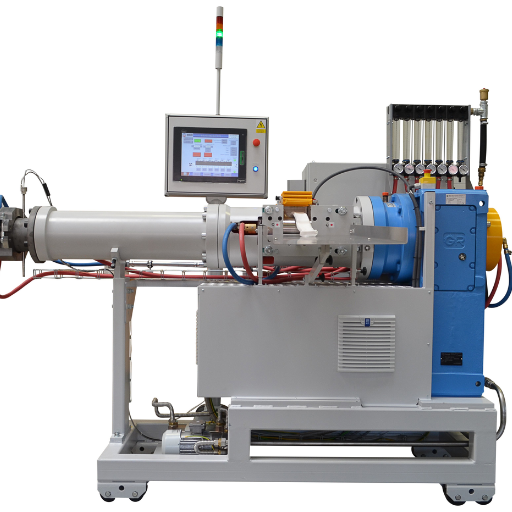
The Silicone Extruder is a core piece of equipment in the rubber and silicone processing industry. Through the continuous extrusion process, it transforms silicone raw materials into various shaped products such as tubing seals and sheets. It is widely used in multiple mainstream overseas industrial sectors including automotive medical and electronics industries. Understanding the basic…
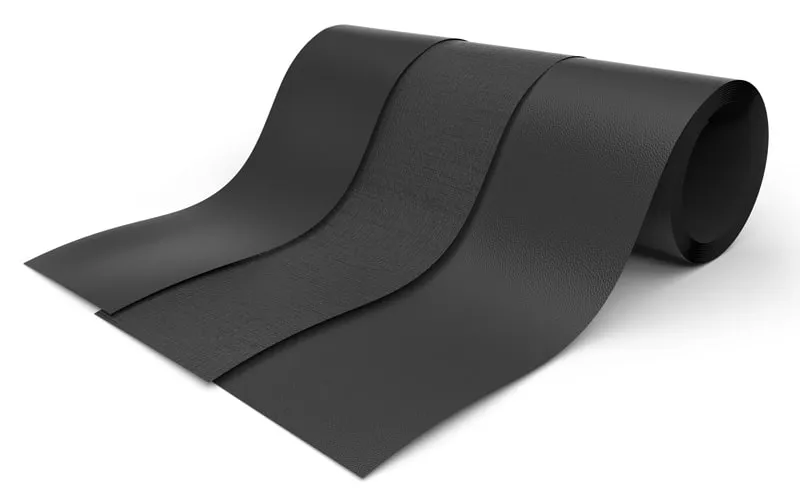
Thermoplastic Elastomers (TPE) are an innovative class of materials that combine rubber like elasticity with plastic like processability. They break the limitations of traditional elastic materials—either good elasticity but poor processability, or easy processability but lack of toughness—and are occupying an increasingly important position in global industrial production and consumer goods manufacturing. Whether it is…
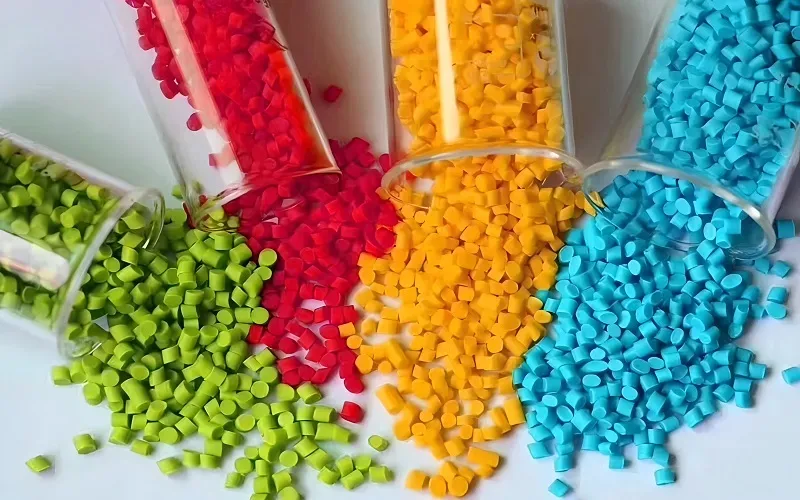
Thermoplastic Rubber (TPR) is a category of polymer materials that combines the elasticity of rubber with the processability of plastics. Thanks to the advantages of reprocessability and customizable performance it has become an ideal alternative to traditional rubber. Understanding TPR helps optimize product material selection and reduce production costs. This article breaks down the core…
Frequently Asked Questions (FAQs)
A: A rubber extruder is core equipment in rubber processing. It heats and plasticizes rubber materials, then conveys and extrudes them into shapes (like hoses, seals, and profiles) via a screw. Widely used in automotive, industrial, and medical sectors, it offers high forming precision and stable production efficiency, suitable for various rubber processing scenarios.
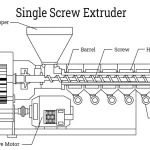
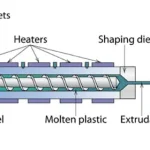
A: An electric motor drives the screw to rotate, feeding rubber material from the hopper into the barrel. The material is plasticized through barrel heating and screw shearing, then extruded into the target shape via a custom mold under pressure. It’s then cooled and shaped by a traction device, completing the continuous forming process—centered on the “plasticization-extrusion-shaping” closed-loop workflow.
A: First, clarify your product type (e.g., hoses/seals), material, and production capacity. Then match the screw diameter (35-65mm for small-to-medium capacity), length-to-diameter ratio, and temperature control precision. Prioritize manufacturers offering test runs and overseas technical support, balancing energy consumption, maintenance costs, and after-sales response speed to avoid overcapacity or shortages.
A: It can process various rubbers (natural rubber, nitrile rubber, EPDM, silicone, fluororubber) and adapt to thermoplastic elastomers like TPE/TPR. Food-grade silicone models suit medical/food-contact parts, while oil-resistant rubber models fit industrial seals—select a compatible machine based on your product’s application.
A: Key parameters include screw speed (higher speed boosts capacity, but must match plasticization capability), barrel temperature (affects melting efficiency), mold runner design (determines discharge smoothness), material moisture content/formula stability, and equipment maintenance status (e.g., screw wear), all of which directly impact continuous production efficiency.
A: Daily: Clean residual material from the screw, barrel, and mold to avoid carbonization. Weekly: Inspect temperature sensors, heating coils, and lubricate transmission components. Monthly: Tighten connections and replace worn seals. Regularly calibrate temperature precision and screw concentricity, and log operating parameters—this significantly extends equipment life and reduces downtime.
A: Provide detailed product specs (dimensions, tolerances), specific material type (e.g., silicone/nitrile rubber), target capacity (kg/h), required screw length-to-diameter ratio, temperature range (ambient-250°C), and installation space. For food/medical applications, specify compliance needs (e.g., FDA certification) to enable precise customization.
A: Recommend models with 35-55mm screw diameter and 50-500kg/h capacity—balancing cost and production flexibility. Prioritize modular designs for easy future expansion or mold replacement. Focus on energy-efficient features (e.g., variable-frequency motors) and user-friendly interfaces to cut labor and energy costs, fitting small-batch, multi-variety production.
A: Basic operations (startup, shutdown, simple parameter adjustments) take 1-2 days to master. Training covering material adaptation, mold changes, and basic troubleshooting takes 3-5 days. Proficiency (including parameter optimization and quality control) in real production typically takes about 1 week—vendor-provided video tutorials or on-site overseas training can shorten this period.