Welcome to ExtruderX Extrusion Machine Manufacturing Facility

Plastic Extruder: Everything You Need to Know
Against the backdrop of the global manufacturing upgrade wave, the demand for high-quality plastic extruders continues to surge. Particularly in core application fields such as pipes and films, energy-efficient and high-performance equipment has become a market necessity. This article will elaborate on the basic definition, working principle, and core components of plastic extruders, and further detail their application scenarios, selection methods, and market demand trends. It aims to help distributors quickly grasp core information and accurately meet customer needs.
What Is a Plastic Extruder?
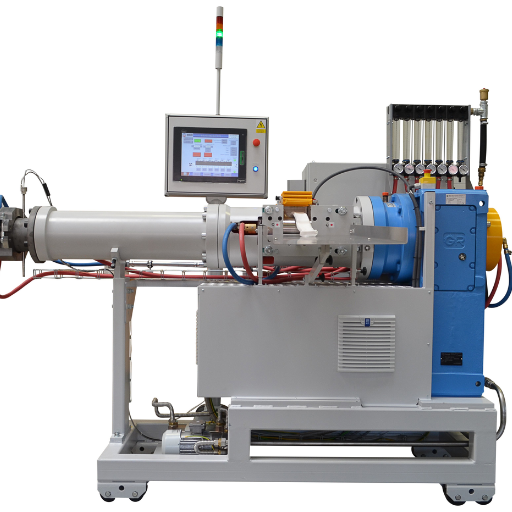
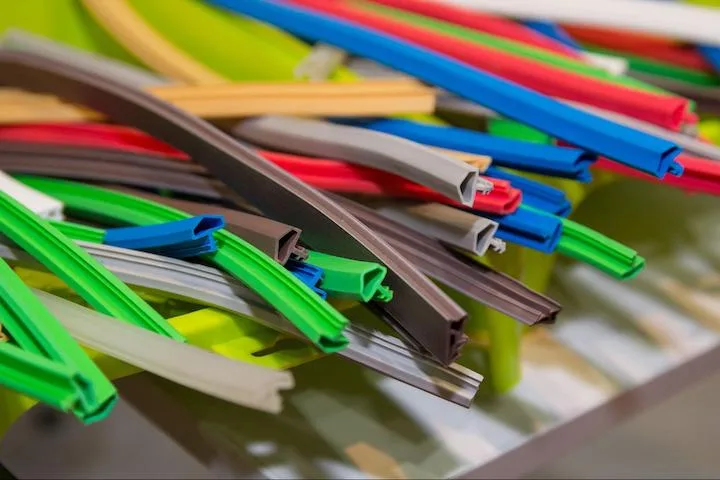
A plastic extruder is core equipment in the plastic processing industry. It primarily converts granular, powdery, or other thermoplastic raw materials into various continuous plastic products—such as pipes, sheets, films, and cable sheaths—through continuous extrusion molding via processes including heating, melting, and pressurization. As a key link in the plastic industrial chain, the equipment’s performance directly determines the quality stability and production efficiency of end products. It is widely suitable for the large-scale production needs of various plastic processing enterprises.
Working Principle of a Plastic Extruder
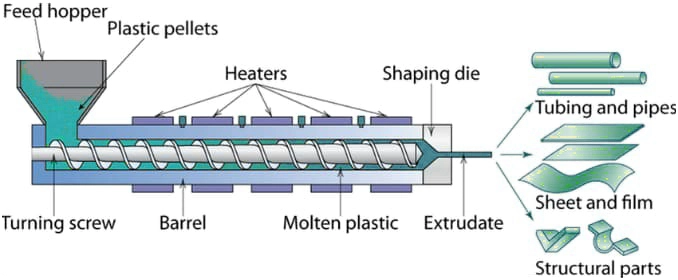
- Raw Material Conveying: After plastic raw materials enter the barrel from the hopper, they are smoothly pushed forward by the rotational force of the screw, providing a continuous supply of raw materials for subsequent processing.
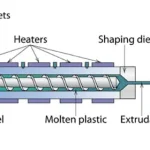
- Melting and Plasticization: Heaters outside the barrel continuously raise the temperature, while the shear heat generated by the screw’s rotation works together to gradually melt the solid raw materials into a uniform plastic melt.
- Pressurization and Extrusion: The molten plastic is continuously pressurized under the screw’s propulsion and passes through a specific die in the head, forming a continuous billet matching the cross-sectional shape of the die.
- Cooling and Shaping: The extruded billet is rapidly cooled and solidified by cooling equipment, ultimately forming dimensionally stable, standard-compliant plastic finished products and completing the entire extrusion molding process.
Key Components of a Plastic Extruder
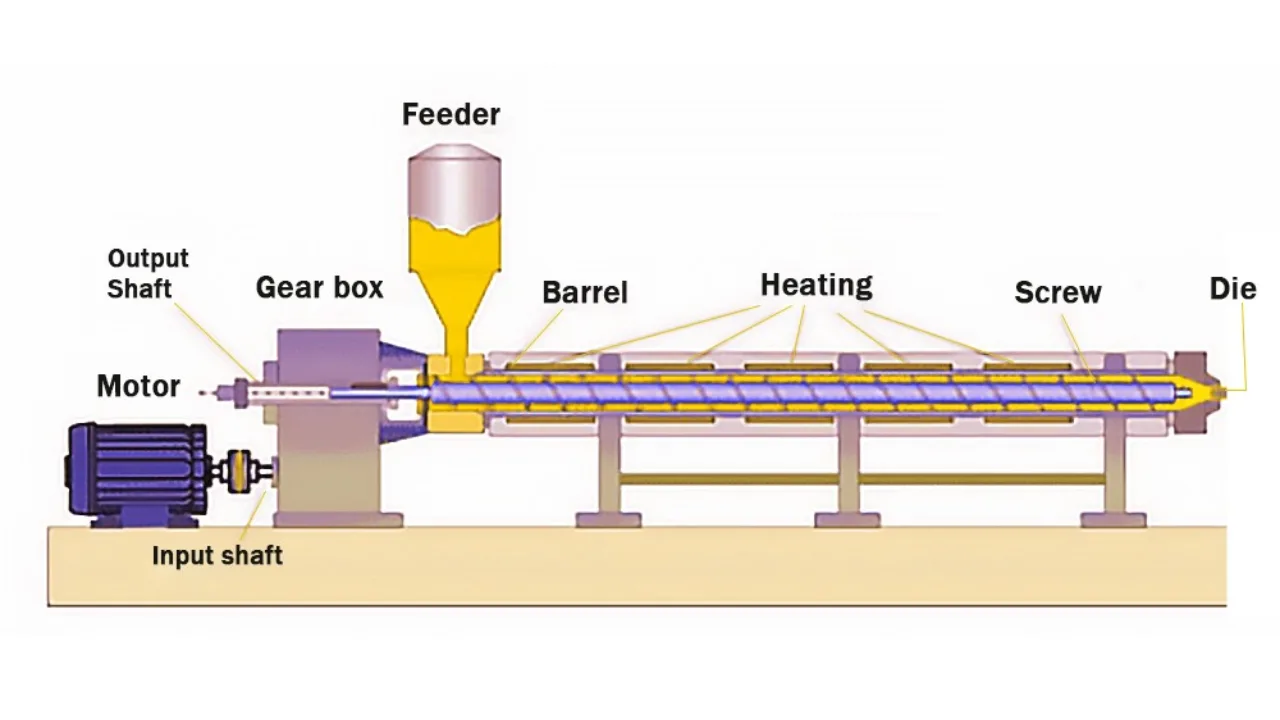
- Screw: The core moving component responsible for raw material conveying, plasticization, and pressurization. Its design—such as screw channel structure and length-diameter ratio—directly affects plasticization effect and extrusion efficiency.
- Barrel: Works in conjunction with the screw to provide space for raw material storage and heating. The material must be high-temperature resistant, wear-resistant, and corrosion-resistant to ensure long-term stable operation.
- Hopper: Used for storing plastic raw materials. Some high-end models are equipped with drying and dehumidification functions to prevent raw material moisture absorption, which could affect finished product quality.
- Temperature Control System: Includes heaters and cooling devices to precisely control the temperature of each section of the barrel, ensuring uniform raw material plasticization and preventing equipment damage from overheating.
- Head and Die: The die determines the cross-sectional shape of the finished product, while the head distributes the melt evenly into the die—serving as key components for molding precision.
- Transmission System: Provides power for the screw’s rotation, allowing adjustment of extrusion speed to ensure stability and controllability during production.
Applications of Plastic Extruders
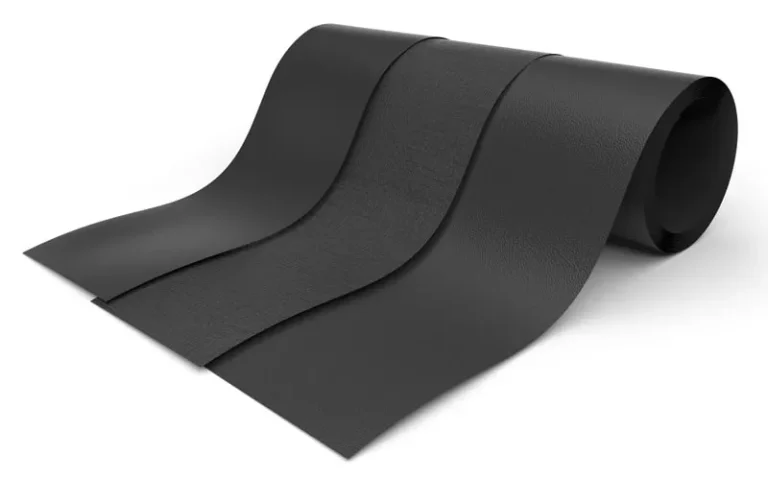
Plastic extruders are widely used in industries such as construction, packaging, electronics and electrical appliances, automotive, and medical care. They can produce a variety of plastic products including pipes, films, profiles, cable sheaths, and medical consumables. As core equipment in the plastic processing industry, they cater to various large-scale production needs. Below is a detailed introduction to the applications of plastic extruders:
1.Packaging Industry: Manufactures various packaging materials such as PE cling film, BOPP packaging film, plastic bags, and stretch film, meeting the packaging needs of food, daily necessities, and other products.
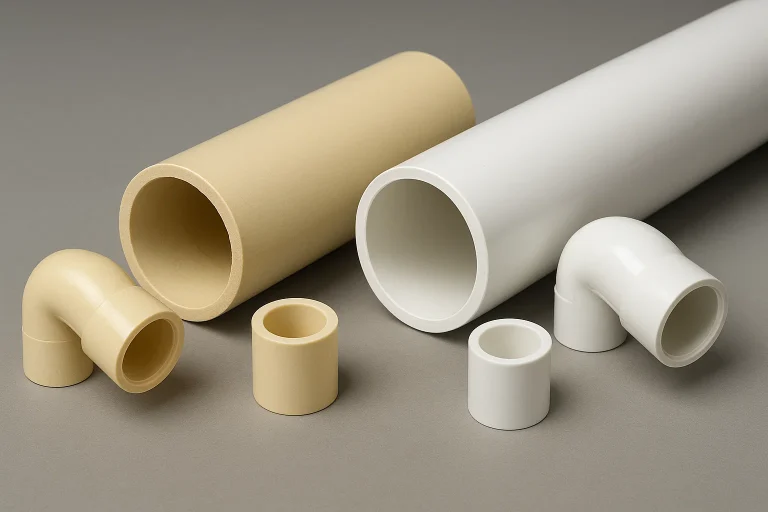
2.Construction Industry: Produces various plastic components for construction, including PVC drain pipes, PPR water supply pipes, plastic door and window profiles, and decorative strips.
3.Electronics and Electrical Industry: Processes products such as cable insulation sheaths, electrical housing accessories, and plastic pipes for electronic component packaging.
4.Automotive Industry: Produces automotive plastic parts such as interior trim, bumper frames, fuel pipes, and air conditioning hoses.Medical Industry: Manufactures medical-standard plastic products such as PVC infusion tubes, disposable medical consumables, and medical packaging films.
Key Considerations for Selecting a Suitable Plastic Extruder
Selecting a suitable plastic extruder is crucial for production. When choosing the right equipment, it is essential to focus on actual production needs. Below are the core considerations to prioritize:
1.Define end product requirements: First, determine the type of products (e.g., pipes, films, profiles) and specific specifications the customer intends to produce. Based on this, match the corresponding extruder model to ensure the equipment aligns with production goals.
2.Match raw material characteristics: Select an appropriate screw structure according to the type of plastic raw materials (e.g., PE, PP, PVC) used by the customer. This ensures full plasticization of raw materials and avoids compromising finished product quality due to mismatches between raw materials and the screw.
3.Balance production capacity and energy consumption: Determine the screw diameter and speed range of the extruder based on the customer’s production capacity requirements. While meeting production efficiency, also consider energy consumption control to enhance equipment cost-effectiveness.
4.Prioritize core component quality: Prefer equipment with high-quality materials and precise processing for core components such as screws and barrels. Such equipment offers greater operational stability and reduces subsequent maintenance costs for failures.
5.Verify manufacturer’s customization capabilities: Confirm whether the manufacturer provides customization services such as mold adaptation and parameter adjustment to meet the customer’s potential diverse production needs and improve cooperation flexibility.
6.Evaluate after-sales support services: Focus on assessing the manufacturer’s service level in terms of installation guidance, spare parts supply, and after-sales maintenance. Comprehensive after-sales support minimizes risks during equipment operation and safeguards the customer’s subsequent production.
Market Demand for Plastic Extruders
The global plastic extruder market is exhibiting a steady growth trajectory. According to data from authoritative industry reports such as Global Market Insights, the global market size is projected to reach RMB 47.038 billion (approximately USD 6.491 billion) in 2025, representing a year-on-year growth of around 7%. The core drivers stem from downstream industrial upgrading and demand expansion in emerging sectors. From a regional demand perspective, significant differentiation is evident: the Asia-Pacific region (including China, Southeast Asia, Japan, South Korea, etc.) accounts for over 40% of the global market share. Among them, Southeast Asia has seen a surge in demand for infrastructure construction, with imports of twin-screw extruders from China in 2023 increasing by 41% year-on-year, driving strong demand for cost-effective mid-to-low-end equipment suitable for large-scale production. In contrast, the European and American markets, driven by environmental policies, are focusing on green transformation and intelligent upgrading. Europe requires equipment energy consumption per unit to be reduced by 15%-20% compared to 2020, while North America has prominent demand for high-end customized equipment with nano-level dispersion precision and sterile production environments in fields such as medical-grade polymers and aerospace composite materials.
In terms of segmented sectors, the new energy and medical industries have emerged as core growth engines driving demand for specialized extruders. In the new energy vehicle sector, the production demand for high-performance pipes such as TPV knitted composite pipes for three-electric cooling systems continues to rise, directly boosting the market expansion of extruders with precise temperature control and multi-layer composite molding capabilities. In the medical field, the demand for fully computer-controlled medical extrusion units has surged. Such equipment must meet strict industry standards for precision parameter control, sterile production environments, and customized production capabilities for personalized medical devices to adapt to products such as infusion tubes and disposable medical consumables. Additionally, more than 30 countries worldwide have introduced plastic pollution control policies, spurring demand for degradable material processing equipment. The market size of related equipment grew by 27% year-on-year in 2024, further driving the upgrading of extruders toward high torque density and low-temperature plasticization. For overseas distributors, accurately grasping regional demand differences and technological trends in segmented sectors, and focusing on the promotion of energy-efficient, intelligent equipment and specialized models, will unlock broader market cooperation opportunities.