Welcome to ExtruderX Extrusion Machine Manufacturing Facility

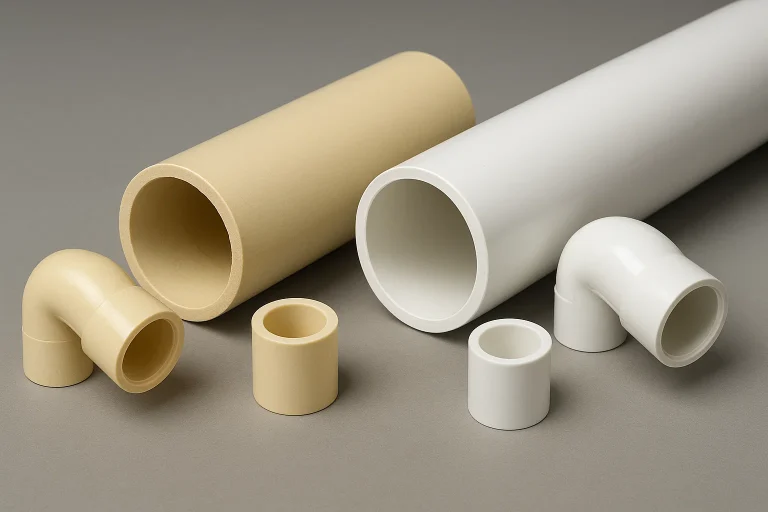
PVC vs CPVC: What’s the Difference?
In numerous fields including pipe manufacturing, chemical equipment, and architectural decoration, polyvinyl chloride (PVC) and chlorinated polyvinyl chloride (CPVC) are two widely used polymer materials that are extremely easy to confuse. Understanding the differences, characteristics, and applicable scenarios between these two materials not only helps you avoid selection errors during procurement and construction but also improves product operational efficiency, extends service life, and reduces long-term maintenance costs. This article will comprehensively break down PVC and CPVC from the perspectives of basic definitions, core differences, and practical applications, and ultimately provide clear selection recommendations for you.
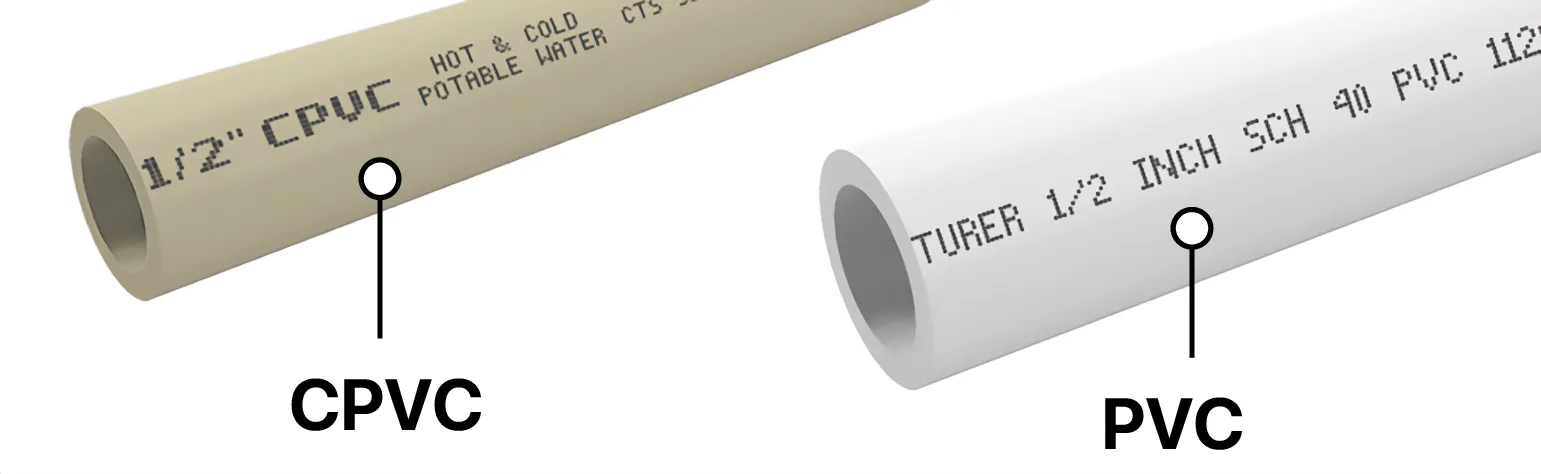
What Is PVC
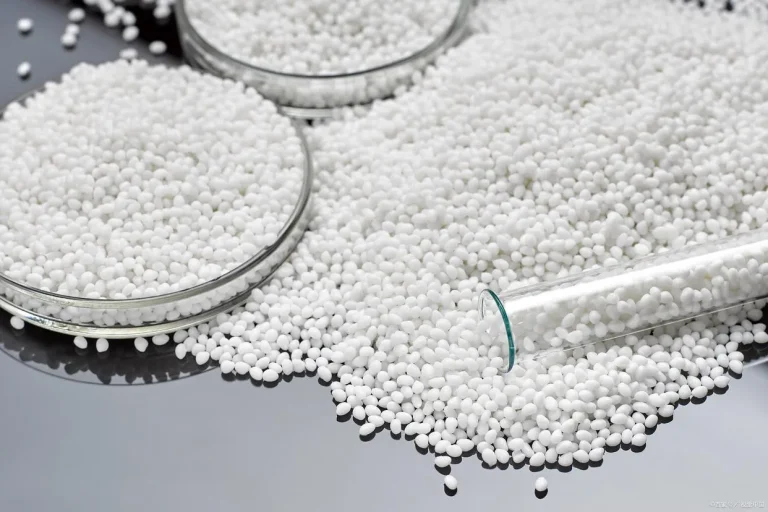
Polyvinyl Chloride, commonly known as PVC, is one of the world’s top producing general-purpose synthetic resins. Thanks to its low cost, excellent processability and chemical stability, it has gained widespread applications across various industries. PVC is produced through the polymerization reaction of vinyl chloride monomer (VCM). Its molecular structure contains a large number of chlorine atoms, which is the core reason for its outstanding corrosion resistance.
Key Characteristics of PVC
PVC has a density ranging from approximately 1.38 to 1.45 grams per cubic centimeter. At room temperature, it exhibits moderate mechanical strength, with good tensile and impact resistance, and is not easily corroded by most acid, alkali and salt solutions. However, its heat resistance is relatively weak; the continuous service temperature is generally not more than 60 degrees Celsius. Beyond this temperature, it is prone to deformation and accelerated aging. In addition, stabilizers, plasticizers and other additives must be incorporated during PVC processing to enhance its thermal stability and flexibility. Different additive formulations can produce two main categories: rigid PVC (UPVC) and flexible PVC, which are suitable for meeting the needs of different scenarios.
What Is CPVC
Chlorinated Polyvinyl Chloride, or CPVC for short, is an upgraded material derived from the chlorination modification of PVC. By introducing more chlorine atoms into the PVC molecular chain, the density of its molecular structure is significantly increased, leading to comprehensive improvements in performance. Especially in terms of heat resistance and corrosion resistance, CPVC achieves a qualitative leap compared with PVC, making it ideal for medium to high temperature and harsh medium scenarios where PVC falls short of requirements.
Key Characteristics of CPVC
The chlorine content of CPVC typically ranges from 63% to 67%, higher than the 56% to 58% found in PVC. Its density is slightly higher than that of PVC, reaching 1.45 to 1.50 grams per cubic centimeter. The continuous service temperature of CPVC can be increased to 90 to 100 degrees Celsius, and it can even withstand short term temperatures up to 120 degrees Celsius. Its heat distortion temperature is more than 30 degrees Celsius higher than that of PVC. Meanwhile, CPVC also boasts superior chemical corrosion resistance, aging resistance and mechanical strength, capable of withstanding a wider range of strong acids, strong alkalis and organic solvents. However, CPVC is slightly more difficult to process, with more stringent requirements for parameters such as processing temperature and pressure.
Differences Between PVC and CPVC
The core differences between PVC and CPVC stem from the chlorination modification process. These differences are directly reflected in multiple dimensions including performance, processing, and cost, and serve as the key basis for material selection. Below is a comparative analysis from core perspectives to help you quickly distinguish between the two materials.
1.Differences in Heat Resistance
This is the most prominent distinction between the two. PVC has a maximum long-term service temperature of 60°C. When used for hot water delivery or in medium-to-high temperature environments, it tends to soften, creep, and even crack and leak water. In contrast, CPVC undergoes chlorination modification, which significantly enhances the stability of its molecular chains. It can maintain stable performance at a long-term service temperature of up to 90°C, making it well-suited for scenarios such as hot water conveyance and high-temperature medium handling, boasting a clear advantage in heat resistance.
2.Differences in Corrosion Resistance and Chemical Stability
Both materials exhibit good corrosion resistance, but CPVC is superior. PVC can withstand common acid, alkali, and salt solutions (e.g., tap water, dilute hydrochloric acid), yet it has limited tolerance to strongly oxidizing media and high-temperature organic solvents. Thanks to its higher chlorine content and denser molecular structure, CPVC is capable of resisting harsh media such as concentrated hydrochloric acid, nitric acid, and sodium hydroxide. Meanwhile, it maintains better chemical stability in high-temperature environments, making it ideal for conveying corrosive media in the industrial chemical sector.
3.Differences in Processing and Cost
PVC features low processing difficulty with lenient requirements for equipment parameters. Additionally, its raw material cost is relatively low, rendering it a highly cost-effective general-purpose material. On the other hand, CPVC processing demands precise temperature control to prevent degradation, imposing stricter requirements on equipment precision and additive ratios. Coupled with the increased production costs incurred by the modification process, CPVC is usually priced at 1.5 to 2 times that of PVC, setting a relatively high cost threshold.
4.Differences in Mechanical Properties
At room temperature, PVC and CPVC have similar mechanical strength. However, in medium-to-high temperature environments, CPVC outperforms PVC in tensile strength, hardness, and creep resistance, remaining resistant to deformation. In contrast, when the temperature exceeds 50°C, PVC’s mechanical properties decline noticeably, with reduced toughness and load-bearing capacity. Furthermore, CPVC offers enhanced anti-aging properties. When exposed to sunlight or harsh environments for extended periods, it has a longer service life than PVC.
Applications of PVC and CPVC
Based on their performance differences, PVC and CPVC have distinct application scopes, each catering to different operational requirements. Below are the typical application fields of these two materials, designed to facilitate material selection based on specific scenarios.
Typical Applications of PVC
With its high cost-effectiveness and basic performance, PVC is widely used in ambient temperature and general medium scenarios, including the following areas:
1.Construction Sector: Cold water pipes, drainage pipes, rainwater pipes, building profiles (doors, windows, guardrails), and flooring materials, which meet the basic water supply, drainage, and decoration needs of civil buildings.
2.Municipal Engineering: Urban drainage pipelines and communication casing pipes. Boasting the advantages of low cost and easy installation, it satisfies the large-scale construction demands of municipal projects.
3.Daily Necessities Sector: Plastic bags, toys, and cable sheaths. Leveraging its good processability and flexibility, it covers high-frequency daily use scenarios.
4.Chemical Industry (Ambient Temperature Scenarios): Storage containers for ambient temperature corrosive media (such as storage tanks and troughs). It can resist common dilute acids and alkalis, offering better cost-effectiveness than other specialized materials.
Typical Applications of CPVC
CPVC focuses on medium-to-high temperature and harsh medium scenarios, with core applications in industrial and high-end civil fields, including the following areas:
1.Water Supply and Drainage Sector (Medium-to-High Temperature): Hot water pipes, heating pipelines, and high-temperature circulating water pipes. Its heat resistance ensures stable performance in water environments above 60°C, preventing aging and deformation.
2.Chemical Industry (Harsh Scenarios): Chemical pipelines, valves, pumps, and storage tanks. It can withstand high-temperature corrosive media such as concentrated hydrochloric acid, nitric acid, and sodium hydroxide, meeting the operational needs of industrial production.
3.Power Sector: High-temperature resistant cable sheaths and electrical insulation materials. Relying on its excellent thermal stability and insulation properties, it ensures the safe operation of power equipment.
4.High-End Specialized Industries: Specialized pipes and containers for electroplating and pharmaceutical industries, which can meet the extremely high requirements for material stability and cleanliness.
Which Is Better for You: PVC or CPVC?
The core principle of material selection is to match application scenarios, requirements and cost budgets. There is no need to blindly pursue high performance; precise matching is the optimal solution. Below are clear selection recommendations based on core needs to help you make quick decisions.
Scenarios Where PVC Is the Preferred Choice
- Temperature Compatibility: Service temperature below 60°C, such as cold water conveyance, ambient temperature drainage and other scenarios. PVC can perform stably without softening or
- deformation.Medium Requirements: Contact with common media like tap water, dilute acids and alkalis or non corrosive substances, with no need to withstand harsh chemical environments.
- Budget Considerations: Limited budget with a focus on low cost large scale applications. PVC offers far superior cost effectiveness compared to CPVC, helping to control procurement costs.
- Performance Requirements: Low demands on material heat resistance and long term outdoor stability, such as basic scenarios like general building drainage and civil cold water pipes.
Scenarios Where CPVC Is the Preferred Choice
- Temperature Compatibility: Service temperature above 60°C, such as hot water pipes and high temperature circulation systems. CPVC’s heat resistance can meet the needs of medium to high temperature scenarios.
- Medium Requirements: Contact with corrosive media such as strong acids, strong bases and organic solvents, for example in harsh scenarios like chemical production and electroplating processes.
- Performance Requirements: High demands on long term material stability and anti aging properties, such as industrial pipelines and outdoor high temperature environments where an extended service life is required.
- Budget Considerations: Sufficient budget with a focus on low long term maintenance costs. CPVC has a longer service life, which can reduce the hassle of frequent inspection, repair and replacement.
Frequently Asked Questions (FAQ)
Q: What is the core difference between PVC and CPVC?
A: The core difference lies in heat resistance and molecular structure. PVC is not subjected to chlorination modification, with a maximum long-term service temperature of only 60°C. CPVC, on the other hand, has enhanced molecular density through chlorination reaction, enabling it to withstand long-term service temperatures of 90–100°C. In addition, CPVC offers superior corrosion resistance and anti-aging performance, but it comes with higher costs and greater processing difficulties compared to PVC. When selecting materials, priority should be given to matching the intended service temperature.
Q: Can PVC and CPVC pipes be used interchangeably?
A: Direct mixing is not recommended. The two materials differ significantly in coefficient of thermal expansion and heat resistance. Intermixing can lead to loose joints and leakage when subjected to temperature fluctuations. If connection is absolutely necessary, special adapter fittings must be used. It is also essential to ensure that the joint area is kept away from high-temperature zones and that sealing components compatible with the respective materials are used, preventing compromised overall stability due to performance mismatches.
Q: Can PVC pipes be used for hot water delivery?
A: It is not advisable. PVC has a maximum long-term service temperature of no more than 60°C, while the temperature of hot water typically ranges from 60°C to 80°C. Exposure to hot water can cause PVC pipes to soften, creep, and experience accelerated aging, leading to deformation in the short term and cracking or water leakage over time. For hot water delivery, CPVC pipes are the preferred choice, as their heat resistance allows stable performance in medium-to-high temperature water environments.
Q: Since CPVC is more corrosion resistant than PVC, can it completely replace PVC?
A: Complete replacement is not feasible. Although CPVC offers stronger corrosion resistance, it is priced 1.5–2 times higher than PVC and involves more complex processing procedures. For ambient temperature applications involving ordinary media such as cold water delivery and general drainage, PVC delivers higher cost effectiveness and can fully meet operational requirements. CPVC’s value as a replacement only becomes prominent in scenarios involving high temperatures and highly corrosive media.
Q: Which material has a longer service life for outdoor applications, PVC or CPVC?
A: CPVC has a longer service life. With a higher chlorine content and more stable molecular structure, CPVC outperforms PVC in UV aging resistance and resistance to harsh environmental erosion. Long-term outdoor exposure tends to cause PVC to age, become brittle, and crack, usually requiring the addition of anti-aging additives. In contrast, CPVC requires no additional treatment and boasts an outdoor service life 5–10 years longer than that of PVC.
Q: Is there any difference in environmental friendliness between PVC and CPVC?
A: The difference in environmental performance is mainly reflected in the processing and recycling stages. Both materials are non-toxic in their base form, and compliant products can be used in scenarios involving contact with drinking water. However, PVC processing requires the addition of plasticizers and other additives, some of which may raise environmental concerns. CPVC uses fewer processing additives and has a slightly higher recycling rate, making it a more environmentally friendly option overall.
Q: How to quickly distinguish between PVC and CPVC materials?
A: Two simple methods can be used for identification. First, check the density: CPVC has a density of 1.45–1.50g/cm³, slightly higher than that of PVC (1.38–1.45g/cm³), meaning CPVC feels heavier for the same volume. Second, test heat resistance: soak the material in 80°C hot water—PVC will soften noticeably, while CPVC retains its rigidity. For professional scenarios, accurate differentiation can be achieved through chlorine content testing.
Q: Which material is more prone to brittleness and cracking in low temperature environments, PVC or CPVC?
A: PVC is more susceptible to brittle cracking. PVC exhibits poor low temperature toughness; when temperatures drop below 0°C, its mechanical properties deteriorate significantly, impact resistance diminishes, and it is prone to cracking upon external force. CPVC has more flexible molecular chains and better low temperature tolerance, maintaining stable performance at temperatures as low as around -15°C. It is suitable for low temperature applications without the need for additional toughening treatments.