Welcome to ExtruderX Extrusion Machine Manufacturing Facility

Understanding Plasticizers: Comprehensive Guide
Plasticizers are a category of additives that enhance the flexibility and processability of polymers. They are widely used in various plastic products and industrial sectors. Understanding plasticizers helps optimize product formulations ensure compliance and guarantee safety in use. This article breaks down the core knowledge and practical tips of plasticizers from the perspectives of definition applications and types.
What Are Plasticizers?
Plasticizers are low volatility organic compounds. They insert between polymer molecular chains to reduce intermolecular forces thereby enhancing the flexibility ductility cold resistance and processing fluidity of materials. They do not alter the basic chemical properties of polymers but significantly improve their physical properties turning rigid and brittle plastics into soft and easily processable materials. They are indispensable key additives in the plastic industry.
Uses of Plasticizers
Plasticizers are used across multiple industrial sectors with their core applications concentrated in the following industries to meet the performance requirements of different products:
1.Plastics Industry
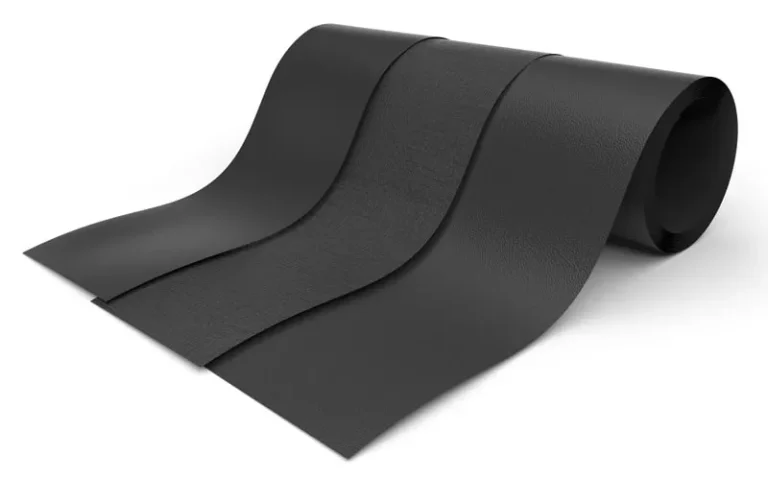
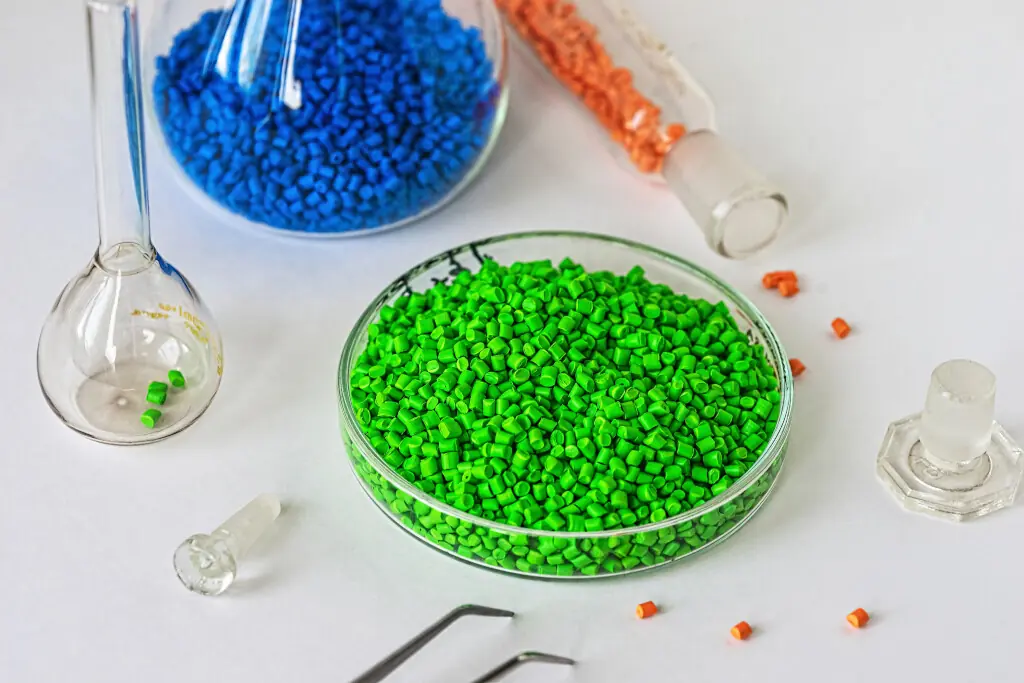
This is the primary application area for plasticizers used in the processing of plastics such as polyvinyl chloride polyethylene and polypropylene. For example flexible polyvinyl chloride products including wire and cable sheaths films and artificial leather plastic toys and food packaging materials all rely on the addition of plasticizers to achieve the required softness and plasticity.
2.Construction and Building Materials Sector
Plasticizers are incorporated into products like waterproof coatings sealants wallpapers and floor coverings. They enhance the weather resistance adhesion and flexibility of these materials enabling them to adapt to temperature variations in different environments and extend their service life.
3.Medical and Daily Necessities
In medical products such as infusion tubes blood bags and disposable gloves plasticizers that meet medical standards are selected to ensure the materials are non toxic flexible and compatible with human contact requirements. They are also used in daily and industrial consumables including rubber products coatings and printing inks.
Types of Plasticizers
Based on chemical structure performance and application scenarios plasticizers are mainly divided into the following categories each of which meets the needs of different products:
Phthalate Plasticizers
These are the most widely used and cost effective traditional plasticizers such as DOP and DINP suitable for general flexible polyvinyl chloride products. However due to environmental compliance issues the use of some types is restricted in food packaging and medical fields.
Non Phthalate Plasticizers
These are environmentally friendly plasticizers including citrate esters epoxy esters and adipates. Non phthalate plasticizers are non toxic and eco friendly complying with the compliance standards of the EU the United States and other regions. They are widely used in food contact materials medical products and children’s toys.
Special Function Plasticizers
Developed for special requirements such as high temperature resistance weather resistance and oil resistance products like polyester plasticizers are characterized by low migration and strong extraction resistance. They are suitable for applications such as automotive parts and high end seals.
How Plasticizers Work
The fundamental function of plasticizers is to disrupt the hydrogen bonds and van der Waals forces between polymer molecules forming a plasticizer polymer composite system. When plasticizers are added to polymers their molecules disperse evenly between the polymer molecular chains weakening the cohesion of the molecular chains and making the chains more prone to sliding. This process not only lowers the glass transition temperature of the polymer keeping the material flexible at room temperature but also reduces the melt viscosity during processing improving molding efficiency.
How to Choose the Right Plasticizers?
Selecting plasticizers should be based on polymer type product application compliance requirements and cost budget with the core considerations as follows:
Matching by Polymer Type
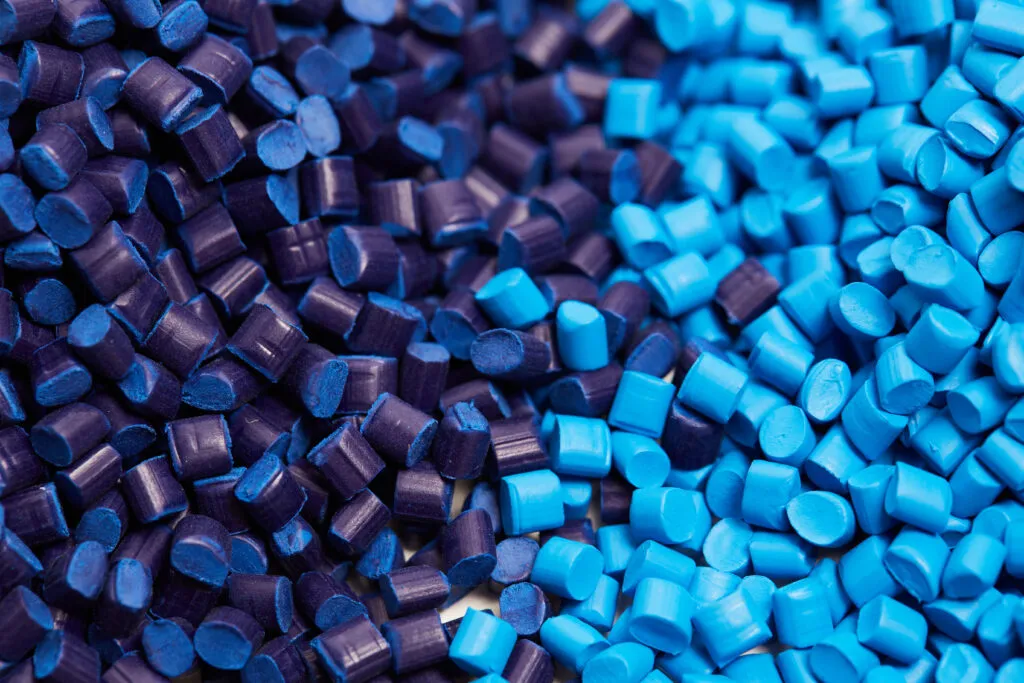
Different polymers have varying compatibility with plasticizers. For polyvinyl chloride phthalate esters and citrate esters are preferred. While epoxy esters are suitable for rubber products. This ensures uniform dispersion of plasticizers and prevents migration.
Considering Application Scenario Requirements
For food and medical applications non toxic and eco friendly compliant plasticizers that meet international standards such as FDA and REACH should be selected. For high temperature and outdoor applications weather resistant and heat resistant polyester or epoxy plasticizers are the ideal choice.
Balancing Performance and Cost
Cost effective traditional plasticizers are suitable for general consumer products. While environmentally friendly plasticizers are prioritized for high end products with strict compliance requirements. At the same time plasticizing efficiency should be taken into account to avoid cost increases and product performance degradation caused by excessive addition.
Frequently Asked Questions (FAQs)
Q: Can plasticizers migrate into food?
A: There is a slight risk of migration and the key factors lie in the type and dosage of plasticizers. Selecting food grade plasticizers that meet FDA and REACH standards controlling the addition ratio and avoiding high temperature contact can reduce migration and ensure compliance with food safety limit requirements.
Q: Are environmentally friendly plasticizers less effective than traditional ones?
A: This is not the case. High quality environmentally friendly plasticizers such as citrate esters are comparable to traditional types in terms of flexibility and processability. They are also non toxic and low in migration with only some varieties having slightly higher costs. Choosing the right product for the specific application scenario can achieve both environmental friendliness and performance.
Q: Is more plasticizer always better?
A: No. Excessive addition can lead to plasticizer migration reduced product strength increased compliance risks and higher costs. It is necessary to determine the optimal addition ratio through tests based on polymer type and product requirements to balance performance and safety.
Q: Are there special requirements for plasticizer storage?
A: Plasticizers should be stored sealed in a cool and dry place away from fire sources high temperatures and oxidants and protected from direct sunlight. Different types of plasticizers should be stored separately to prevent contamination from mixing. Storage containers should be kept clean and their tightness should be checked regularly to prevent volatilization and moisture absorption.
Q: Are plasticizers toxic to humans?
A: It depends on the type. Compliant and environmentally friendly plasticizers such as citrate esters are basically non toxic and meet human contact standards. Excessive exposure to some traditional phthalate based plasticizers may pose risks. It is necessary to strictly select products according to application scenarios control the addition amount and follow international compliance requirements.