Welcome to ExtruderX Extrusion Machine Manufacturing Facility

What is Polymerization? A Guide to Plastic Polymerization
Polymerization reaction is the core process in which small-molecule monomers are linked via chemical bonds to form macromolecular polymers, and it serves as the foundation for the creation of polymer materials such as plastics. Understanding this process enables a clear comprehension of the characteristics and application logic of various materials. This article will break down the definition, reaction mechanisms, types, polymer categories and industrial value of polymerization reaction.
What Is Polymerization Reaction?
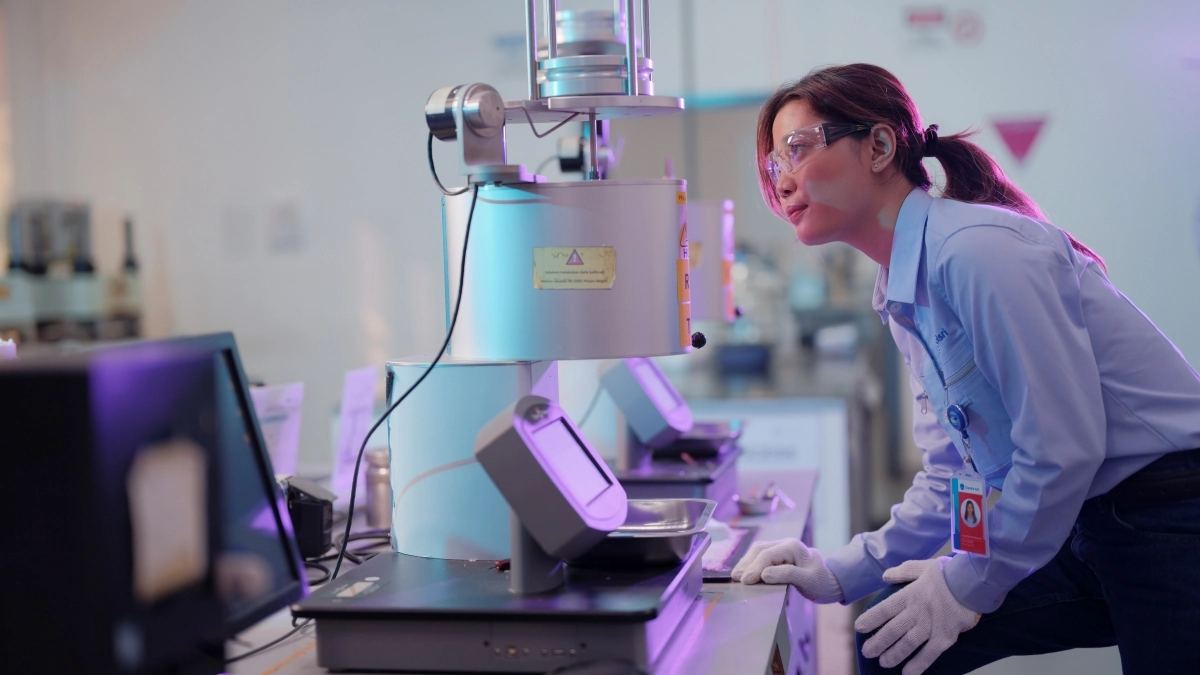
Polymerization reaction is a type of chemical reaction whose core is the process of connecting a large number of structurally simple low molecular weight compounds known as monomers to form high molecular weight and structurally stable macromolecular compounds known as polymers or high polymers via covalent bonds.This process is analogous to building various shapes and large-scale structures with countless identical or different building blocks. Monomers are the building blocks while polymers are the final finished structures. Polymerization reaction is the cornerstone of the polymer materials industry. The plastics rubbers chemical fibers and other materials we come into contact with in daily life are essentially products of polymerization reactions.
How Does Polymerization Occur?
Polymerization does not happen randomly. It requires specific conditions and follows certain reaction rules. Its basic process can be divided into three core stages, with appropriate external conditions as essential support.
Prerequisite Conditions for the Reaction
The initiation and progression of polymerization generally require specific external assistance. Common conditions fall into three categories. First are initiators, which act as the “switches” for most polymerization reactions. They can break the stable structure of monomers and trigger their linkage. Second are temperature and pressure. Different polymerization reactions demand distinct temperature and pressure environments. For instance, some production processes for polyethylene require high temperature and high pressure conditions. Third are catalysts, which can accelerate the reaction rate while controlling the structure and properties of the resulting polymers.
Three Core Stages of Polymerization
1.Initiation Stage: Under external conditions such as heating or light irradiation, initiators generate active centers. These active centers attack monomer molecules, break their chemical bonds and form “monomer active species” with active sites, laying the groundwork for subsequent chain propagation.
2.Propagation Stage: The monomer active species with active sites continuously combine with other monomer molecules, gradually lengthening the molecular chain. This stage is the key to the rapid increase in polymer molecular weight, proceeding until the molecular chain reaches a specific scale.
3.Termination Stage: Polymerization stops when the active sites of the molecular chain disappear. There are two main termination methods. One is the combination of two active molecular chains to form stable macromolecules. The other is the structural change of active sites, which makes them lose the ability to continue reacting.
Types of Polymerization Reactions
Based on differences in reaction mechanisms and product structures, the most widely used polymerization reactions in industry are mainly divided into two categories, which exhibit distinct differences in reaction processes and product characteristics.
Addition Polymerization
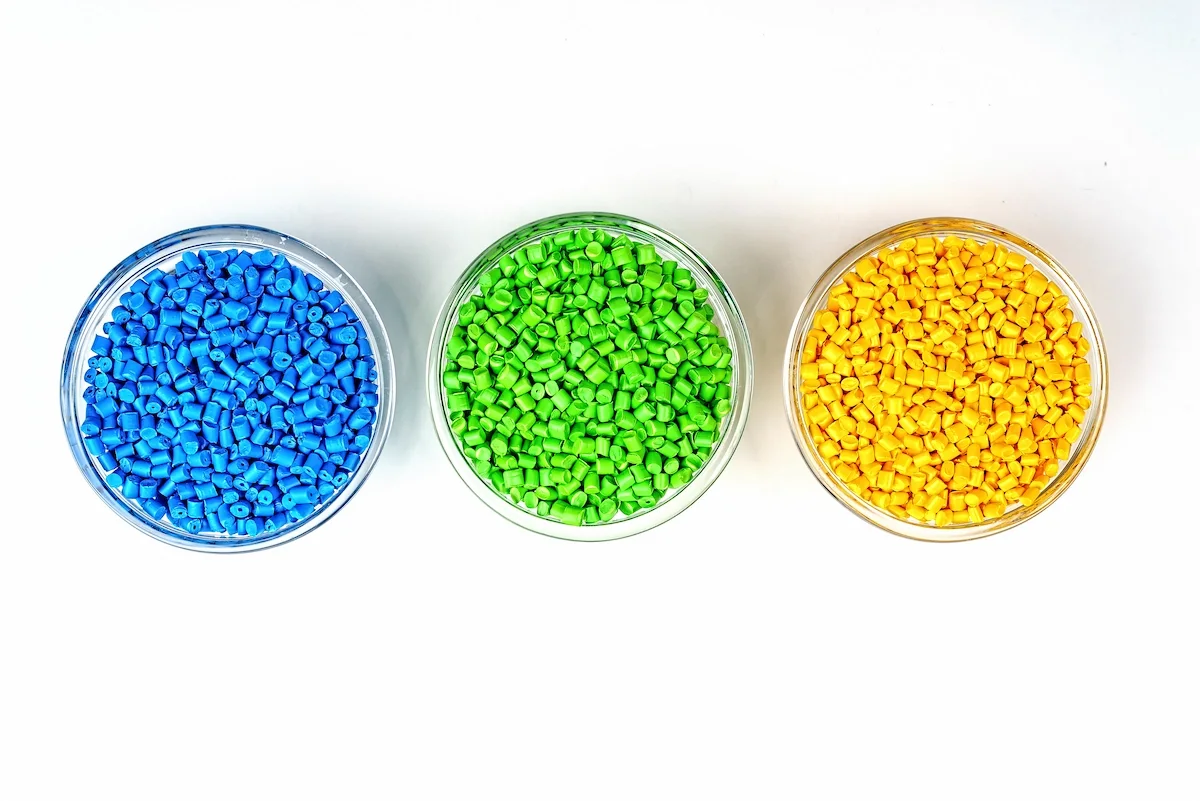
Addition polymerization, also referred to as addition polyreaction, is characterized by the absence of small molecule byproducts during the reaction. Monomer molecules are directly linked into polymers through addition reactions. Monomers involved in addition polymerization typically contain unsaturated bonds, such as carbon-carbon double bonds and carbon-carbon triple bonds.
The molecular chain structure of products from addition polymerization is highly correlated with the structure of the monomers. Common examples include polyethylene (formed by addition polymerization of ethylene monomers), polypropylene (formed by addition polymerization of propylene monomers), and polystyrene. These reactions feature relatively fast reaction rates and high product purity.
Condensation Polymerization
Condensation polymerization, also known as condensation polyreaction, differs from addition polymerization in that small molecule byproducts are generated during the reaction. Common byproducts include water, methanol, and hydrogen chloride. Monomers involved in condensation polymerization typically contain two or more functional groups, such as hydroxyl, carboxyl, and amino groups.
During the reaction, monomers are linked to each other through condensation reactions of their functional groups, while eliminating small molecule byproducts. Common condensation polymerization products include polyesters (formed by condensation of diols and dicarboxylic acids, with water as a byproduct), nylon (formed by condensation of diamines and dicarboxylic acids, with water as a byproduct), and phenolic resins. The molecular chain ends of condensation polymerization products usually retain unreacted functional groups, allowing for further reactions.
Types of Polymers
Polymers are available in a wide variety of types. They can be categorized into different classes based on various classification criteria. Below are two of the most common and practically valuable classification methods.
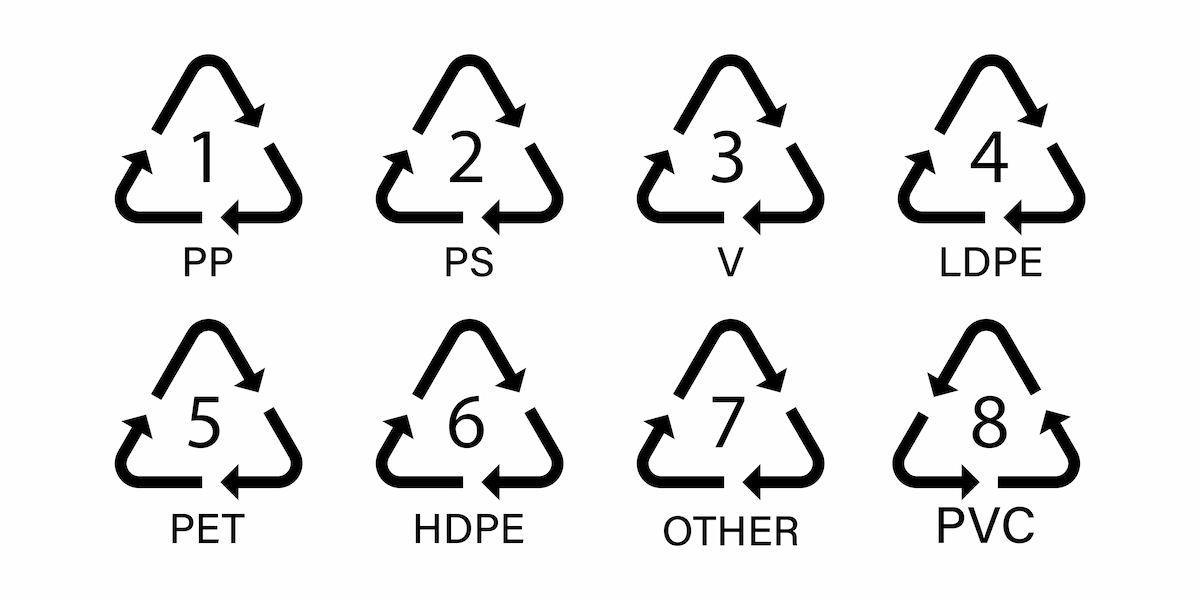
Classification by Raw Material Source
Natural Polymers: These refer to polymers that occur naturally in the environment and serve as essential components of living organisms. Common examples include starch, cellulose which exists in plants, proteins the basic substances that make up living organisms and natural rubber derived from the sap of rubber trees. Such polymers generally exhibit excellent biocompatibility and biodegradability.
Synthetic Polymers: These are polymers produced through artificial chemical synthesis and represent the most widely used category in industrial production and daily life. Common synthetic polymers include polyethylene, polypropylene, polyvinyl chloride, polyester and nylon. The properties of these polymers can be custom tailored by adjusting polymerization reaction conditions to meet the requirements of different application fields.
Classification by Material Properties and Processing Characteristics
Thermoplastic Polymers: These polymers feature a reversible property of softening when heated and hardening when cooled. They can be reshaped repeatedly by reheating after initial molding. Their molecular chains typically have a linear or branched structure, with intermolecular connections mainly relying on van der Waals forces. Common thermoplastic polymers include polyethylene, polypropylene and polystyrene. They offer flexible processing options and can be shaped through various techniques such as injection molding, extrusion and blow molding.
Thermosetting Polymers: These polymers undergo crosslinking reactions when heated or in the presence of curing agents, forming a three dimensional network structure. Once molded, they cannot be softened or reshaped even when reheated. They boast strong structural stability along with high temperature resistance and chemical corrosion resistance. Common thermosetting polymers include phenolic resin, epoxy resin and polyurethane. They are widely used in manufacturing high temperature resistant components, insulating materials and adhesives.
Importance of Polymers to the Industry
With advantages such as light weight, durability, ease of processing and controllable costs, polymer materials have penetrated nearly all industrial sectors and become one of the key materials driving the development of modern industry. Their importance is mainly reflected in the following aspects.
In the packaging industry, polymers such as polyethylene, polypropylene and polyvinyl chloride are core raw materials for manufacturing plastic bags, plastic bottles and food packaging boxes. These materials can not only effectively protect products and extend shelf life, but also reduce transportation costs through lightweight design. Meanwhile, some recyclable polymers can also meet the needs of environmental protection development.
In the automotive industry, the application of polymer materials has greatly promoted the lightweight process of automobiles. Components such as bumpers, dashboards and seat frames can all be made of modified plastics. Compared with traditional metal materials, modified plastics can significantly reduce vehicle weight, thereby improving fuel efficiency and reducing exhaust emissions. In addition, rubber based polymers are also widely used in manufacturing key components such as tires and seals.
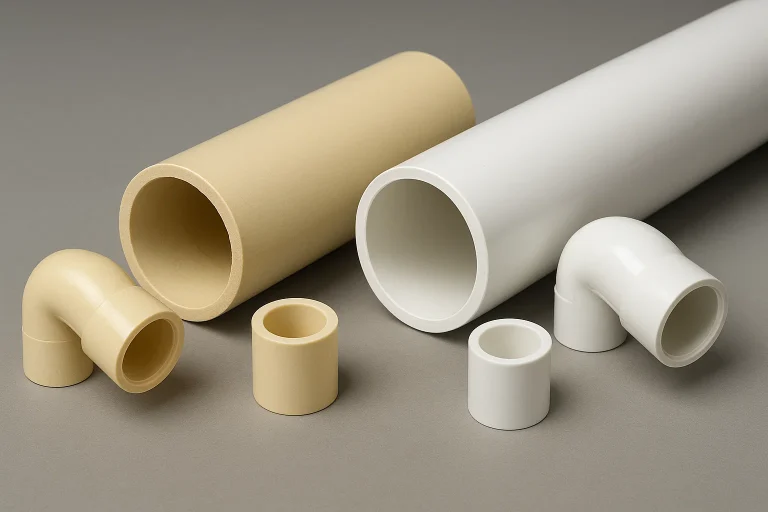
In the construction industry, polymer materials play an irreplaceable role. Polyurethane foam can be used for wall thermal insulation. Polyvinyl chloride pipes have the characteristics of corrosion resistance and aging resistance, making them common materials for water supply and drainage systems. Epoxy resin can be used for floor coatings and construction adhesives to enhance the durability and functionality of buildings.
In the electronics industry, polymer materials with insulation and high temperature resistance properties are core raw materials for manufacturing circuit boards, electronic casings and wire and cable insulation layers, providing guarantees for the safe operation of electronic equipment. At the same time, the development of flexible polymer materials has also laid the foundation for the research and development of emerging electronic products such as flexible screens and wearable devices.In addition, polymer materials are widely used in fields such as medical care, aerospace and agriculture. With the continuous innovation of polymerization technology, their importance in industrial sectors will continue to increase.
Frequently Asked Questions (FAQ)
Q: What are the main causes of unstable molecular weight in polymerization products?
A: The primary causes include fluctuations in reaction temperature and pressure, uneven dosage ratio of initiators, or insufficient purity of monomer raw materials. It is necessary to precisely control reaction parameters, select high purity monomers, and monitor the molecular chain growth process in real time to ensure consistent product performance.
Q: How to effectively reduce side reactions such as branching and crosslinking in addition polymerization?
A: Side reaction probability can be reduced by strictly controlling the reaction temperature to avoid local overheating, selecting suitable high efficiency initiators to shorten the reaction cycle, and controlling monomer concentration to reduce the collision probability of active chains.
Q: Why do some finished polymers exhibit poor temperature resistance and susceptibility to aging?
A: This is closely related to the incomplete degree of polymerization reaction and excessively broad molecular weight distribution of the product. During production, it is essential to ensure the full progress of the reaction, optimize the molecular weight distribution, and add antioxidants and heat stabilizers to enhance material durability.
Q: Can the products of condensation polymerization be directly used in subsequent processing?
A: Direct use is not recommended. It is necessary to first remove residual small molecule byproducts through a devolatilization process, followed by drying treatment, to prevent residual substances from affecting the molding effect of subsequent processing and the mechanical properties of the final product.