Welcome to ExtruderX Extrusion Machine Manufacturing Facility

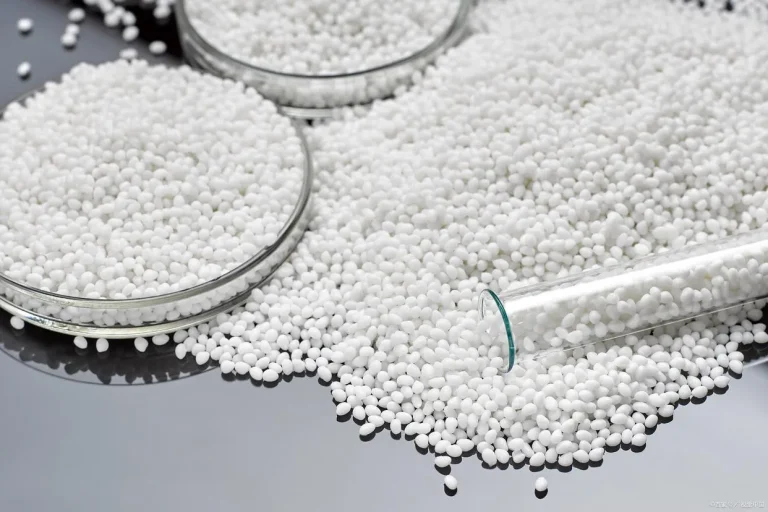
What is Polyvinyl Chloride? A Comprehensive Guide to PVC
In the global plastics industry, Polyvinyl Chloride (PVC) stands as one of the most widely used materials. It permeates nearly every aspect of daily life and industrial production, spanning categories from construction materials and household goods to medical equipment and automotive components. Understanding PVC’s fundamental nature, classifications, manufacturing processes and key properties not only helps us select related products rationally, but also enables us to form an objective view of its safety profile and application value. Starting with basic definitions, this article will break down core knowledge about PVC step by step, address common questions, and present an accessible yet practical comprehensive guide to PVC.
What is Polyvinyl Chloride (PVC)?
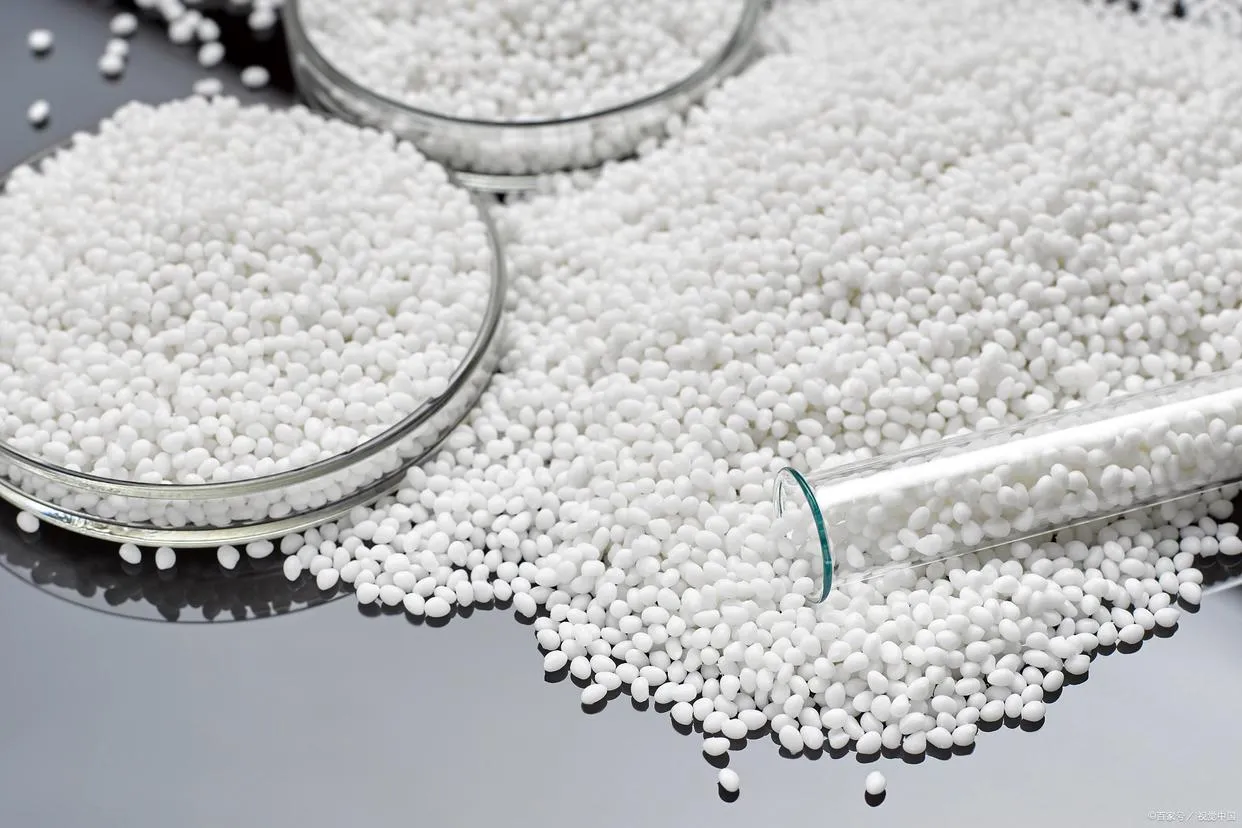
Polyvinyl Chloride, commonly referred to as PVC, is a thermoplastic resin produced through the polymerization reaction of vinyl chloride monomer (VCM). It is also the second highest yielding general-purpose plastic in the world, second only to polyethylene. Its chemical formula is (C₂H₃Cl)ₙ. The molecular structure contains chlorine atoms, a characteristic that distinguishes it from other plastics while endowing it with unique physical and chemical properties.
The core advantage of PVC lies in its exceptional cost-performance ratio. Its raw materials are easily accessible and its production processes are well-established. Moreover, its properties can be flexibly adjusted by adding different additives to suit diverse application scenarios. Compared with other plastics, PVC has a chlorine content of as high as 56%, which gives it excellent flame retardancy and chemical resistance. These are the key reasons for its widespread application across numerous industrial sectors.
Types of Polyvinyl Chloride (PVC)
Based on the presence and dosage of plasticizers added during the processing stage, PVC is primarily categorized into two major types: rigid PVC and flexible PVC. These two variants exhibit distinct differences in properties and applications, catering to a wide range of usage scenarios.
Rigid Polyvinyl Chloride (RPVC)
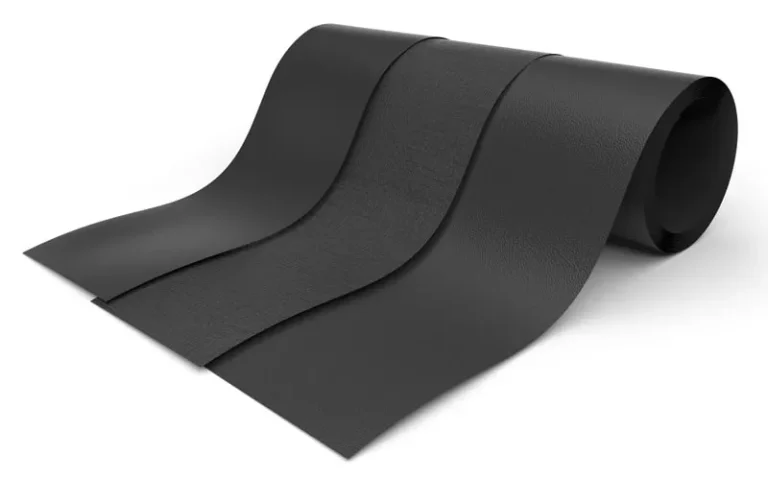
Rigid PVC generally contains no plasticizers or only a minimal dosage, with the additive amount not exceeding 5%. As a result, it boasts high strength, high rigidity and excellent dimensional stability, along with outstanding wear resistance and aging resistance. Its tensile strength ranges from 50 to 70 MPa, nearly one tenth that of steel, while its density is only one fifth of steel’s. This makes it an ideal lightweight alternative to metal materials. Common applications include construction pipes, door and window profiles, plastic sheets, food packaging containers and industrial corrosion resistant equipment.
Flexible Polyvinyl Chloride (FPVC)
Flexible PVC requires the addition of a substantial amount of plasticizers, with the dosage ranging from 15% to 40%. These additives reduce intermolecular forces, thereby endowing the material with flexibility, elasticity and plasticity. The type and dosage of plasticizers directly affect the flexibility, cold resistance and safety of flexible PVC. It is widely used in daily necessities such as PVC films, raincoats, gloves, wire and cable sheaths, toys and medical infusion tubes. Additionally, certain food grade flexible PVC products can be applied in food contact packaging.
Applications of Polyvinyl Chloride (PVC)
With customizable properties and cost effective pricing, PVC boasts an extremely broad range of applications across industries worldwide. It is one of the few plastic materials that can be deployed for large scale use across multiple sectors. Below is an overview of its core application fields.
Construction Sector
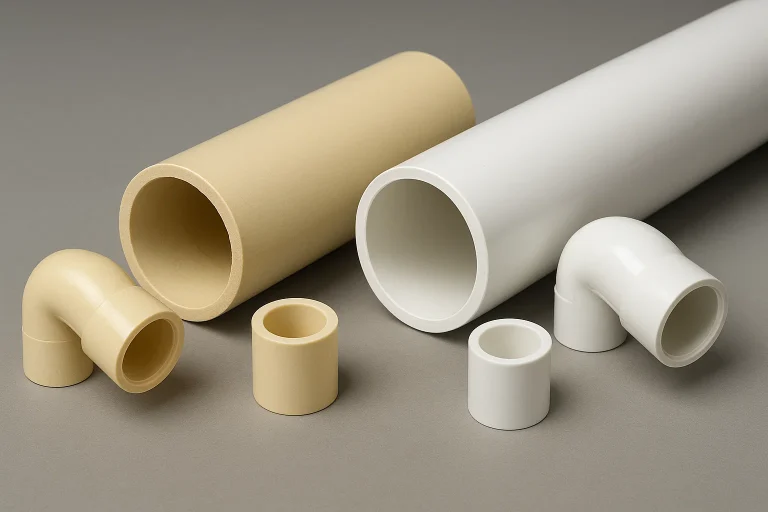
The construction industry is the largest application sector for PVC, accounting for more than 40% of global PVC consumption volume. Rigid PVC pipes are used for water supply and drainage as well as gas transmission. They offer advantages such as corrosion resistance, aging resistance, easy installation and a long service life of up to 50 years, gradually replacing traditional metal pipes. PVC door and window profiles deliver excellent thermal insulation and airtightness, effectively reducing building energy consumption. In addition, PVC waterproof membranes, floor coverings and decorative panels are also widely used in building renovation and decoration projects.
Daily Consumer Goods Sector
Flexible PVC is extensively used in daily necessities. For instance, PVC films are applied in food packaging and food wrap; PVC gloves are suitable for household chores, catering services and light duty protection; PVC artificial leather is used for clothing, luggage and furniture upholstery. Meanwhile, some children’s toys and stationery items such as erasers and file folders are made from flexible PVC that meets safety standards, striking a balance between flexibility and durability.
Industrial and Specialized Sectors
In the industrial sector, PVC is used to manufacture corrosion resistant storage tanks, ventilation ducts, electroplating equipment and more. In the automotive industry, PVC is utilized for door interiors, dashboard skins and wire and cable sheaths, providing wear resistance, flame retardancy and insulation performance. In the medical field, PVC that complies with medical standards can be processed into infusion tubes, blood bags, urinary catheters and other products. It features good biocompatibility and ease of sterilization, though strict control over plasticizer content is essential.
How is PVC Plastic Manufactured?
The manufacturing process of PVC consists of three core stages: raw material preparation, polymerization reaction, and post treatment and processing. The overall process is well established and large scale, with mainstream global production technologies achieving high efficiency and low pollution.
Step 1: Raw Material Preparation (Production of Vinyl Chloride Monomer VCM)
The core raw material for PVC production is vinyl chloride monomer (VCM), which is mainly produced via the ethylene method or the acetylene method. Currently, the ethylene method dominates the global market: ethylene, a byproduct of petroleum cracking, reacts with chlorine gas to produce ethylene dichloride, which is then thermally cracked to generate VCM and hydrogen chloride. The hydrogen chloride can be recycled for reuse. The acetylene method, on the other hand, uses coal as the raw material to produce acetylene through calcium carbide, which then undergoes an addition reaction with hydrogen chloride to form VCM. This method is suitable for regions abundant in coal resources.
Step 2: Polymerization Reaction (Production of PVC Resin)
Purified VCM monomer is placed in a reactor, and additives such as initiators and dispersants are added. Polymerization is then carried out via one of three methods: suspension polymerization, emulsion polymerization, or bulk polymerization. Among these, suspension polymerization accounts for over 80% of global PVC production capacity. During the reaction process, VCM monomers polymerize into PVC resin particles. After the reaction is completed, centrifugal separation and washing are performed to remove residual additives and unreacted VCM, resulting in wet PVC resin.
Step 3: Post Treatment and Processing
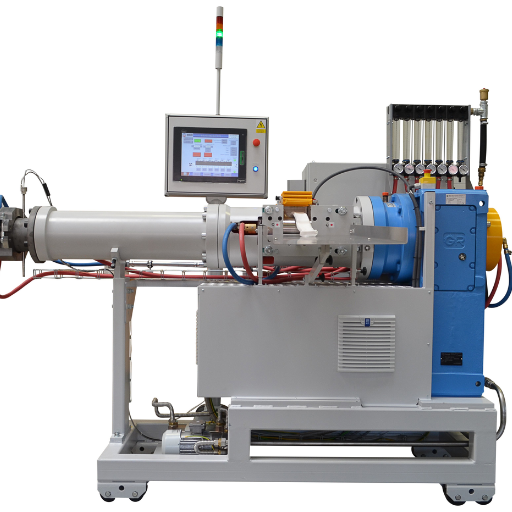
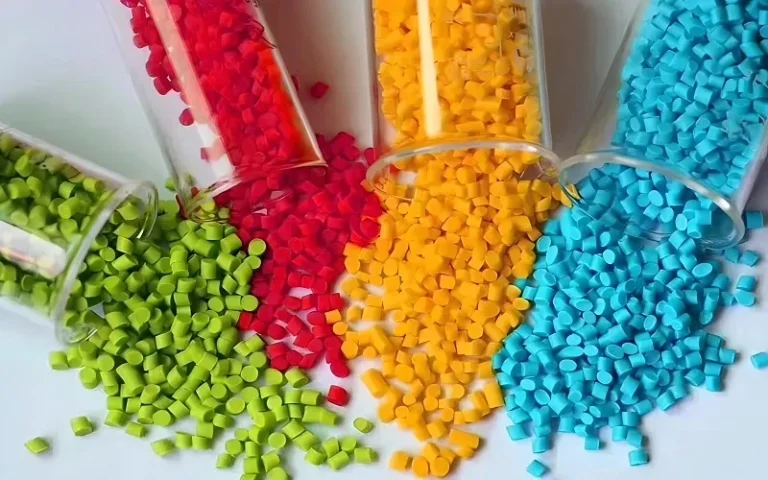
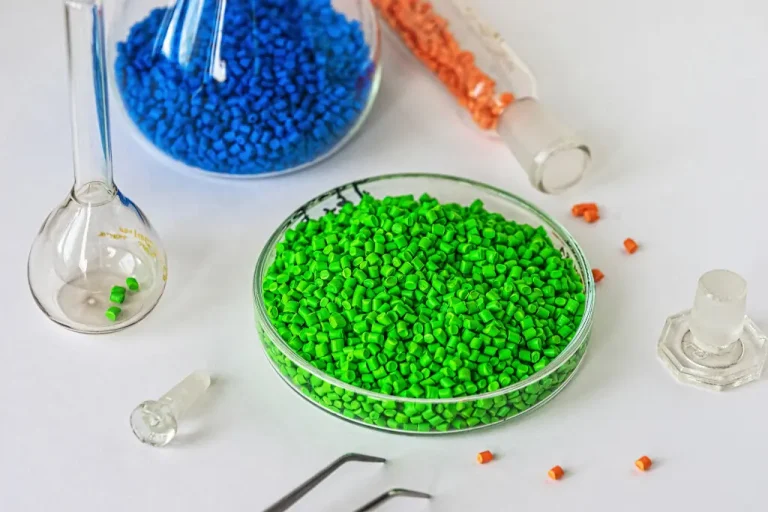
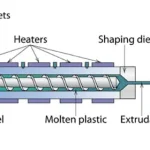
After the wet PVC resin is dried, additives including plasticizers, stabilizers, lubricants, and colorants are incorporated according to product requirements. The mixture is thoroughly blended to create PVC compound. This compound is then processed using techniques such as extrusion, injection molding, calendering, and blow molding to produce final products like pipes, profiles, films, and various goods, catering to the application needs of different industries.
Properties of Polyvinyl Chloride (PVC) Plastic
The properties of PVC are jointly determined by its molecular structure and the types of additives used. It boasts both distinct strengths and inherent limitations. Understanding these properties can help us select and use PVC products more rationally.
Core Strengths
First, it offers an excellent cost performance ratio. With low raw material costs and high production efficiency, its price is far lower than that of engineering plastics such as nylon and polycarbonate for comparable performance. Second, it has superior corrosion resistance. It demonstrates good tolerance to chemical substances like acids, alkalis and salts, making it suitable for outdoor and industrial corrosive environments. Third, it features impressive flame retardancy. The presence of chlorine atoms gives it a high oxygen index, meaning it is not easily flammable and does not require the addition of large amounts of extra flame retardants. Fourth, it has outstanding processability. It can be manufactured into products of various forms—rigid, flexible, transparent or colored—through different processing techniques.
Key Limitations
First, it has poor heat resistance. The recommended maximum continuous service temperature should not exceed 60°C. At high temperatures, it tends to decompose and release hydrogen chloride gas, which impairs both its performance and safety. Second, it has insufficient toughness at low temperatures. Rigid PVC is prone to becoming brittle and cracking at temperatures below -10°C, a drawback that can be mitigated by adding impact modifiers. Third, some flexible PVC products rely heavily on plasticizers. If non environmentally friendly plasticizers are used, there may be a risk of plasticizer migration, so strict compliance with safety standards is essential.
Is Polyvinyl Chloride (PVC) Harmful to Humans?
PVC itself is non toxic, but the safety of PVC products depends on the types of additives used, production processes and application scenarios. Compliant PVC products are harmless to humans under normal usage conditions, so there is no need for undue concern.
Safe Scenarios and Prerequisites
PVC products that meet international standards such as the EU’s REACH and the U.S. FDA requirements—especially food contact grade and medical grade PVC—utilize environmentally friendly plasticizers like epoxidized soybean oil and citrate esters, with strict controls on harmful substance residues. When used normally, such as in food packaging or medical infusion applications, these products do not release toxic substances and pose no threat to human health.
Potential Risks and Mitigation Measures
The potential risks associated with PVC stem from two main sources. First, inferior quality products may use non environmentally friendly plasticizers such as phthalate esters, which could interfere with the endocrine system upon prolonged exposure. Second, when PVC products are exposed to high temperatures exceeding 80°C, burned or decomposed due to aging, they may emit toxic gases including hydrogen chloride and dioxins. The key to mitigating these risks is to choose products from compliant brands, avoid using PVC containers to hold high temperature food items, and ensure proper disposal of waste PVC products without incineration.
Frequently Asked Questions (FAQs)
Q: Is PVC recyclable?
A: Yes, it is. Its recycling code is 3. Recycled PVC can be processed into pipes, floor tiles and other products. However, due to its chlorine content and variations in additives, PVC is more difficult to recycle than PE and PP and requires classified disposal. Mature mechanical and chemical recycling technologies are available globally.
Q: Is food contact grade PVC safe?
A: Yes, it is. Food grade PVC that meets EU REACH and U.S. FDA standards uses environmentally friendly plasticizers with no harmful substance residues. It does not release toxins under normal use, making it suitable for scenarios like food packaging and food wrap. Simply avoid contact with high temperatures.
Q: Does plasticizer migrate from flexible PVC?
A: Migration may occur in inferior products. Using environmentally friendly plasticizers such as citrate esters, combined with stabilizers, can reduce this risk. Compliant flexible PVC has extremely low migration levels when used at room temperature, meeting safety standards. It is not suitable for long-term contact with high-temperature or oily foods.
Q: What are the differences between PVC, PE and PP?
A: PVC contains chlorine atoms, offering stronger flame retardancy and corrosion resistance, and its hardness can be adjusted by adding plasticizers. PE and PP have no chlorine, featuring slightly better heat resistance but poor flame retardancy. PVC has a higher cost-performance ratio, while PE and PP are more suitable for high-temperature scenarios and those with frequent food contact.
Q: Is PVC combustion highly hazardous?
A: Yes, it is. Burning PVC releases toxic gases such as hydrogen chloride and dioxins, which pollute the environment and endanger health. Avoid incinerating PVC waste in daily life. Dispose of it through professional recycling organizations after use. The flame retardancy of compliant products can reduce fire risks.