Welcome to ExtruderX Extrusion Machine Manufacturing Facility

What is a Twin Screw Compounding Extruder?
The twin screw compounding extruder is a core piece of equipment for plastic modification, functional masterbatch production, and composite material manufacturing. It directly determines the performance stability of downstream products. This article is intended for distributors and plastic production enterprises, addressing the question “What is a twin screw compounding extruder?” while providing a detailed explanation of its definition, applications, and advantages. It aims to help users make accurate equipment selections and expand their business operations.
What is a twin screw compounding extruder?
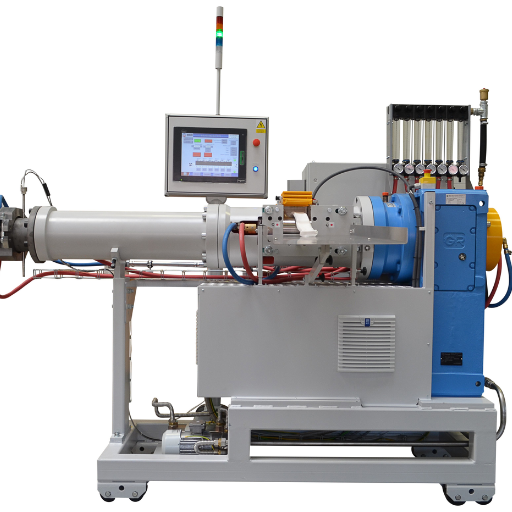
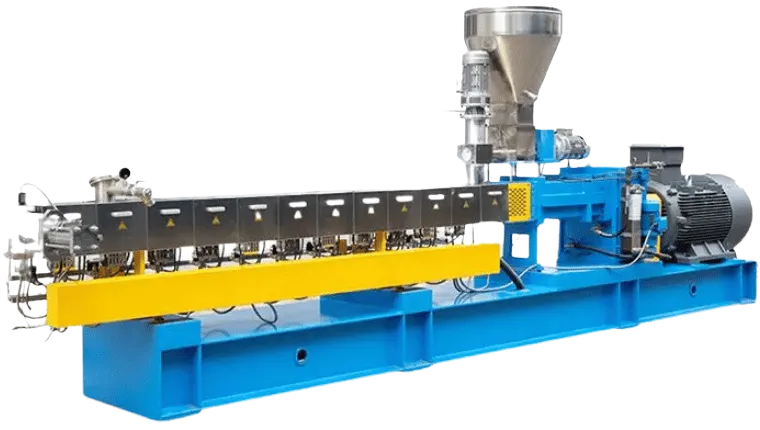
A twin screw compounding extruder is a specialized plastic processing equipment designed specifically for composite material preparation. Through the coordinated rotation (in the same or opposite directions) of two parallel or conical screws inside a heated barrel, it fully conveys, melts, shears, and kneads plastic substrates (such as PP, PE, and PVC resins) with functional additives (antioxidants, flame retardants) and fillers (glass fibers, calcium carbonate). Ultimately, it extrudes composite materials with high uniformity and stable performance, serving as a key equipment for achieving “modification and upgrading” of plastics.
Its core components and their functions are as follows:
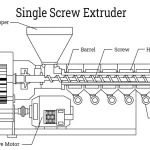
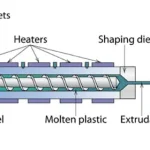
Screws: The core functional components, divided into a feeding section (for conveying raw materials), a compression section (for compacting and melting), and a metering section (for precise quantity control). The tooth profile and pitch are optimized to enhance shearing and mixing effects.
Barrel: Cooperates with the screws to control temperature. Its inner wall is equipped with a wear-resistant alloy bushing, which resists high pressure and high temperature and extends the equipment’s service life.
Feeding system: Adopts frequency-converted screw/belt feeding to ensure uniform delivery of raw materials and prevent bridging.
Control system: Equipped with a PLC touchscreen to precisely control rotation speed, temperature, and feeding volume, supporting data storage and traceability.
Core Functions and Applications of Twin-Screw Compounding Extruders
Core Functions
High-efficiency mixing and dispersion: Uniformly disperses micro-additives (such as color powders, anti-UV agents) or large-volume fillers into resins, avoiding product defects caused by uneven local concentration.
Material performance modification: Achieves “reinforcement modification” by adding glass fibers and “flame-retardant modification” by adding flame retardants, improving plastic properties such as strength and weather resistance.
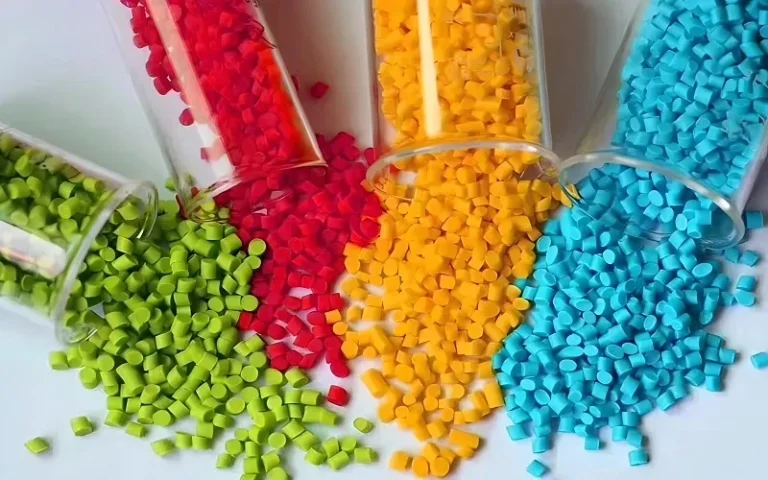
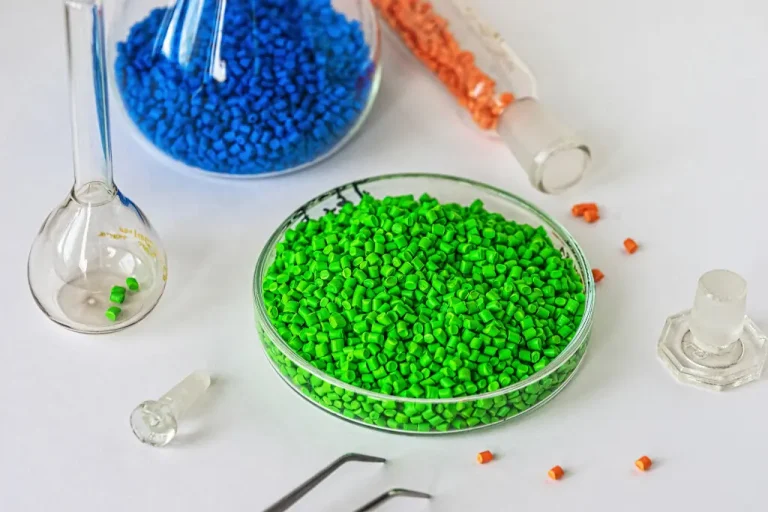
Waste plastic recycling: Purifies, removes impurities from, and re-compounds waste materials (such as PP/PE/ABS), producing recycled composite pellets and reducing raw material costs.
Key Application Scenarios
Automotive industry: Produces reinforced modified PP (for automotive bumpers, instrument panels) and flame-retardant PA (for wire harness sleeves).
Electronics industry: Prepares antistatic ABS masterbatches (for electronic enclosures) and high-temperature resistant PC/ABS alloy materials (for connectors).
Packaging industry: Manufactures high-barrier composite resins (for food packaging films) and antibacterial PE masterbatches (for medical packaging).
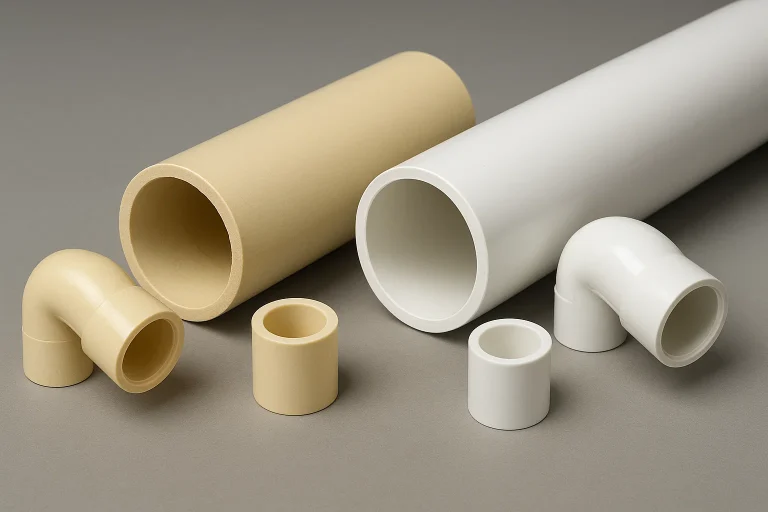
Building materials industry: Compounds PVC Ca-Zn stabilizer systems to produce special pellets for UPVC pipes and profiles.
Advantage Comparison of Twin-Screw Compounding Extruders with Other Types of Extruders
| Comparative Equipment Type | Core Advantages of Twin Screw Compounding Extruders (vs. This Type) |
|---|---|
| Single Screw Extruders | 1. Supports mixing of 3 or more components (single screw extruders only adapt to 2 or fewer components), with multi-component uniformity improved by 30%; 2. Controllable shear force, suitable for heat-sensitive materials such as PVC and PC, reducing decomposition risk; 3. Production stability of ±2% (single screw extruders: ±5%), minimizing batch variation. |
| Standard Twin Screw Extruders (Non-Compounding Type) | 1. Screws feature a compounding-specific design (smaller pitch, longer shear section), with dispersion uniformity of composite materials improved by 25%; 2. Capable of withstanding 60% high filler addition (standard twin screw extruders: only 40%); 3. Equipped with standard dual venting sections to reduce volatile components in materials, improving product purity by 15%. |
Core Advantages of ExtruderX Twin Screw Compounding Extruders
As a manufacturer focused on extruder R&D, ExtruderX’s twin screw compounding extruders create value for B2B users from multiple dimensions: cost, quality, and service.
Pricing Advantages
- Factory-direct supply with no middlemen, so equipment quotes are 20%-30% lower than imported brands;
- Tiered pricing is available for bulk orders (3 units or more), reducing dealer procurement costs by an additional 5%-8%.
Quality Assurance
- Screws are made of 38CrMoAlA alloy and undergo nitriding treatment (hardness: HV900+), with the service life of core components being 1.5 times longer than the industry average;
- A 72-hour no-load test is conducted before delivery to ensure a 100% qualification rate for initial startup.
Service Support
- Free on-site operation training (including process debugging) is provided; after-sales support for overseas customers is responded to within 48 hours;
- Screw structures can be customized based on user formulas (e.g., high glass fiber content, heat-sensitive materials).
Dealer Empowerment
- Free product brochures and technical manuals are provided to assist in explaining compounding advantages to end customers;
- Potential customer lead distribution is offered (with priority given to exclusive regional dealers).
For equipment specifications or quotes, please send your requirements to [email protected]. We will arrange a professional consultant to connect with you within 12 hours.