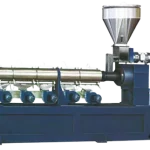
Welcome to ExtruderX Extrusion Machine Manufacturing Facility

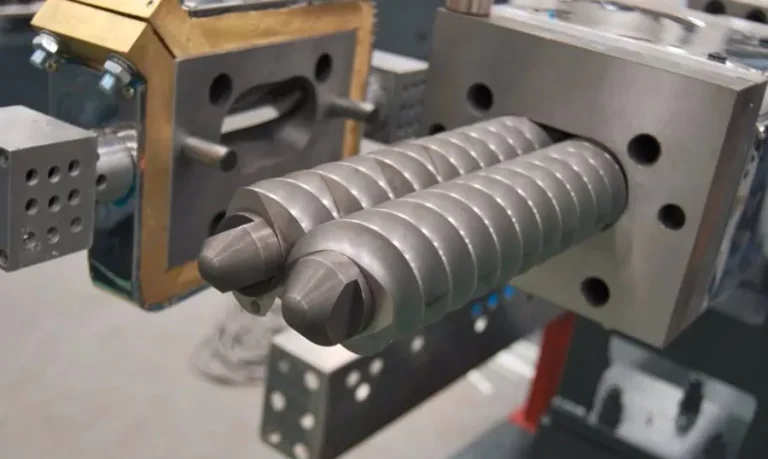
Basic Understanding of Twin Screw Extruder Types & Definitions
Twin screw extruders are indispensable core equipment in the plastic processing industry. Understanding their basic knowledge and all types can help enterprises effectively purchase equipment that meets their needs, and also assist distributors in better serving their customers. This article systematically organizes the basic knowledge and definitions of twin screw extruders, and compiles all types of twin screw extruders. We hope this article will be helpful to your business.
Twin Screw Extruders: Basic Understanding and Core Definition
Before delving into the types and applications of twin screw extruders, establishing a clear basic understanding and grasping their core definition is a prerequisite for avoiding discrepancies in business communication and product recommendations. For distributors, mastering this knowledge enables you to quickly respond to end customers’ basic inquiries and build a professional image.
What is a Twin Screw Extruder?
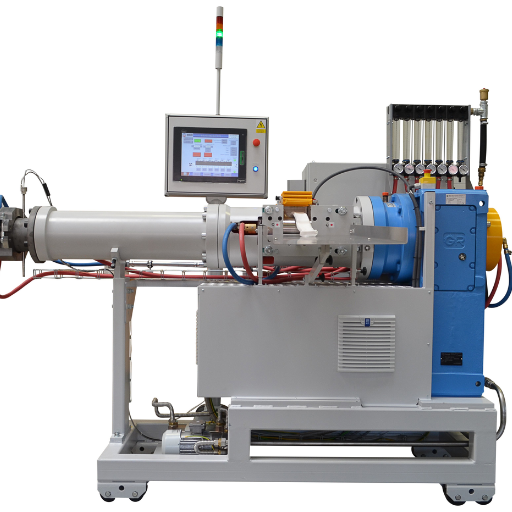
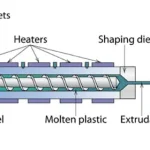
A twin screw extruder is a plastic processing equipment that relies on two parallel or conical screws rotating in the same or opposite directions within a barrel to convey, compress, melt, mix, and extrude plastic raw materials (or other granular/powdered materials). Its core working principle is converting the mechanical energy from screw rotation into thermal energy, while achieving uniform mixing and continuous forming of materials through the coordination between the two screws.
Compared with single screw extruders, twin screw extruders have distinct advantages in mixing efficiency, extrusion rate, and processing of complex materials—which explains their widespread application in the high-end plastic processing field. For distributors, clearly distinguishing the core definition of twin screw extruders from other extruder types is crucial, as it directly affects the accuracy of product positioning in the market.
Core Components of Twin Screw Extruders
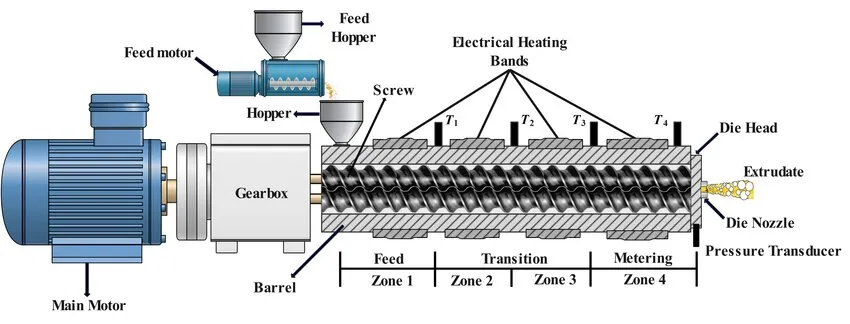
To better understand the working mechanism of twin screw extruders, it is essential to familiarize oneself with their core components. This also helps distributors explain product advantages to end customers and provide basic after-sales guidance:
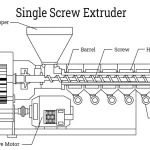
- Screws: The core functional components, typically consisting of a feeding section, compression section, and metering section. The structure and rotation direction of the two screws determine the processing performance of the extruder.
- Barrel: Works with the screws to heat, melt, and extrude materials. Its inner wall is usually equipped with wear-resistant bushings to extend service life.
- Feeding System: Responsible for uniformly conveying raw materials into the barrel, directly affecting the stability of extrusion quality.
- Heating and Cooling Systems: Control the temperature of the barrel and screws to ensure materials remain within the optimal processing temperature range.
- Control System: Enables automatic control of parameters such as screw speed, temperature, and feeding rate, improving operational convenience and processing precision.
Main Types of Twin Screw Extruders
There are multiple classification criteria for twin screw extruders. For distributors, mastering common classification methods and the characteristics of each type of machine enables you to quickly match products to the production needs of end customers. Below are the most widely used classification types in the market, which are also core knowledge points frequently consulted by end customers.
Classification by Screw Intermeshing Method
This is the most common classification method in the industry. Based on whether the two screws intermesh with each other, twin screw extruders are divided into intermeshing twin screw extruders and non-intermeshing twin screw extruders.
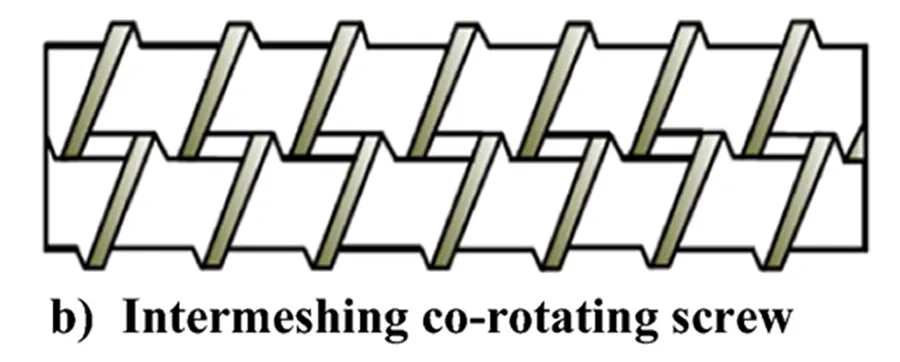
Intermeshing Twin Screw Extruders: The screws mesh closely, and the tooth profiles of the two screws engage with each other during rotation. They can be further divided into co-rotating intermeshing twin screw extruders and counter-rotating intermeshing twin screw extruders based on rotation direction. Due to the strong shearing and kneading forces exerted on materials between the intermeshing screws, these extruders offer excellent mixing performance and high extrusion efficiency. They are the mainstream type in the current market, especially suitable for processing materials that require high mixing uniformity, such as modified plastics and color masterbatches.
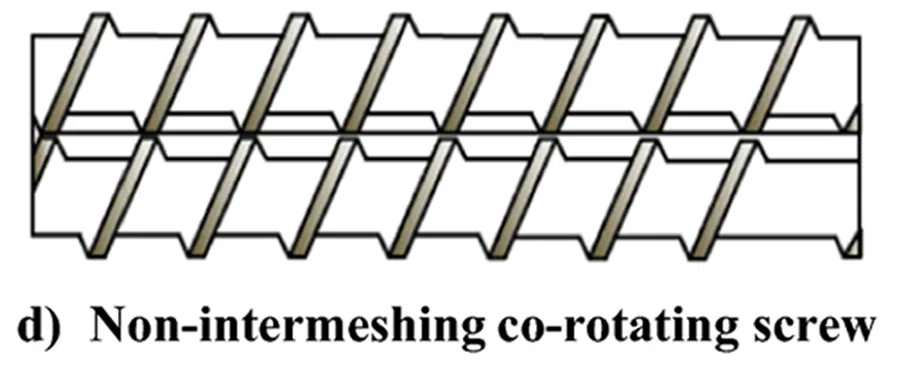
Non-Intermeshing Twin Screw Extruders: There is a certain gap between the two screws, and no intermeshing occurs during rotation. Material conveying mainly relies on friction between the screws and the materials. Compared with intermeshing types, their mixing performance is slightly weaker, but they have the advantage of large conveying capacity. They are often used in simple material processing with low mixing requirements, such as pipe extrusion and profile extrusion.
Classification by Screw Structure
According to the structural form of the screws, twin screw extruders can be divided into parallel twin screw extruders and tapered twin screw extruders. These two types have significant differences in application scenarios and processing characteristics.
Parallel Twin Screw Extruders: The two screws are parallel to each other, with a consistent diameter along their length. They have advantages such as stable structure, convenient processing and maintenance, and uniform mixing. They are widely used in fields requiring high mixing precision, such as modified plastics, color masterbatches, and plastic recycling. Currently, most intermeshing twin screw extruders on the market have a parallel structure.
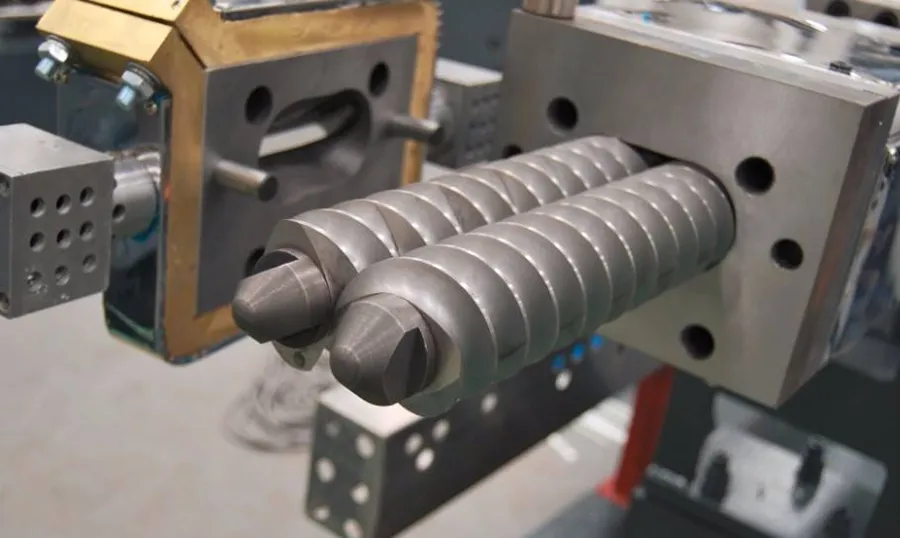
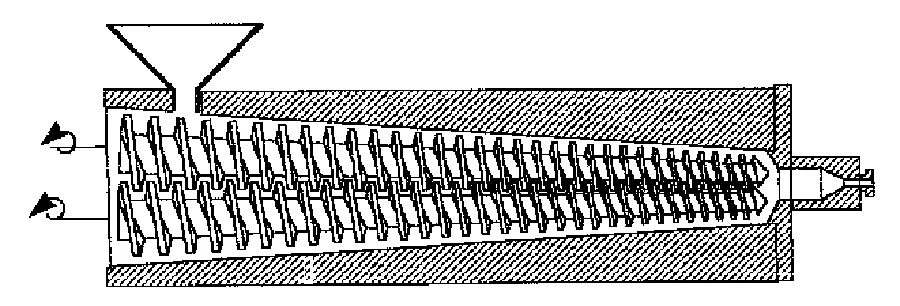
Tapered Twin Screw Extruders: The two screws are tapered, with their diameter gradually increasing from the feeding end to the extrusion end. During rotation, the gap between the screws gradually decreases, generating strong compression on materials. They are particularly suitable for processing temperature-sensitive and easy-to-decompose materials such as PVC, and are often used in the production of PVC products like pipes, profiles, and sheets.
Application Scenarios of Different Types of Twin Screw Extruders
The reason twin screw extruders are classified into different types is primarily to adapt to different material properties and production requirements. For distributors, clarifying the corresponding relationship between types and application scenarios is key to accurately recommending products to end customers and improving the success rate of cooperation. Below is a detailed analysis of the matching between common types and their application scenarios.
Applications of Co-rotating Intermeshing Parallel Twin Screw Extruders
These extruders feature high mixing efficiency, stable extrusion, and broad material adaptability, making them the most widely used type in the industry. Their main application scenarios include:
Modified Plastics Processing: Such as filled modification (e.g., calcium carbonate filling), reinforcement modification (e.g., glass fiber reinforcement), and flame-retardant modification. They are widely used in the production of automotive parts, electronic and electrical components, and other products.
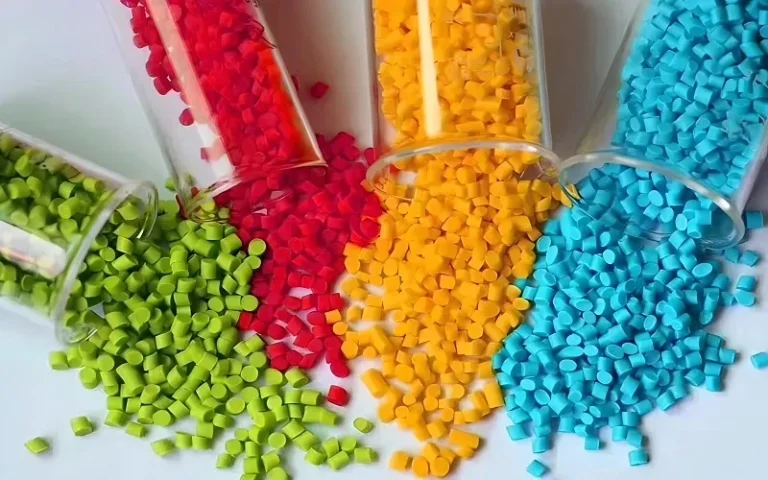
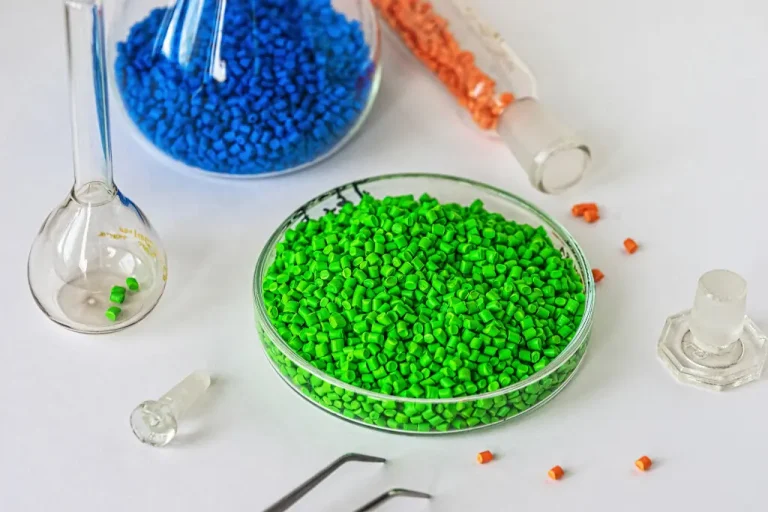
Color Masterbatch Production: Including color masterbatches and functional masterbatches (e.g., antioxidant masterbatches, anti-UV masterbatches), which require uniform dispersion of pigments or functional additives in the resin matrix.
Plastic Recycling: Can process various waste plastics (e.g., PP, PE, ABS, etc.), realizing the recycling and pelletizing of waste plastics through mixing, purification, and extrusion.
Special Material Processing: Such as biodegradable plastics and engineering plastics (e.g., PC, PA), which require precise control of processing temperature and mixing degree.
Applications of Counter-rotating Intermeshing Twin Screw Extruders
These extruders have strong conveying capacity and low shear force, making them suitable for processing shear-sensitive and easy-to-decompose materials. Their main application scenarios include:
Soft PVC Material Processing: Such as PVC hoses and PVC films, which can avoid material decomposition caused by excessive shear force.
High-viscosity Material Extrusion: Materials like rubber and asphalt require strong conveying capacity to ensure continuous extrusion.
Composite Material Production: For example, the extrusion of polymer-based composite materials that require gentle mixing, which can protect the structural integrity of reinforcing fibers.
Applications of Tapered Twin Screw Extruders
As a dedicated type for PVC processing, tapered twin screw extruders have advantages such as strong compressibility, uniform plasticization, and energy efficiency. Their application scenarios are concentrated in the PVC processing field:
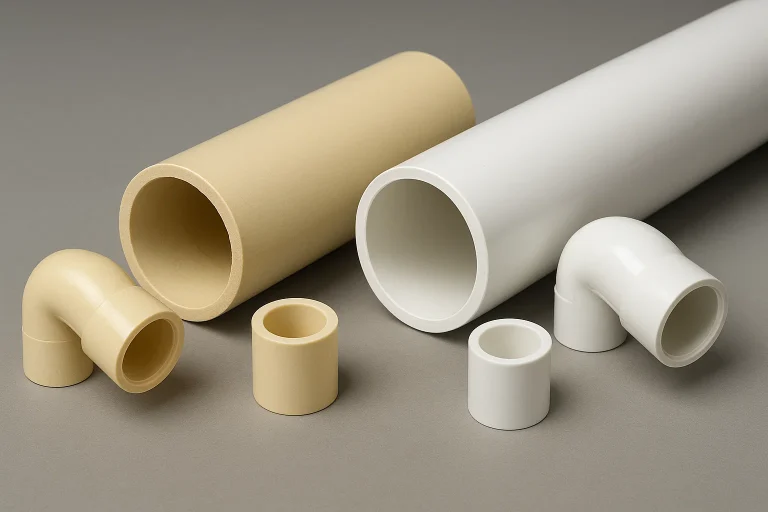
PVC Pipe Production: Such as UPVC water supply pipes, drainage pipes, and power casing pipes—this is the most mainstream application scenario for tapered twin screw extruders.
PVC Profile Production: Including PVC door and window profiles, ceiling profiles, etc., which require high plasticization quality of materials to ensure the strength and surface smoothness of profiles.
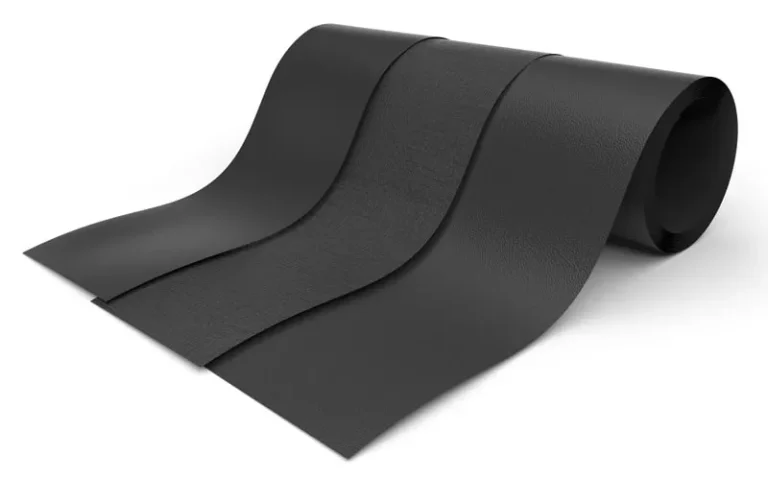
PVC Sheet Production: Such as PVC decorative sheets and advertising sheets, enabling uniform extrusion molding of PVC materials.
Applications of Non-intermeshing Twin Screw Extruders
These extruders have a simple structure and large conveying capacity but average mixing performance, making them suitable for processing materials with low mixing requirements. Their main application scenarios include:
Simple Pipe Extrusion: Such as PE water supply pipes and PP-R pipes, which only require melt molding of materials without complex mixing.
Granular Material Extrusion: For example, simple recycled plastic extrusion pelletizing with low requirements for purity and mixing degree.
Low-cost Profile Production: Such as plastic decorative strips and edge banding strips—these products have low performance requirements, and production costs can be reduced through a simple equipment structure.
Understanding the types, definitions, and application scenarios of twin screw extruders is not only the foundation for distributors to conduct business, but also the key to gaining the trust of end customers. As a professional manufacturer with extensive experience in the R&D and production of twin screw extruders, we can provide you with a full range of product models covering various application scenarios, as well as professional technical support and after-sales service. Whether you are seeking suitable products for the modified plastics market or the PVC processing field, we can customize solutions for you. If you want to learn more about product parameters, quotations, or are interested in becoming our distributor, please feel free to contact us immediately—our professional team will respond to you promptly.