Welcome to ExtruderX Extrusion Machine Manufacturing Facility

Advantages and Applications of Twin Screw Extruder
Amid the global manufacturing transition toward high efficiency, energy conservation, and diversification, twin-screw extruders have emerged as pivotal processing equipment, with widespread applications across core sectors including plastics, food, chemicals, and pharmaceuticals. This article provides a detailed overview of the advantages and application scenarios of twin-screw extruders, aiming to equip readers with a clear and comprehensive understanding of this equipment.
Introduction to Twin-Screw Extruders
What is a Twin-Screw Extruder?
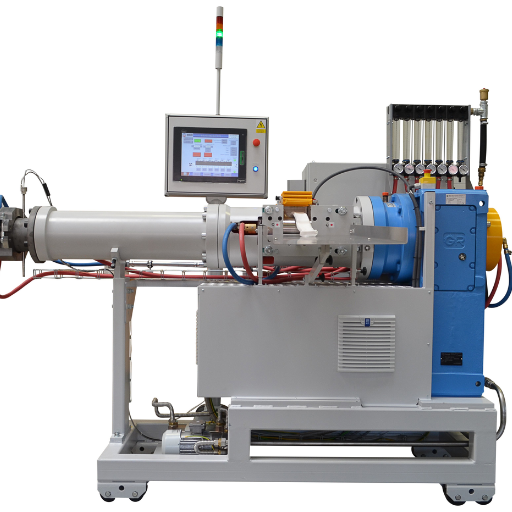
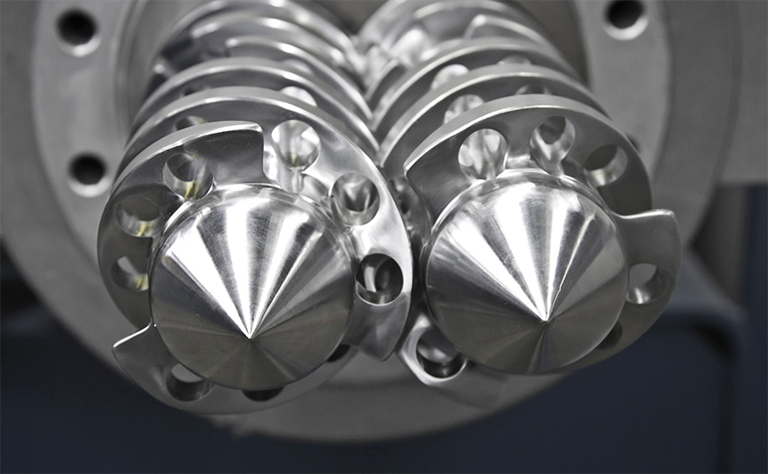
A twin-screw extruder is a mechanical device that achieves a series of processing steps—including material conveying, mixing, plasticization, melting, and extrusion—through the rotation of two intermeshing or non-intermeshing screws within a barrel. Compared to traditional single-screw extruders, its core advantage lies in enhancing shear, mixing, and plasticization effects on materials via the synergistic action of the twin screws. It is suitable for a wider range of material types, particularly meeting high-difficulty processing requirements. Currently, twin-screw extruders have evolved into one of the core equipment in industrial processing. Based on the screw meshing method, they are classified into intermeshing types (co-rotating intermeshing and counter-rotating intermeshing) and non-intermeshing types, with different types adapted to various processing scenarios.
Core Working Principle of Twin-Screw Extruders
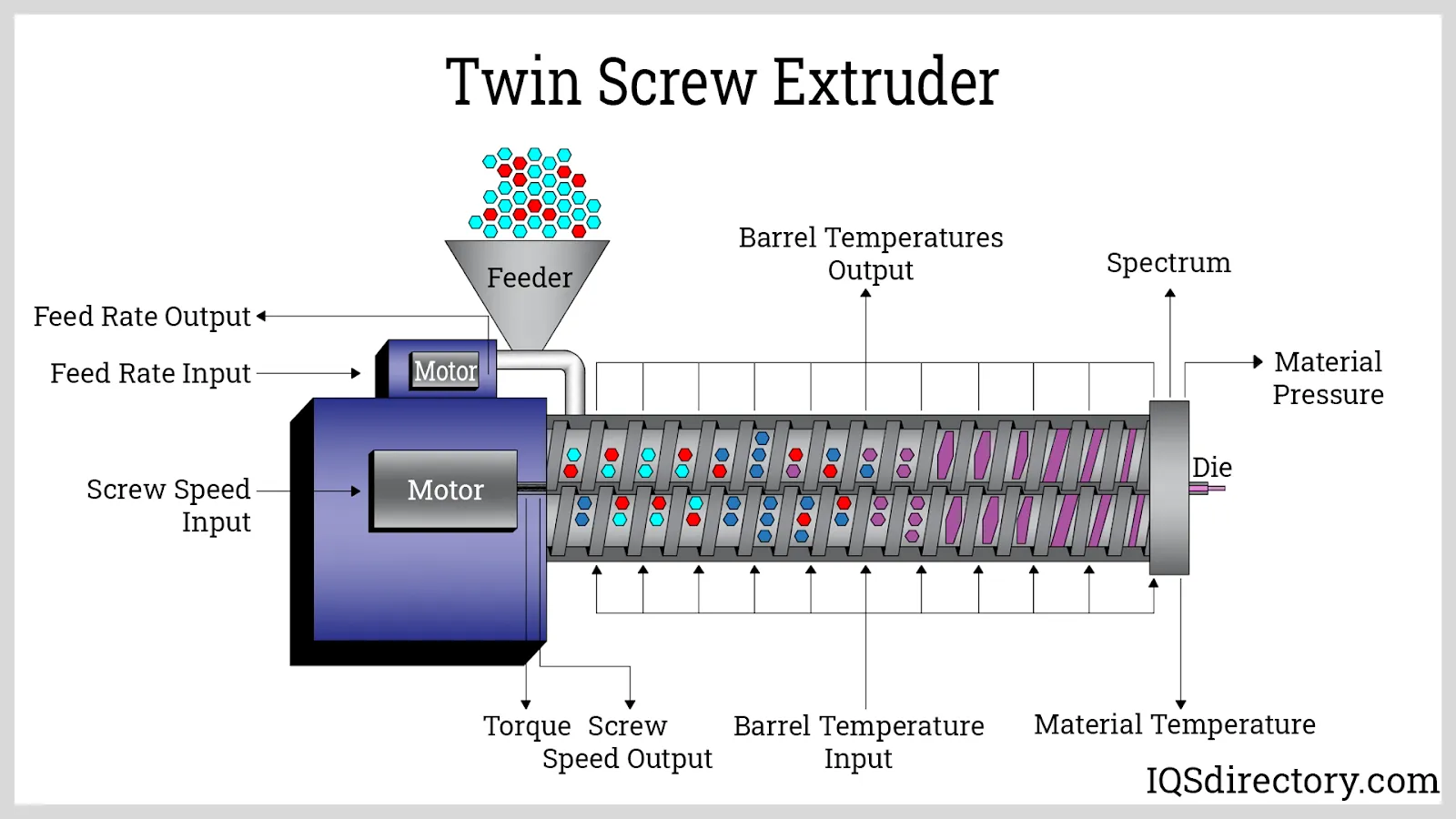
The workflow of a twin-screw extruder mainly consists of four key stages, detailed as follows:
- Feeding Stage: Materials enter the barrel through the feed port and are conveyed to the processing area via the screw grooves;
- Plasticization and Melting Stage: Through the combined action of external heating from the barrel and frictional heat generated by screw shear, materials gradually transition from a solid state to a uniform molten state;
- Mixing and Homogenization Stage: The intermeshing rotation of the twin screws thoroughly stirs and mixes the molten materials, achieving uniform distribution of material components while removing bubbles and impurities from the materials;
- Extrusion Molding Stage: Under the pushing pressure of the screws, the molten materials are extruded and shaped through the die head, forming products of different forms such as pipes, profiles, granules, and films.
The entire process ensures processing quality and efficiency by precisely controlling parameters such as screw speed, barrel temperature, and feeding rate.
Core Advantages of Twin-Screw Extruders
1.High Efficiency & Stability: Boost Production Capacity and Product Consistency
One of the core advantages of twin-screw extruders is their high-efficiency and stable processing capability. On one hand, the synergistic conveying and shearing action of the twin screws ensures shorter and more uniform material residence time in the barrel, avoiding issues such as local overheating or uneven plasticization of materials in single-screw extruders. This effectively improves product consistency, with the defect rate reduced by over 30%. On the other hand, compared to single-screw extruders, twin-screw extruders offer a significant increase in output—production capacity can be enhanced by 30%-50% under the same specifications, making them particularly suitable for large-scale continuous production scenarios. Additionally, the equipment is equipped with a high-precision transmission system and an intelligent control system, enabling long-term continuous operation with low failure rates, further ensuring production stability.
2.Multifunctional Adaptability: Meet Complex Processing Needs Across Industries
Twin-screw extruders boast strong multifunctionality, capable of processing materials in different states (solid, powder, granular, paste) and with different characteristics (high viscosity, high filling, heat-sensitive). Whether for plastic modification, food extrusion, chemical material compounding, or pharmaceutical raw material processing, different product processing requirements can be achieved by adjusting the screw structure, processing parameters, or replacing the die. For example, in plastic processing, it can complete modified treatments such as filling, reinforcement, and flame retardancy; in the food industry, it can realize grain extrusion, pet food molding, etc. This multifunctionality allows the equipment to meet the needs of customers across multiple industries and provides greater space for distributors to expand their customer base.
3.Energy Conservation & Consumption Reduction: Lower Long-Term Operating Costs
As energy conservation and consumption reduction become core demands for enterprises, the energy-saving advantages of twin-screw extruders are particularly prominent. On one hand, the intermeshing rotation of the twin screws results in higher material shearing efficiency, requiring lower external heating power—energy consumption can be reduced by 20%-30% compared to single-screw extruders. On the other hand, the equipment’s precise control capability minimizes material waste; for instance, in plastic processing, raw material utilization rate can be increased by 5%-10%. In the long run, the cost savings from energy conservation and low waste are significant. Taking a production line with an annual capacity of 1,000 tons as an example, it can save hundreds of thousands of yuan in electricity and raw material costs each year.
4.Easy Operation & Low Maintenance: Reduce Labor and Maintenance Costs
Modern twin-screw extruders are generally equipped with intelligent control systems. Operators can achieve functions such as parameter setting, operation monitoring, and fault alarm through a touch screen. The learning curve is gentle, and daily operations can be completed without professional technical personnel, effectively reducing enterprises’ labor costs. Meanwhile, the equipment adopts a modular design, allowing for easy disassembly and assembly of core components such as screws and barrels, minimizing daily cleaning and maintenance workload. Moreover, core components are made of high-strength wear-resistant materials, ensuring a long service life and further reducing maintenance costs and downtime losses.
Main Applications of Twin-Screw Extruders in the Plastic Processing Industry
- Plastic Modification & Filling: Enables highly efficient mixing of plastic raw materials with fillers (such as calcium carbonate and talc powder), reinforcing agents (such as glass fiber), and functional additives (such as flame retardants and antioxidants), precisely enhancing core material properties including strength, rigidity, flame retardancy, and aging resistance. Widely used in the production of automotive lightweight components (e.g., bumpers, instrument panels, door panel frames), flame-retardant modified plastics for electronic and electrical enclosures, and high-strength modified materials for home appliance parts. It helps end-user enterprises achieve product performance upgrades and quality improvement.
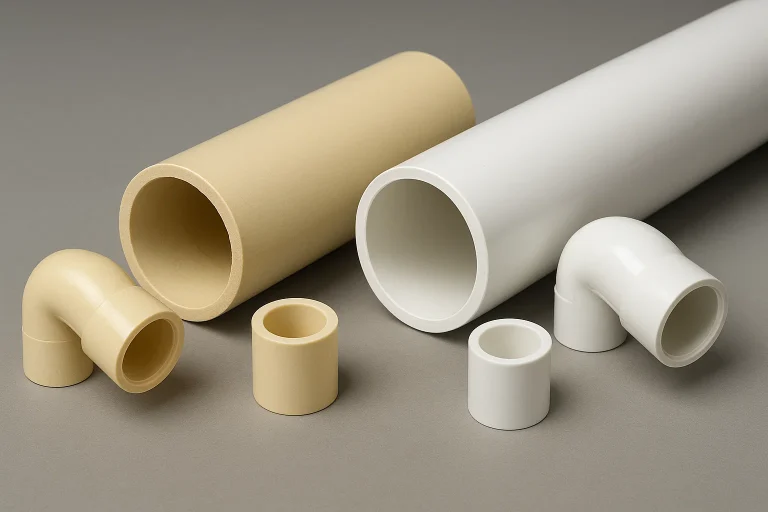
- Pipe & Profile Production: Stabilizes the manufacturing of various specifications of plastic pipes (e.g., PVC drainage pipes, PE water supply pipes, PPR hot water pipes, HDPE gas pipes) and products such as PVC door/window profiles, plastic decorative strips, and thermal insulation profiles for construction. Equipped with stable extrusion pressure and uniform plasticization capacity, the equipment ensures consistent pipe wall thickness, precise dimensions, flat profile surfaces, and strong pressure resistance—perfectly meeting the large-scale, high-standard production needs of municipal pipe network construction, real estate renovation, and construction projects.
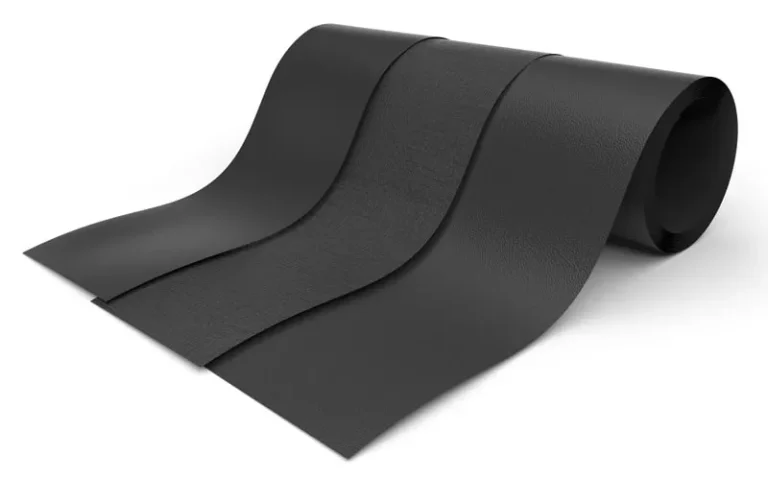
- Film & Sheet Processing: Capable of producing plastic films (e.g., composite films for food packaging, weather-resistant agricultural mulch films, industrial packaging films) and sheets (e.g., thermoforming sheets for food packaging, wood-like sheets for architectural decoration, antistatic sheets for electronic component packaging). Supports multi-layer co-extrusion molding technology, enabling precise lamination of different functional layers to enhance the film’s oxygen and moisture barrier properties, while ensuring sheet thickness uniformity and surface smoothness. It holds significant application value in food packaging, agricultural planting, electronic manufacturing, and other fields.
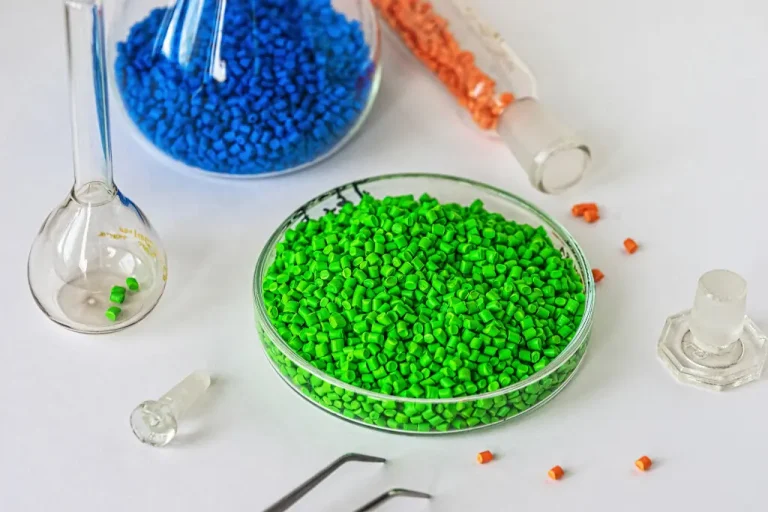
- Recycled Plastic Reutilization: For recycled materials such as waste plastic bottles, plastic films, and discarded plastic products, the equipment can process them into high-quality, stable recycled plastic pellets through efficient shearing, impurity separation, and uniform plasticization. These recycled pellets are widely used in producing plastic turnover baskets, trash cans, construction spacers, and low-value-added plastic products. This not only complies with global environmental policies but also helps enterprises reduce raw material procurement costs, contributing to the development of a circular economy.
Non-Plastic Applications of Twin-Screw Extruders: Food, Chemical, and Pharmaceutical Industries
- Food Industry Applications: Primarily used for grain extrusion processing, capable of producing snack foods such as potato chips, rice cakes, and corn crisps. Precise control of temperature and pressure ensures the products’ crispy texture and consistent flavor. Meanwhile, it enables large-scale molding of pet food—mixing raw materials like meat powder, grain powder, vitamins, and minerals, then extruding them into nutritionally balanced granular pet food with simultaneous sterilization and maturation. The equipment is made of food-grade stainless steel with no hard-to-clean dead corners, fully complying with food industry hygiene standards. It can also be adapted for auxiliary scenarios such as food raw material pregelatinization and seasoning powder processing.
- Chemical Industry Applications: Suitable for the entire process of rubber compounding, plasticization, and extrusion molding, it improves the density uniformity and mechanical properties of rubber products, widely used in the production of automotive tires, seals, and other rubber products. It can participate in the raw material dispersion and modification of coatings and adhesives, enhancing product adhesion and stability. It excels in composite material preparation, enabling uniform compounding of carbon fiber, glass fiber, and resin. The reinforced composite materials produced can be applied in high-end fields such as aerospace components, new energy vehicle body structures, and high-end medical device enclosures.
- Pharmaceutical Industry Applications: Focuses on the precise processing of pharmaceutical formulations. It can prepare solid dispersions, uniformly dispersing poorly soluble drugs in carrier materials to significantly improve drug dissolution rate and bioavailability, facilitating the clinical application of poorly soluble drugs. It can produce sustained-release and controlled-release formulations—precisely controlling drug release rate by adjusting processing parameters, extending the duration of drug efficacy, and reducing the frequency of patient medication. The equipment strictly adheres to GMP pharmaceutical standards, with material-contacting components featuring no residue and easy cleaning, effectively avoiding cross-contamination of drugs and ensuring the safety of pharmaceutical production.
How the Advantages of Twin-Screw Extruders Help Enterprises Reduce Costs
1.Boost Production Capacity: Spread Unit Production Costs
The high-capacity advantage of twin-screw extruders directly helps enterprises spread unit production costs. Compared to single-screw extruders, twin-screw extruders deliver higher output within the same time frame, while fixed costs such as energy consumption and labor do not increase proportionally with output. Consequently, the fixed cost per unit product can be reduced by 30%-50%. For example, after adopting twin-screw extruders, a plastic modification enterprise increased its production capacity from 2 tons per day to 3.5 tons per day, and the total unit product costs (including electricity, equipment depreciation, and labor) decreased by 25%, significantly enhancing the enterprise’s profitability.
2.Reduce Raw Material Waste: Cut Waste Costs
The precise plasticization and mixing capabilities of twin-screw extruders effectively minimize raw material waste. During processing, materials achieve high plasticization uniformity, eliminating scrap caused by inadequate plasticization. Additionally, the equipment’s excellent sealing performance reduces material leakage and waste during conveying and processing. For instance, a plastic pipe manufacturer reduced its raw material loss rate from 8% to 3% after switching to twin-screw extruders. Based on an annual raw material consumption of 1,000 tons and a raw material unit price of 8,000 yuan per ton, the enterprise saves 400,000 yuan in raw material costs annually.
3.Energy Conservation & Consumption Reduction: Lower Energy Expenses
As mentioned earlier, twin-screw extruders offer significant energy-saving advantages, effectively reducing enterprises’ energy expenditures. On one hand, the strong shearing action of the twin screws allows materials to achieve partial plasticization through frictional heat alone, reducing energy consumption for external heating. On the other hand, the equipment’s motors adopt frequency conversion control, enabling speed adjustment based on production demand to avoid unnecessary energy consumption. Statistics show that a twin-screw extruder with a daily capacity of 5 tons can save 150,000-200,000 yuan in electricity costs annually compared to a single-screw extruder of the same specification.
4.Reduce Downtime & Maintenance Costs: Ensure Continuous Production
The stable operation capability and user-friendly maintenance design of twin-screw extruders reduce enterprises’ downtime and maintenance costs. The equipment’s core components have a long service life and low failure rate, enabling long-term continuous operation and avoiding production interruptions caused by equipment malfunctions. Meanwhile, the modular design simplifies maintenance processes, requiring less maintenance time and lower costs. For example, a chemical enterprise reduced its annual equipment downtime for maintenance from 15 days to 5 days after adopting twin-screw extruders, avoiding losses from order delays and reducing maintenance costs by 40%.