Welcome to ExtruderX Extrusion Machine Manufacturing Facility

Complete Guide to Thermoplastic Rubber (TPR)
Thermoplastic Rubber (TPR) is a category of polymer materials that combines the elasticity of rubber with the processability of plastics. Thanks to the advantages of reprocessability and customizable performance it has become an ideal alternative to traditional rubber. Understanding TPR helps optimize product material selection and reduce production costs. This article breaks down the core knowledge and practical tips of TPR from the perspectives of definition applications and comparative analysis.
What Is Thermoplastic Rubber (TPR)
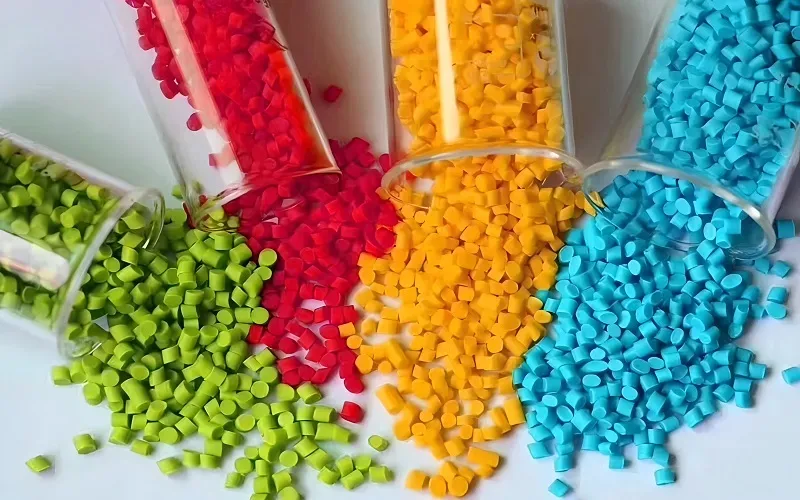
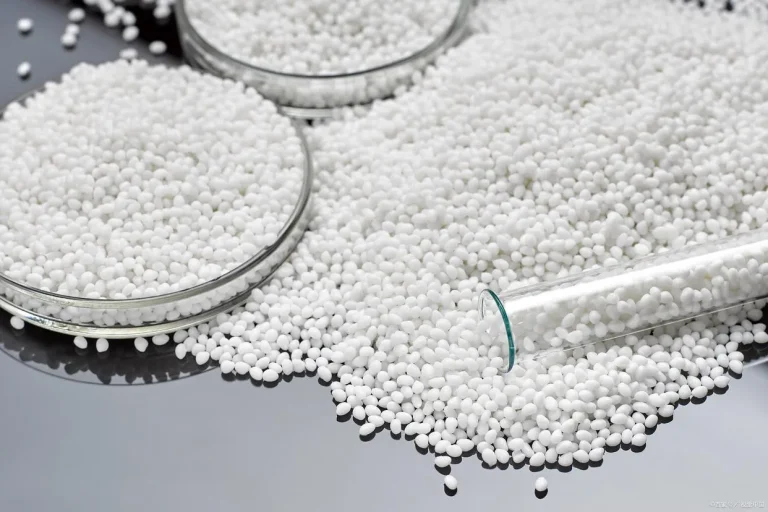
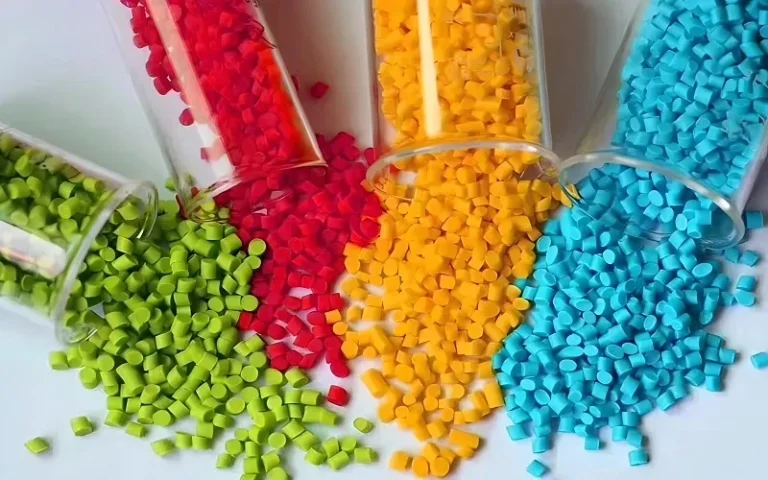
Thermoplastic Rubber (TPR) is an elastomer material that can be processed and molded without vulcanization. It is a blend or block copolymer composed of a rubber phase and a plastic phase. It breaks the limitation of traditional rubber that cannot be reprocessed after vulcanization molding. It not only has the high elasticity flex resistance and wear resistance of rubber but also possesses the thermoplasticity of plastics. It can be produced via conventional plastic processing equipment such as injection molding extrusion and blow molding resulting in higher processing efficiency. Waste materials can also be recycled and reused significantly reducing production losses.
From a structural perspective the rubber phase of TPR provides elasticity while the plastic phase plays a role in physical crosslinking. When heated the plastic phase softens and melts for easy processing when cooled the plastic phase hardens again to maintain the stable shape of the finished product. This unique structure allows the performance of TPR to be flexibly customized by adjusting the ratio of the rubber phase to the plastic phase meeting the needs of different scenarios.
Industrial Applications of Thermoplastic Rubber (TPR)
Thermoplastic Rubber (TPR) covers a wide range of industries with its excellent comprehensive performance and flexible processability making it a key material in automotive electronics medical and other sectors.
1.Automotive Industry
In the automotive sector TPR is mainly used to manufacture components such as sealing strips non slip pedals steering wheel covers and shock absorbing pads. It has outstanding weather resistance aging resistance and shock absorption and noise reduction capabilities. It can adapt to high and low temperature changes and bumpy environments during vehicle operation. Meanwhile it can be directly injection molded simplifying the production process and improving the assembly efficiency of components.
2.Electronics and Electrical Appliance Industry
TPR is a commonly used material for electronic and electrical products. It can be used to produce data cable sheaths headphone earmuffs remote control buttons sealing strips for electrical casings and more. Its good insulation slip resistance and comfortable hand feel can not only protect internal components from external environmental erosion but also enhance the user’s grip experience. Some TPR materials with high flame retardant ratings can also be used to manufacture flame retardant components for electrical appliances meeting safety compliance requirements.
3.Medical and Healthcare Field
TPR materials that meet biocompatibility standards can be used to produce medical catheters infusion stopper medical gloves rehabilitation equipment accessories and other products. This type of TPR is non toxic and odorless free of harmful substances such as phthalates. It also has good flexibility and sterilization resistance and can withstand sterilization methods such as high temperature steam and ethylene oxide ensuring the safety of medical supplies.
4.Daily Necessities and Consumer Products
TPR has a wider range of applications in daily necessities such as shoe soles non slip covers for toothbrush handles children’s toys and kitchen non slip mats. It has moderate softness and comfortable touch as well as certain wear resistance and stain resistance. Especially TPR used for children’s toys has passed strict safety tests which can avoid health risks when children bite them.
Comparative Analysis of Thermoplastic Rubber (TPR) vs Traditional Rubber and Plastics
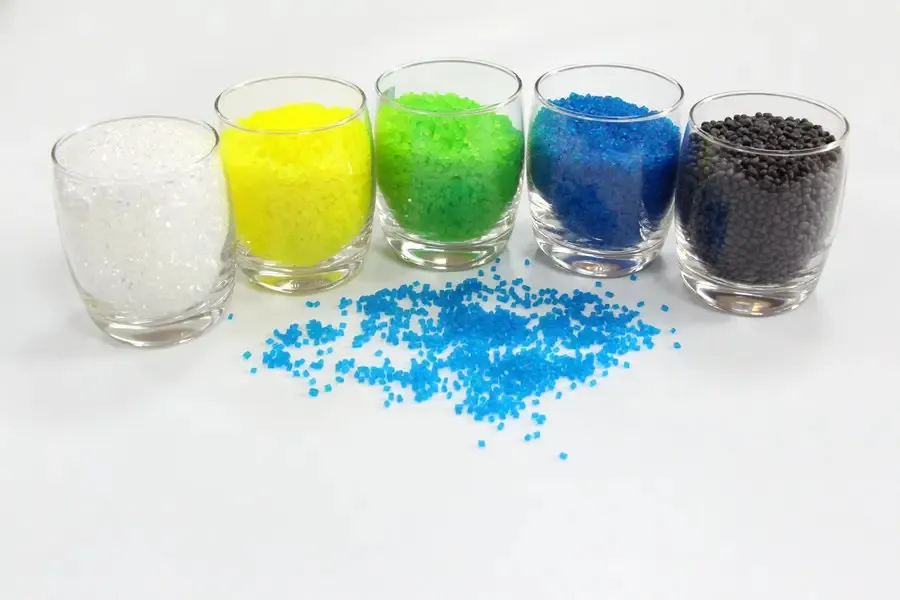
Thermoplastic Rubber (TPR) shows significant differences from traditional rubber and plastics in terms of structure performance and processing methods. The core differences between the three are as follows:
Processing Characteristics Differences
Traditional rubber such as natural rubber and styrene butadiene rubber requires vulcanization reaction for molding. It cannot be reprocessed after molding and waste materials can only be discarded. Plastics such as PP and PE can be processed via thermoplastic methods but have poor elasticity and are difficult to restore their original shape after deformation. In contrast TPR does not require vulcanization and allows thermoplastic processing. Waste materials can be 100% recycled and reused. Its processing flexibility is far superior to traditional rubber and its elasticity is better than that of ordinary plastics.
Performance Differences
Traditional rubber has excellent elasticity and wear resistance but poor oil resistance and chemical resistance and tends to harden at low temperatures. Ordinary plastics have high hardness and good chemical resistance but insufficient elasticity and weak impact resistance. TPR combines the advantages of both materials. It not only has the high elasticity and impact resistance of rubber but also possesses the oil resistance and chemical resistance of plastics. It remains soft at low temperatures and is not prone to brittle fracture.
Cost and Environmental Protection Differences
The vulcanization process of traditional rubber is complex with a long production cycle and high labor and equipment costs. Some plastics such as PVC are low cost but have poor environmental friendliness and are difficult to recycle. TPR features a simple processing process and short production cycle which can reduce processing costs. Most TPR materials are degradable or recyclable complying with environmental compliance standards such as EU REACH and US FDA thus having a wider range of applications.
Key Factors Affecting the Performance of Thermoplastic Rubber (TPR)
The final performance of TPR is not fixed but affected by various factors such as raw material ratio processing technology and environmental conditions. Mastering these factors allows precise regulation of material performance to meet the requirements of different products.
Raw Material Ratio and Matrix Type
The matrix materials of TPR such as SBS SEBS and TPEE directly determine its core performance. For example SBS based TPR has good elasticity and low cost suitable for daily necessities. SEBS based TPR has excellent weather resistance and aging resistance suitable for outdoor and medical products. TPEE based TPR has high temperature resistance and fatigue resistance suitable for automotive components. Meanwhile the ratio of rubber phase to plastic phase also affects performance. The higher the proportion of rubber phase the better the elasticity; the higher the proportion of plastic phase the stronger the hardness and rigidity.
Processing Technology Parameters
Processing parameters such as processing temperature screw speed and cooling rate have a significant impact on the performance of TPR products. Excessively high processing temperature will cause material decomposition reducing the mechanical properties of products. Excessively low temperature will result in insufficient melting of materials leading to defects such as bubbles and material shortage in products. Excessively fast screw speed will generate excessive shear force damaging the molecular chain structure. Excessively slow speed will cause uneven mixing of materials resulting in unstable performance. A reasonable cooling rate can ensure the stable shape of products and avoid deformation caused by uneven shrinkage.
Environmental Service Conditions
The service environment of TPR products also affects their performance and service life. Long term exposure to high temperature high humidity strong ultraviolet radiation or corrosive medium environments will accelerate material aging reducing elasticity and wear resistance. Therefore TPR products used outdoors need to be added with ultraviolet stabilizers and antioxidants. Products in contact with chemicals should be made of matrix materials with strong chemical resistance.
Advantages of TPR in Different Industries
TPR can replace traditional materials in multiple industries and its core lies in its targeted performance advantages. The advantages in different industries are as follows:
Automotive Industry: Excellent weather resistance withstanding temperature variations from 40°C to 120°C and not prone to aging or cracking during long term use. Outstanding shock absorption and noise reduction performance improving driving comfort of vehicles. High processing efficiency enabling integrated injection molding of complex components and reducing assembly costs.
Electronics Industry: Excellent insulation performance effectively protecting electrical components. Soft and slip resistant texture enhancing user experience. Customizable flame retardant ratings meeting safety standards for electrical products with recyclable waste materials complying with environmental requirements.
Medical Industry: Good biocompatibility non toxic and odorless without irritating human skin or tissues. Strong sterilization resistance withstanding various sterilization methods and maintaining stable performance even after repeated use. High processing precision capable of producing precision components such as medical catheters with accurate dimensions.
Daily Necessities Industry: Controllable costs and high cost effectiveness. Comfortable texture soft and gentle on hands. Flexible color matching meeting diverse appearance needs and complying with safety testing standards for children’s products.
Frequently Asked Questions (FAQs)
Q: What is the temperature resistance range of TPR?
A: The temperature resistance range of TPR depends on its matrix material. Regular SBS based TPR can withstand temperatures from approximately -50°C to 80°C. SEBS based TPR can reach a range of -60°C to 120°C. TPEE based TPR has stronger high temperature resistance and can be used for long periods in environments ranging from -40°C to 150°C. You can select the appropriate type based on the application scenario.
Q: Is TPR material environmentally friendly and does it meet international standards?
A: High quality TPR materials do not contain harmful substances such as phthalates and heavy metals. They can pass certifications such as EU REACH EU ROHS and US FDA. They are suitable for food contact and medical fields. Some varieties also have biodegradable properties resulting in minimal environmental impact after disposal.
Q: Are TPR and TPE the same material?
A: TPR is a branch of TPE which is the general term for thermoplastic elastomers. TPE includes multiple categories such as TPR TPU and TPEE. TPR specifically refers to elastomer materials with SBS or SEBS as the matrix. Its elasticity is closer to that of traditional rubber. The two have an inclusion relationship.
Q: What causes deformation or cracking of TPR products?
A: There are three main causes. First improper processing technology such as excessively high temperature leading to material decomposition or uneven cooling causing shrinkage deformation. Second unreasonable raw material ratio such as an excessively high proportion of plastic phase resulting in insufficient toughness. Third the service environment exceeding the tolerance range such as long term exposure to high temperatures or ultraviolet radiation accelerating aging. You can optimize the process or select materials in a targeted manner.
Q: Can TPR waste be directly recycled and reused?
A: Yes it can. TPR has thermoplasticity. The leftover materials and defective products generated during production do not require special treatment. They can be directly crushed and mixed with new materials for use. The mixing ratio is generally 10% to 30% which will not significantly reduce the performance of the final products. This method can effectively reduce production costs and minimize resource waste.