Welcome to ExtruderX Extrusion Machine Manufacturing Facility

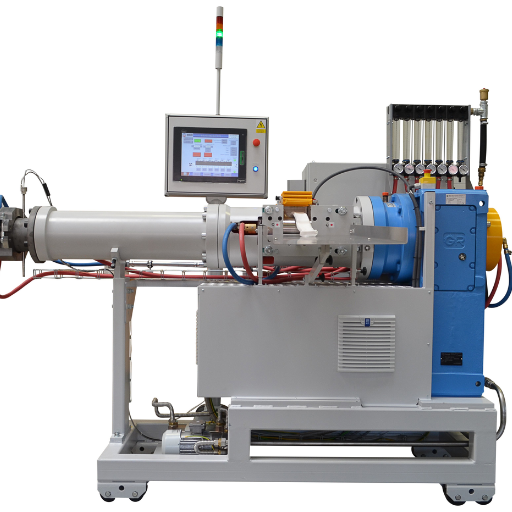
Comprehensive Guide to Silicone Extruder Machines
The Silicone Extruder is a core piece of equipment in the rubber and silicone processing industry. Through the continuous extrusion process, it transforms silicone raw materials into various shaped products such as tubing seals and sheets. It is widely used in multiple mainstream overseas industrial sectors including automotive medical and electronics industries. Understanding the basic knowledge working mechanism core components and application scenarios of the Silicone Extruder can help practitioners select equipment accurately optimize operational processes reduce production failures and improve production capacity as well as product qualification rates. This article will systematically break down the key knowledge of the Silicone Extruder from the dimensions of definition principle components applications selection and common issues providing practical references for overseas users.
What is a Silicone Extruder
A Silicone Extruder is a specialized molding device designed for the unique properties of silicone raw materials. Its core function is to plasticize and melt solid silicone raw materials under controlled temperature pressure and rotational speed then extrude them through specific molds into continuous products of preset shapes while ensuring product dimensional accuracy and performance stability. Based on screw quantity extrusion method and application scenarios silicone extruders can be divided into multiple types to meet different production requirements.
Main Classifications of Silicone Extruders
- Classification by screw quantity Silicone extruders can be categorized into Single Screw Silicone Extruders and Twin Screw Silicone Extruders. Single screw models feature a simple structure and low cost making them suitable for the production of regular silicone products in small and medium batch production scenarios. Twin screw models deliver superior mixing and plasticizing effects with higher precision in rotational speed and pressure control. They are ideal for processing high performance high precision silicone products and composite raw materials and have become the mainstream selection in overseas industrial sectors.
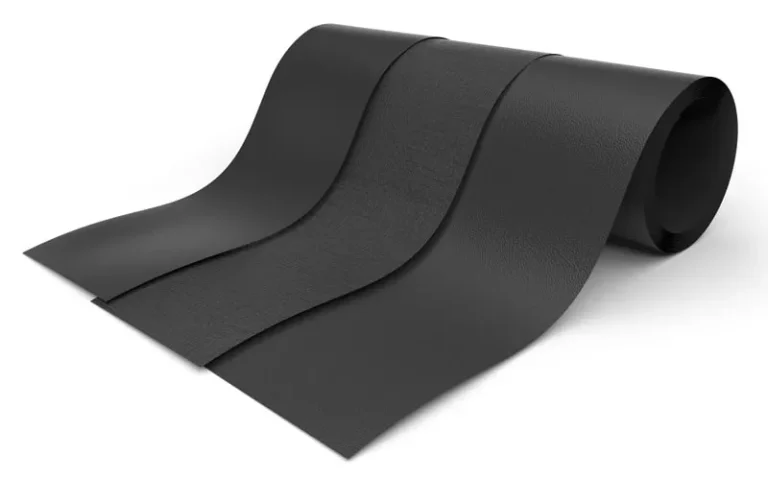
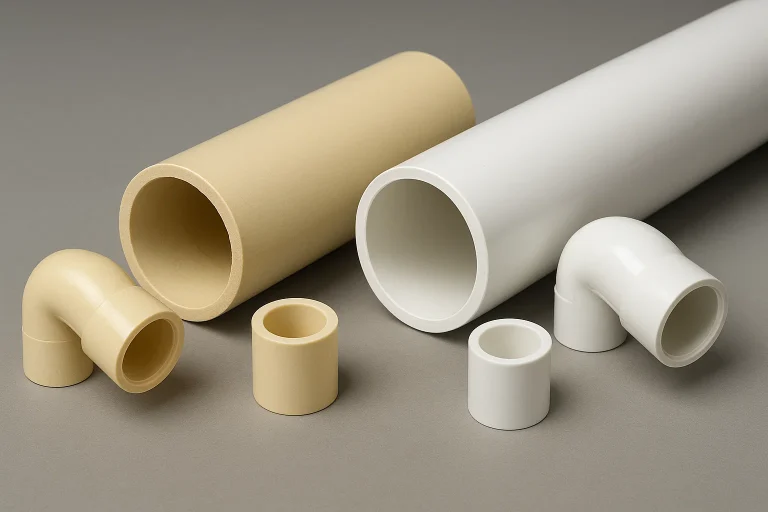
- Classification by extrusion purpose Silicone extruders can be divided into Tube Silicone Extruders Sealing Strip Silicone Extruders Sheet Silicone Extruders and other types based on molding requirements. Each model has undergone targeted structural and parameter optimization to precisely meet the molding needs of different finished products.
Working Principle of Silicone Extruder
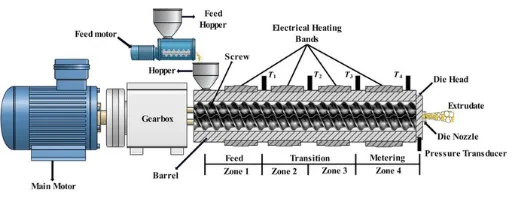
The core operation of a silicone extruder is a closed loop process of continuous plasticization extrusion shaping. It follows four key steps overall: material conveying melting and plasticization pressure building and molding extrusion. Through the coordinated operation of various components the conversion from raw materials to finished products is achieved. The process is efficient and controllable making it suitable for large scale continuous production.
Breakdown of the Core Working Process
The entire process can be divided into the following four key stages in sequence. The coordination of each stage ensures stable extrusion results:
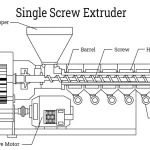
Raw Material Conveying and Preliminary Processing: Pre treated silicone raw materials enter the barrel through the feed inlet. The screw rotates under the drive of the motor to realize uniform forward conveying of the raw materials laying the foundation for subsequent plasticization.
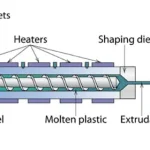
Melting and Plasticization to Form Melt: The barrel is precisely heated by the temperature control system. Combined with the shearing and compression effects of the screw the solid silicone raw materials gradually soften and melt eventually forming a uniformly plasticized melt.
Pressure Building and Preliminary Molding: The screw continuously pushes the melt to build stable pressure at the end of the barrel forcing the melt to pass through the die head mold of preset shape and initially shaping the product contour that meets the requirements.
Subsequent Shaping and Finished Product Output: The initially molded products are processed through subsequent procedures such as cooling and shaping traction and cutting. Finally silicone finished products that meet the standards in both dimensions and performance are obtained.
It is important to note that temperature screw speed and pressure are the key parameters of the entire working process. They directly affect the processing effect of each step and require precise regulation and control.
Main Components of Silicone Extruder
The stable operation of a silicone extruder relies on the coordinated collaboration of its core components. Each component undertakes a specific function, and its quality and performance directly determine extrusion efficiency product precision and equipment service life. Overseas users need to focus on the compatibility of each component during equipment selection and maintenance.
Key Components and Their Function Descriptions
Screw: It is the core transmission and plasticizing component, mostly made of wear resistant alloy steel. In twin screw models the two screws rotate in mesh to achieve raw material mixing and conveying. Its pitch and length to diameter ratio need to be matched according to the characteristics of silicone raw materials directly affecting the plasticizing effect.
Barrel: It cooperates with the screw to realize raw material plasticization and is equipped with a sectional temperature control system that can precisely adjust the temperature of each zone. This prevents silicone raw materials from thermal degradation due to overheating or insufficient plasticization. It is usually made of high temperature resistant and corrosion resistant materials.
Die Head and Mold: These are the key components for molding. The die head is responsible for guiding the plasticized melt into the mold. The shape of the mold determines the contour of the finished product and it needs to be designed according to the dimensional accuracy requirements of the product. Removable molds are widely adopted in overseas production for easy replacement and cleaning.
Temperature Control System: Composed of heaters cooling devices and temperature control instruments it can monitor and adjust the temperature of the barrel and die head in real time. It ensures that the silicone melt is extruded within the appropriate temperature range making it a core system for guaranteeing stable product performance.
Traction and Cutting Device: The traction device drives the extruded products to move forward at a constant speed ensuring the straightness and dimensional uniformity of the products. The cutting device automatically cuts the products according to the preset length meeting the requirements of finished products of different specifications.
Industrial Application Scenarios of Silicone Extruders
Thanks to the excellent properties of silicone products such as high temperature resistance aging resistance and outstanding sealing performance silicone extruders are widely used in multiple overseas industrial sectors covering mainstream industries like automotive medical electronics and construction. Different application scenarios have varying requirements for the performance and precision of extruded products.
Application Details in Mainstream Industries
Automotive Industry: It is the core application field for silicone extruded products. Silicone extruders are mainly used to produce automotive door and window sealing strips high temperature resistant engine gaskets cooling system pipelines and other components. These products are required to have strong sealing capabilities high and low temperature resistance and anti aging performance. Twin screw silicone extruders can meet the high precision production needs of this industry.
Medical Industry: Silicone extruders are applied to manufacture products such as medical silicone catheters drainage tubes and seals. These products must comply with medical grade hygiene standards. The silicone extruders need to adopt plasticizing processes that are odor free and pollution free while ensuring the dimensional accuracy and biocompatibility of the finished products.
Electronics Industry: This industry has demands for sealing and insulation of electronic components. Silicone extruders are used to produce silicone insulating sleeves wire harness seals silicone key covers and other items. These products are required to have excellent insulation performance and dimensional stability which can be achieved through precise temperature and pressure control during the extrusion process.
Construction Industry: Silicone extruders are utilized to produce construction sealing strips waterproof membranes door and window sealing strips and more. These products need to withstand outdoor high and low temperatures and ultraviolet radiation. Silicone extruders can improve the weather resistance of the finished products by optimizing raw material formulas and extrusion parameters.
Core Factors for Selecting a Suitable Silicone Extruder
When selecting a silicone extruder overseas users need to conduct a comprehensive evaluation based on their own production requirements raw material characteristics product standards and cost budgets. This avoids low production efficiency substandard products or rapid equipment wear caused by improper selection. The focus should be on the following key factors.
Core Selection Dimensions
Product Requirements and Production Capacity: Determine the machine model based on the finished product type such as tubing or sealing strips dimensional accuracy and daily production capacity. Single screw models are suitable for small batch regular products while twin screw silicone extruders are preferred for large batch high precision products. At the same time confirm the equipment’s extrusion speed and compatible mold specifications.
Raw Material Compatibility: Different silicone raw materials such as solid silicone liquid silicone and addition cure silicone have different plasticization requirements. It is necessary to match the corresponding screw length to diameter ratio temperature control range and feeding structure. For example addition cure silicone needs to avoid thermal degradation so models with precise temperature control should be selected.
Accuracy and Automation Level: For industries with high dimensional accuracy requirements such as medical and electronics select models equipped with sectional temperature control variable frequency speed regulation and automatic pressure monitoring functions. Overseas factories pursuing production efficiency can be equipped with automated traction cutting and testing equipment to improve assembly line operation capabilities.
Cost and After Sales Support: Conduct a comprehensive assessment of equipment purchase costs energy consumption and maintenance costs. Meanwhile pay attention to the supplier’s overseas after sales service capabilities such as whether they provide installation and commissioning spare parts supply and technical support to avoid inconvenience in subsequent maintenance.